


Bottom Fishing Versus Trolling for South Florida
A calm morning off Boynton Beach can turn into two completely different fishing trips depending on one decision: do you set up over structure and fish the bottom, or put the boat in gear and troll the blue water? Bottom fishing versus trolling is not simply a choice between slow and fast fishing. It determines the species you target, the tackle you use, how the crew fishes, and what kind of action your group is likely to see.
Both methods produce great catches in South Florida. The Gulf Stream runs close to shore, our reef lines hold bait and predators, and conditions can change quickly from one mile to the next. The right approach comes down to the day’s weather, water conditions, season, and what you want to catch.
Bottom Fishing Versus Trolling: The Main Difference
Bottom fishing means positioning the boat over a productive reef, wreck, ledge, or hard-bottom area and presenting bait close to the seafloor. The goal is to keep a bait in the strike zone for fish that live, feed, or travel near structure. In our area, that can mean yellowtail snapper, mutton snapper, mangrove snapper, grouper, triggerfish, porgies, and plenty of other reef species.
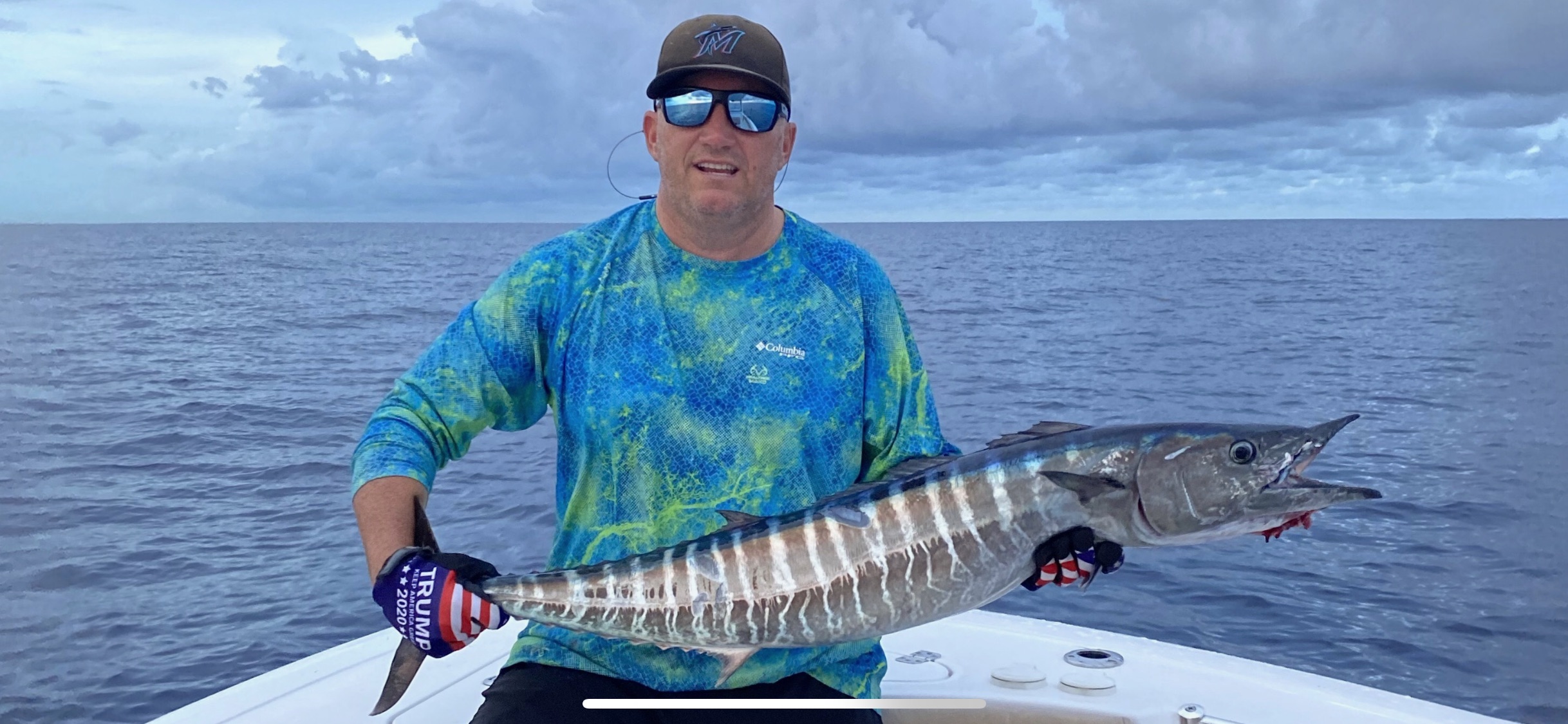
Trolling means pulling natural baits, lures, or a combination of both behind a moving boat. Instead of waiting over one piece of structure, the boat covers ground and searches for actively feeding pelagic fish. Sailfish, mahi-mahi, wahoo, blackfin tuna, kingfish, and bonito are common trolling targets off Palm Beach County.
The simplest way to think about it is this: bottom fishing works a specific spot thoroughly, while trolling searches a much larger area for fish moving through open water.
When Bottom Fishing Is the Better Call
Bottom fishing is hard to beat when the goal is bringing home quality table fare. South Florida’s natural reefs and ledges can hold fish year-round, and a captain who knows the local numbers, current direction, and bottom contour can put baits where the fish are feeding.
This style of fishing is especially popular with families, first-time anglers, and groups that want steady hands-on action. Once the boat is positioned, everyone can have a rod in hand. There is something satisfying about feeling a snapper tap a bait, setting the hook, and working a fish away from the rocks before it finds a place to break the line.
Bottom fishing also makes sense when offshore conditions are a little rougher. You still need safe, manageable weather, but you may not need to run as far offshore as you would while searching for mahi or tuna. Productive reef fishing can be available relatively close to Boynton Beach, which makes it a strong choice for half-day trips.
What Makes Bottom Fishing Challenging
Bottom fishing is not always easy just because the boat is stopped. Current is a major factor. Too little current can make fish less willing to bite, while too much current can sweep baits away from the bottom or require heavier sinkers that feel less natural. The captain may reposition the boat repeatedly to keep lines over the right part of a reef or wreck.
It also requires quick reactions. Grouper, snapper, and jacks know every sharp ledge and piece of structure below. After the bite, anglers need to keep pressure on the fish and gain line immediately. That is part of the fun, but it can surprise someone who expects every fish to run in open water.
When Trolling Is the Better Call
Trolling is the go-to method when you want to hunt South Florida’s fast-moving offshore game fish. It is an active, visual style of fishing. The crew watches the spread, scans for birds, flying fish, weed lines, current edges, and color changes, and stays ready for a reel to start screaming.
Mahi-mahi often gather around floating debris and weed lines, particularly when conditions bring clean blue water close to shore. Sailfish follow bait along current breaks, and kingfish can strike around reef edges and bait schools. Wahoo and tuna may show up without warning, turning a quiet troll into a full-speed battle in seconds.
Trolling works especially well for groups chasing a memorable big-fish moment. A sailfish jumping on the horizon or a mahi lighting up bright green and gold behind the boat gives everyone a front-row seat. It is also a smart choice for anglers who want to cover water efficiently rather than commit the entire trip to one reef system.
What Trolling Demands
The trade-off is that trolling can involve more waiting between bites. You may cover several miles before locating the right conditions or a school of feeding fish. When the bite is on, the action can be nonstop. When fish are scattered, patience and local knowledge matter.
Trolling also calls for teamwork. One person may be fighting a fish while others clear lines, move rods, and follow the captain’s instructions. Beginners can absolutely enjoy it, but the crew needs to listen and move with purpose when a fish hits. Good equipment, properly set drags, fresh leaders, and a clean trolling spread make a real difference.
Species Should Drive the Decision
If snapper and grouper are at the top of your wish list, bottom fishing should be the starting point. These fish relate to structure, and the best plan is often to fish specific reefs, wrecks, or ledges with the right bait presentation. Depending on the conditions and regulations, the day may also produce jacks, cobia, amberjack, or other reef visitors.
If your group is hoping for sailfish, mahi-mahi, wahoo, tuna, or kingfish, trolling is usually the better primary strategy. These species roam, follow bait, and respond to a moving presentation. The captain may troll close to the reef, work offshore current lines, or change the spread based on what is showing on the water that day.
There is plenty of overlap. Kingfish can be caught trolling and on live bait near the reef. Tuna can show up behind a trolling spread or take a bait when conditions line up. A good offshore trip does not have to lock into one technique before the boat leaves the dock.
Why a Mixed Approach Often Produces the Best Day
For many private charters, the best answer is not bottom fishing or trolling. It is both. A full-day or three-quarter-day trip gives more room to adjust the plan based on the bite. The crew might troll early while baitfish and pelagic predators are active, then move to bottom fishing when the conditions point toward a productive reef bite.
This approach is ideal for mixed groups. One angler may be dreaming about a sailfish photo, while another wants fresh snapper for dinner. Starting with a trolling pass and finishing over structure can give everyone a real shot at the experience they came for.
It also lets the captain respond to what the ocean is showing. If there are birds working, a clean edge of Gulf Stream water, or a good weed line, trolling deserves attention. If current is right over a known reef and the sounder shows life, it may be time to drop baits. Fish do not read a schedule, and the strongest trips stay flexible.
Choose the Right Trip Length
A half-day charter can be excellent for focused reef fishing, a quick kingfish troll nearshore, or a first introduction to offshore fishing. It is a practical choice for families with younger anglers, visitors with a tight schedule, or anyone who wants action without spending all day on the water.
A three-quarter-day trip provides more options. There is more time to troll for pelagics, check multiple areas, and still spend time bottom fishing if the conditions allow. For groups that want variety without committing to a full day, this is often the sweet spot.
A full-day trip gives the captain the most flexibility to chase the best bite. That extra time matters when offshore fish are farther out, when weather windows shape the plan, or when you want to combine techniques and target several species. It is also the best fit for dedicated anglers who want to work through changing tides and conditions.
Bring the Goal, Let the Conditions Set the Plan
Tell your captain what matters most before departure: a cooler of legal food fish, a shot at a sailfish, kid-friendly action, a first offshore experience, or a chance to fish hard for wahoo and tuna. A professional charter should provide the tackle, explain the technique, and tailor the day to your group’s experience level.
At 4 J’s Fishing Charters, Captain Jim uses local Boynton Beach knowledge to make that call on the water, whether that means setting up over productive bottom or putting a trolling spread right on the fish. Keep your expectations flexible, listen to the crew, and you will give yourself the best chance at the kind of catch that makes the ride back to the dock feel too short.


Comments