


Do Charters Provide Fishing Rods? What to Expect
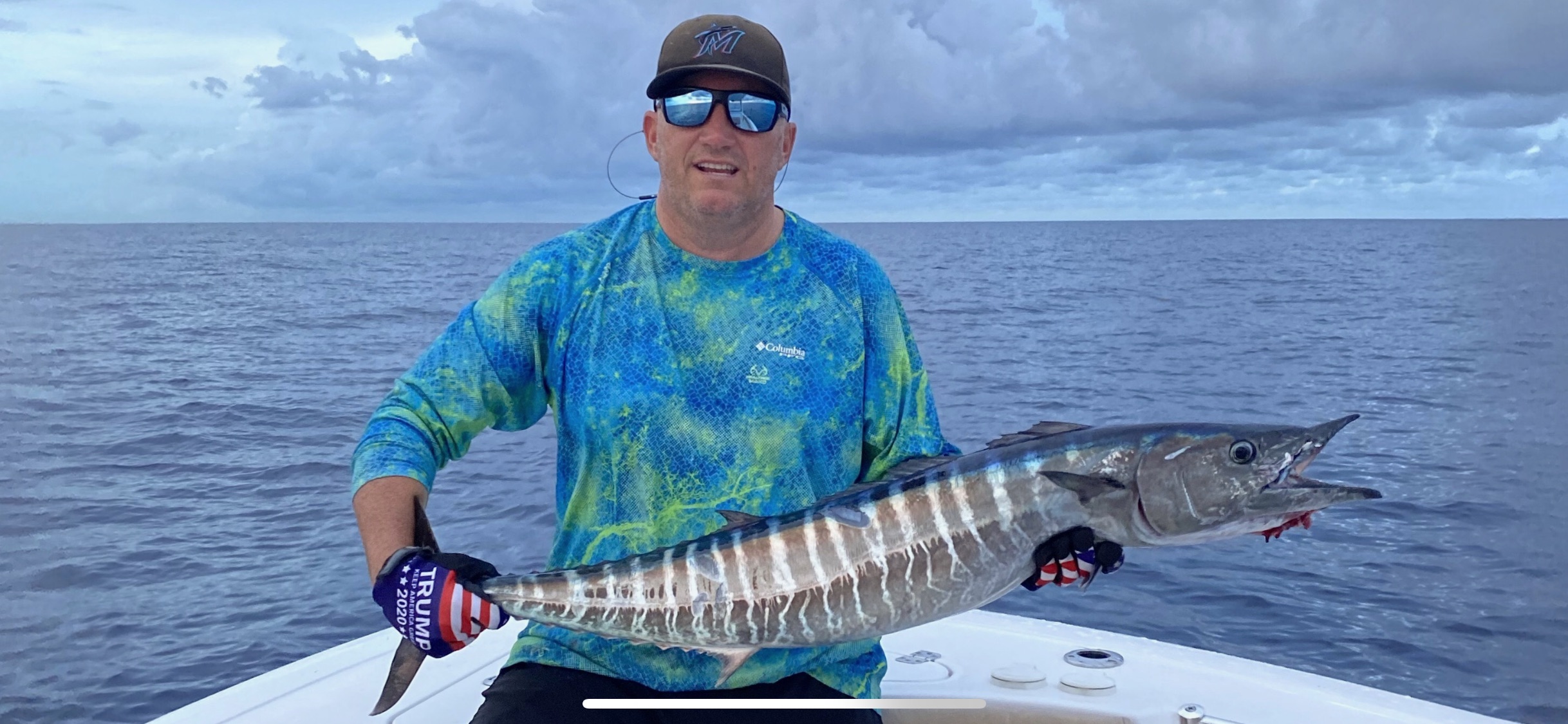
The first question many guests ask before stepping aboard is, “do charters provide fishing rods?” On a properly equipped guided trip, the answer is usually yes. You should be able to show up ready to fish without buying rods, reels, terminal tackle, and a pile of gear you may only use once. At 4 J’s Fishing Charters, all tackle is included, so your group can focus on the bite instead of wondering whether the equipment is right for South Florida saltwater.
That said, not every charter includes the exact same gear, bait, licenses, fish cleaning, or specialty equipment. A quick conversation before your trip makes expectations clear and helps Captain Jim plan the perfect day on the water for your group.
Do Charters Provide Fishing Rods and Reels?
Most private fishing charters provide rods and reels matched to the type of trip they run. An offshore captain needs equipment that can handle fast-moving mahi-mahi, hard-pulling kingfish, tuna, wahoo, and sailfish. A light-tackle inshore trip may call for a different setup for snook, tarpon, jack crevalle, and other fish around the Intracoastal Waterway.
The key point is that charter gear is selected for local conditions and the day’s target species. It is not a random rod pulled from a garage. A good captain maintains the reels, spools them with appropriate line, checks drags, replaces worn leaders, and rigs the baits or lures that make sense for the season and current conditions.
On a Boynton Beach offshore trip, that preparation matters. The Gulf Stream runs only miles from shore, and the action can change quickly. One pass may produce schoolie mahi, while the next brings a sailfish to the spread. Having properly matched tackle ready to go means less time sorting out equipment and more time with lines in the water.
What “tackle included” should mean
A charter that advertises tackle included should generally provide the working fishing setup needed for the trip: rods, reels, line, leaders, hooks, weights, lures, and the basic rigging used to catch fish. Depending on the trip and target species, that can also include live-bait rigs, trolling gear, kite-fishing equipment, bottom-fishing rigs, and landing tools.
Bait is commonly included on charter trips, but it is still worth confirming. Some trips use live bait, while others rely on frozen bait, artificial lures, or a mix of all three. The captain will choose the approach based on what is biting, water conditions, and the kind of fishing your group wants to do.
Fishing licenses are another item to ask about. Many Florida charter operations cover the required saltwater fishing license for guests fishing aboard their vessel, but guests should always confirm the details when booking. Rules can differ for certain locations, species, or trip styles.
Why Charter Rods Are Often Better Than Bringing Your Own
Experienced anglers sometimes prefer their personal setups, and there is nothing wrong with that. But for most guests, charter rods are the easier and smarter choice. They are already selected for the boat, the fishing method, and the fish likely to show up that day.
Bringing a freshwater bass rod on an offshore trip, for example, can lead to disappointment when a big kingfish or blackfin tuna hits. Even quality personal gear can be a poor fit if the line class, reel capacity, drag system, rod action, or terminal tackle does not match the situation.
Charter equipment also gives you a safety net when conditions get busy. If a rod needs to be rerigged after a cut-off, a reel develops a problem, or a fish takes a bait deep into the structure, the captain has backup gear and the know-how to get you fishing again quickly. On a half-day trip, every minute counts.
For first-time anglers, included rods remove a major barrier. You do not need to learn the difference between conventional and spinning gear before booking. Captain Jim can put the right rod in your hands, show you how to hold it, explain the drag and the reel, and coach you through the fight when the line starts screaming.
Can You Bring Your Own Fishing Rod?
Yes, in most cases you can bring your own rod if you have a favorite setup or a specific technique you want to fish. Let the captain know ahead of time, especially if you plan to bring several rods, heavy offshore equipment, fly gear, or specialty tackle. Space on a 25-foot center-console is valuable, and a little planning keeps the deck clear and safe for everyone aboard.
Your own rod can make sense if you are an experienced angler who is comfortable using it and understand its limitations. It may also be meaningful for a child using a first rod, provided it is appropriate for the planned fishing. Still, be open to the captain’s recommendation. If the bite calls for a different setup, switching to the boat’s gear may give you a better shot at the fish.
If you bring personal equipment, bring it protected and clearly marked. Saltwater, spray, sunscreen, hooks, and crowded boat decks are tough on gear. Ask in advance whether the charter can store rod tubes or larger tackle bags safely during the run offshore.
What You Should Bring Instead of Rods
The best charter packing list is simple. Wear non-marking, closed-toe shoes or secure sandals with good grip. Bring sunglasses, sunscreen, a hat, and a light long-sleeve shirt for sun protection. A refillable water bottle is helpful, though many charters provide drinks, and snacks are a good idea for longer trips.
Bring a light rain jacket if the forecast looks uncertain. South Florida weather can shift fast, especially in the warmer months. If anyone in your group gets motion sickness, take appropriate precautions before leaving the dock, following advice from a medical professional or product directions. Medication is generally most effective when taken before you feel sick.
A phone or camera is worth bringing for the photos, but use a waterproof case or dry bag. Whether it is a child’s first snapper, a bright mahi coming over the rail, or a sailfish released alongside the boat, the photos are part of the day. Keep valuables to a minimum and avoid bringing anything you would hate to see splashed or lost.
You do not need to pack a giant cooler for the ride out. If you plan to keep legal food fish, ask ahead about fish cleaning and how your catch will be packaged for the trip home. Regulations, seasons, size limits, and bag limits apply, and a responsible captain will make sure harvested fish are legal to keep.
The Gear Changes With the Fishing
“Fishing rods included” does not mean every guest receives one identical setup. The right equipment depends on the day’s plan. Trolling offshore for wahoo and mahi requires rods built to pull baits and handle long, fast runs. Bottom fishing for snapper and grouper calls for strength, sensitivity, and rigs that reach structure without tangling the whole spread.
Inshore light-tackle fishing is different again. Spinning outfits can make the fight with snook, tarpon, and jacks feel direct and exciting, while allowing anglers of many ages to cast or work a bait. The captain may adjust line size, leader material, hook style, and rod action as water clarity, current, wind, and fish behavior change.
This is why a guided charter is more than boat transportation. Local knowledge and ready-to-fish equipment work together. A captain watches the conditions, knows the productive areas around Boynton Beach, and makes practical decisions that help put guests right on the fish.
Questions to Ask Before You Book
A reputable charter should answer gear questions directly. Ask whether rods, reels, bait, tackle, licenses, ice, drinks, and fish cleaning are included. Ask what species are likely during your travel dates, whether children are welcome, and whether the trip is designed for offshore action, reef fishing, or calmer inshore water.
It is also smart to ask about the trip length. A half-day trip is a great fit for families, first-timers, and visitors working around a busy vacation schedule. A three-quarter-day or full-day charter gives the captain more time to run to changing conditions, work several fishing areas, and pursue a wider range of opportunities.
Be honest about your group’s experience level. A captain can tailor instruction for guests who have never held a rod, while still giving seasoned anglers room to fish with purpose. That information helps shape the trip far more than a generic request for “big fish.”
The rod is only one part of a great charter day. The real value is stepping aboard with equipment ready, a local captain at the helm, and a plan built around the water and the fish that are there. Pack for the sun, bring a good attitude, and be ready when the first line starts moving.


Comments