


Best Fish on Boynton Reefs: What Bites When
A good Boynton reef can look quiet on the surface, then light up the moment a bait reaches the right depth. The best fish Boynton reefs produce depend on water temperature, current, bait movement, and how much pressure a spot has seen that week. That is why a productive reef trip is not about stopping at the first piece of structure. It is about reading the conditions and putting baits where the fish are feeding.
Boynton Beach has a real advantage for reef anglers: deep water and Gulf Stream influence are close to shore. On the right day, anglers can target bottom fish, troll for predators, or work live baits along the reef edge without spending half the trip running offshore. For families, visiting anglers, and serious local fishermen, that means more lines in the water and more chances at quality fish.
Best Fish on Boynton Reefs
The reef system off Boynton Beach holds a mix of food fish and hard-fighting game fish. Some stay tight to structure, while others patrol the edges looking for an easy meal. A captain who knows the local water adjusts the plan based on what is showing, rather than forcing one technique all day.
Snapper: A Reef Favorite for Every Skill Level
Mangrove snapper, mutton snapper, yellowtail snapper, and lane snapper are among the most popular targets on Boynton reefs. They are excellent on the table, pull hard for their size, and give first-time anglers plenty of action when conditions line up.
Snapper are not always easy. Larger fish can be wary around a busy reef, especially in clear water. Natural presentation matters. Lighter leaders, properly sized hooks, fresh cut bait, and live pilchards can make a major difference. Mutton snapper often feed along sandy areas near reef structure, while mangroves may hold close to ledges, wrecks, and bait schools.
Summer and fall can provide strong snapper opportunities, but good fish are caught throughout the year. Current can be your friend because it carries scent and moves bait, though too much current can make holding bottom difficult. On those days, the right drift and enough weight are what keep baits in the strike zone.
Grouper: Power Near the Bottom
When a grouper eats, there is no mistaking it. The first few seconds are all about keeping the fish from reaching the rocks, ledge, or wreck. Black grouper, gag grouper, red grouper, and other species may be available depending on the season, depth, and current regulations.
Grouper fishing is a great example of why local knowledge matters. Productive areas are not just random hard-bottom marks. Fish favor specific ledges, holes, low-profile structure, and current breaks. A bait placed ten yards off the right piece can get ignored, while one dropped directly on it gets crushed.
Live bait is often the ticket for larger grouper, although squid, sardines, and other natural baits can produce. Heavier tackle has a purpose here. It is not about making the fight easier. It is about giving anglers a fair chance to turn a powerful fish before it cuts the line in the structure. Grouper seasons, size limits, and bag limits change, so a responsible charter checks the current rules before keeping a fish.
Kingfish: Fast Strikes Along the Reef Edge
Kingfish are one of the most exciting catches around Boynton Beach. They often patrol the reef edge, especially where bait is concentrated and clean blue water pushes in. A kingfish strike can be violent and fast, with a reel suddenly screaming while the fish races away from the boat.
Trolling live baits, slow-trolling dead baits, and fishing suspended baits around bait schools are proven approaches. Winter and spring are especially well known for kingfish action in South Florida, but they can show up at other times when the conditions are right.
Kingfish are a strong target for groups because the bite can happen quickly and the fish make impressive photos. They are also excellent eating when handled well, although they are best enjoyed fresh. The key is staying mobile when needed. If bait moves or the current changes, the fish may move with it.
Sailfish: The Reef’s Big-Time Surprise
Few sights beat a sailfish rising behind a live bait. Boynton’s close access to the Gulf Stream and reef line creates prime travel lanes for sailfish, particularly during the cooler months when north winds, current, and bait movement come together.
Sailfish do not live on the reef in the same way snapper and grouper do. They use the reef edge, color changes, current lines, and bait concentrations as feeding routes. Kite fishing and live-bait fishing are often the best methods when the wind allows, while trolling can be effective when anglers need to cover water.
A sailfish trip requires patience because the fish are moving targets. Some days produce multiple shots, and other days the bait may be there without the bite developing. That uncertainty is part of what makes a sailfish release so memorable. Experienced anglers appreciate the challenge, while beginners get a hands-on introduction to one of South Florida’s premier game fish.
Mahi-Mahi, Wahoo, Tuna, and Other Roamers
The same water that holds reef fish can also bring pelagic action close to Boynton Beach. Mahi-mahi are most common when warm blue water and floating debris are present, with spring through early fall often providing the best chances. Smaller schoolies are great for families, while a larger bull or cow can turn a reef trip into a trophy day.
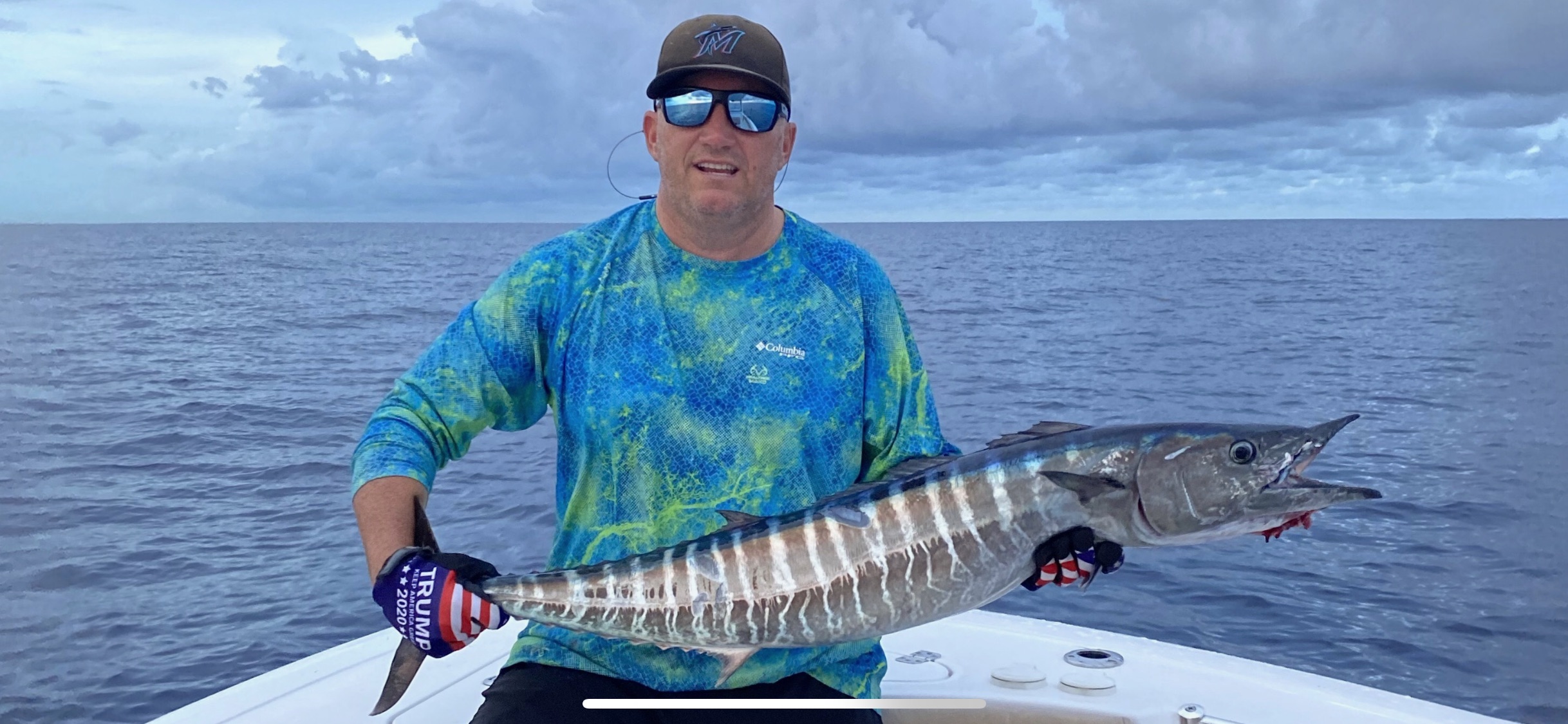
Wahoo are known for blistering runs and can appear around the reef edge, especially when there is current. Blackfin tuna may feed around bait schools, structure, and the edges of deeper water. Bonito, jacks, barracuda, and amberjack can also keep rods bent when conditions are active.
These fish are not guaranteed on every reef trip. Weather, water color, wind direction, and bait all matter. The advantage of a flexible charter is being ready to switch from bottom fishing to trolling or live-baiting when the conditions point to better action.
When Boynton Reef Fishing Is Best
There is no single best month for every species. Winter brings cooler water and some of the strongest chances for sailfish and kingfish. Spring can produce a mix of sailfish, mahi-mahi, kingfish, tuna, and snapper. Summer is a popular time for snapper, grouper where open, mahi-mahi, and calmer family fishing days. Fall often brings moving bait, active kingfish, snapper, jacks, and opportunities for a variety of species.
Weather matters as much as the calendar. A calm morning may be ideal for younger anglers and bottom fishing, while a steady breeze can help create the conditions needed for kite fishing. Strong current may push quality fish onto a reef, but it can also make fishing technical. The perfect day on the water is not always flat calm. It is the day the plan matches the conditions.
Choosing the Right Charter Length for Reef Fish
A half-day trip is a solid choice for families, first-timers, and anglers who want a focused reef experience. There is time to target snapper, kingfish, jacks, and whatever is actively biting close to the inlet.
A three-quarter-day trip gives the captain more room to adjust. That extra time can matter when the morning bite is slow, bait needs to be caught, or the best fish are farther down the reef line. Full-day charters offer the most flexibility for anglers who want to combine reef fishing with offshore trolling, deep drops, or a dedicated hunt for sailfish, mahi-mahi, tuna, or wahoo.
At 4 J’s Fishing Charters, Captain Jim plans trips around the people on board as well as the conditions. The 25-foot Sportsman center-console is equipped with professional-grade tackle, so guests do not need to own a boat or show up with a garage full of gear. Beginners get clear instruction, while experienced anglers can work techniques that match the day’s bite.
A Better Day Starts Before the First Cast
Bring sun protection, polarized sunglasses, drinks, and a camera. Wear non-slip footwear, listen closely during the safety briefing, and let the captain know if anyone in the group is new to boating or prone to motion sickness. The more a captain knows about your group’s comfort level and fishing goals, the better the day can be tailored.
If you want dinner, say so early. If your goal is a sailfish release, a big kingfish, or simply getting the kids right on their first snapper, that changes how the trip is approached. Reef fishing rewards flexibility, and the best days often come from following the bait, the current, and the fish instead of a rigid plan.
The next time the forecast looks good, choose the target that fits your crew, leave room for a surprise, and be ready when a Boynton reef turns one good bite into the fish story everyone talks about on the ride home.


Comments