


How to Fish Gulf Stream Currents Off Boynton Beach
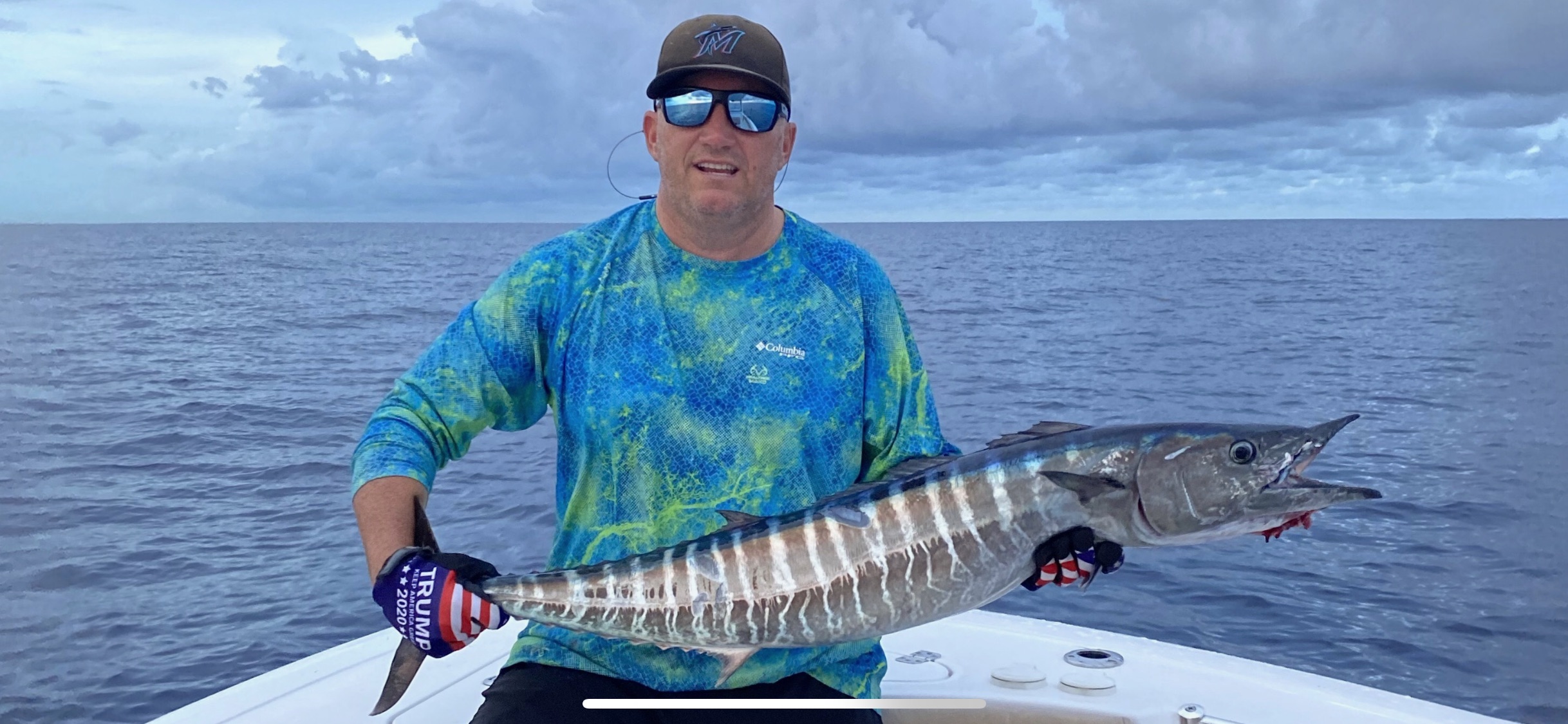
The Gulf Stream is one reason Boynton Beach delivers serious offshore fishing so close to the dock. To fish Gulf Stream currents well, you do not simply run east, put out a spread, and wait. You watch what the moving water is doing to bait, temperature, color, weed lines, and structure, then put your baits where game fish have the best reason to feed.
That is where local knowledge pays off. The current can create an outstanding sailfish bite one day and make the same area difficult to work the next. Captain Jim has spent decades reading South Florida water, adjusting the plan to the conditions, and getting guests right on the fish - whether it is a family’s first offshore trip or a dedicated angler chasing a tournament-caliber bite.
Why Gulf Stream Currents Hold So Many Fish
The Gulf Stream carries warm, blue water north along Florida’s east coast. Off Boynton Beach, that moving water can be only a few miles offshore, giving anglers fast access to pelagic fish without spending most of the day running the boat.
Current gathers life. It pushes floating weeds, debris, baitfish, jellyfish, and plankton into defined lanes. A strong edge where clean blue water meets greener inshore water may concentrate bait, while a rip line can give predators an easy feeding route. Sailfish, mahi-mahi, wahoo, blackfin tuna, kingfish, and bonito all use these areas differently, but they share the same advantage: food is moving through a predictable zone.
The best water is not always the bluest water or the strongest current. Sometimes a sharp color change is the key. Other days, a slower-moving pocket beside the main push lets ballyhoo and small baitfish stack up. Fish respond to conditions, not a calendar, so the day’s water picture matters more than any one rule.
How to Fish Gulf Stream Currents Productively
A productive offshore day starts before the first bait hits the water. On the ride out, an experienced captain watches the sea state, water color, current direction, bird activity, weed coverage, and bait signs. Electronics help, but there is no substitute for seeing how the water is setting up in real time.
Find the edges, not just open water
Current edges are often the highest-percentage places to begin. Look for a clear line in water color, foam, scattered weeds, or a temperature break. Those visible signs are useful, but the best edges can be subtle. A slight change in surface texture or a line of bait dimpling just off a weed patch can be enough to attract feeding fish.
Rather than crossing an edge once and moving on, work it carefully. Troll along the line, make passes across it, and pay attention to which side gets bites. If mahi are holding under a piece of debris, staying near that area after the first hookup can turn one fish into a full cooler. Mahi often travel in groups, and keeping a fish near the boat can hold the school’s attention while other anglers cast or pitch baits.
Match your spread to the current
Trolling with the current, against it, or across it changes how your baits swim and how quickly they move through the strike zone. There is no single perfect direction. A strong current may require slowing the boat or choosing baits and lures that track cleanly at a controlled speed. In other conditions, a faster pass can trigger wahoo or tuna.
Live bait, rigged ballyhoo, and artificial lures each have a place offshore. A natural bait presentation can be tough for sailfish and kingfish to ignore, while clean-running lures are practical when covering water for wahoo, tuna, and mahi. The right choice depends on water clarity, sea conditions, target species, and what is showing on a given day.
A professional spread also needs to stay organized. Tangled lines do not catch fish. On a 25-foot center-console, the captain can set a spread that is effective without overwhelming guests, then coach anglers through the bite, the hookup, and the fight. All tackle is included, so first-time guests can focus on the action instead of wondering whether they brought the right gear.
Watch for the signs that matter
When the current is working, the ocean often tells you before a rod bends. Keep an eye out for four signs: birds working low over the water, flying fish spraying ahead of the boat, baitfish flickering at the surface, and current lines collecting weeds or foam.
Birds can point to tuna or bonito driving bait upward. Flying fish often show that predators are active nearby, especially in clean blue water. A weed line may hold nothing for a mile, then one thicker clump can produce a mahi bite in seconds. The lesson is simple: stay alert. Offshore fishing can go from quiet to full-speed fast.
Targeting South Florida’s Gulf Stream Species
Sailfish are one of the biggest reasons anglers head offshore from Boynton Beach. Cool-season conditions often produce excellent sailfish opportunities, particularly when bait is moving and the current lines are defined. Live-baiting, kite fishing, and slow trolling can all be effective approaches depending on wind and water conditions.
Mahi-mahi are a favorite for families and visiting anglers because they are colorful, aggressive, and excellent on the table. Look for them around floating debris, weed lines, and current breaks. Smaller schoolies can provide nonstop action, while a larger bull or cow may show up near the same piece of floating structure.
Wahoo are built for speed and can strike without warning. They are often targeted with faster trolling presentations, especially around current edges and deeper offshore lanes. Their blistering first run is a memorable test for any angler, but they demand solid tackle, good boat handling, and quick reactions.
Blackfin tuna, kingfish, bonito, and occasional other offshore visitors add to the variety. Tuna may show around bait schools and birds, while kingfish often patrol areas where bait is concentrated. The beauty of fishing this coast is that the target can change quickly. A day planned around sailfish may produce mahi, tuna, and kingfish in the same spread.
When Current Makes Fishing Harder
Strong current is not automatically good current. When it is ripping, it can make it harder to keep a bait at the desired depth, hold position near a productive area, or present a lure naturally. Heavy weed coverage can also foul lines constantly. In those cases, the best move may be changing direction, shifting depth, using a different presentation, or moving to cleaner water.
Wind matters, too. Wind against current can build rough, stacked seas, while wind moving with the current may create a more comfortable ride. Guest safety and comfort always come first, especially with children or first-time offshore anglers aboard. Some days call for the Gulf Stream run; others are better suited to reef fishing for snapper and grouper or calmer inshore action for tarpon, snook, and jack crevalle.
That flexibility is part of planning the perfect day on the water. A half-day trip can put anglers into quality offshore action when the bite is close, while a three-quarter-day or full-day charter gives more time to explore changing conditions and work the most productive water.
Put Local Water Knowledge to Work
Fishing the Gulf Stream is exciting because every trip looks a little different. The current shifts, the bait moves, the weed lines break apart, and the fish follow their food. The most successful anglers stay flexible and let the conditions lead the plan.
From Harvey E. Oyer Park, 4 J’s Fishing Charters gives Boynton Beach, Delray Beach, Boca Raton, Lake Worth, and West Palm Beach anglers a direct route to that action. Captain Jim handles the boat, tackle, bait presentation, and local decision-making, while guests get to enjoy the part that matters most: seeing a sailfish light up behind a bait, hearing the drag scream, and putting a hard-fighting Gulf Stream fish in the boat.
Bring a good attitude, listen for the call that fish are on, and keep your eyes on the water. The next current line may be the one that turns an ordinary offshore ride into the fish story your whole group talks about for years.


Comments