


Boynton Beach Reef Fishing Guide for Better Bites
A good Boynton Beach reef fishing guide starts with one advantage you can feel as soon as the boat clears the inlet: productive water is close. South Florida’s reefs, ledges, wrecks, and hard-bottom areas hold quality fish within a practical run from shore, which means more time with lines in the water and less time burning daylight getting there.
For first-time guests, reef fishing is one of the best ways to get steady action while putting dinner-worthy species in the box when conditions and regulations allow. For experienced anglers, it is a technical fishery that rewards the right bait, natural presentation, and fast decisions when the bite turns on. The target may be a hard-pulling mutton snapper, a red grouper coming off the bottom, a kingfish screaming across the reef edge, or a surprise cobia following a larger fish to the boat.
What Makes Boynton Beach Reef Fishing Different?
The reef system off Boynton Beach is not one single spot. It is a changing mix of shallow and deeper coral habitat, limestone structure, artificial reefs, wrecks, drop-offs, and current lines. Fish use those areas differently depending on water temperature, current, bait presence, tide, and fishing pressure.
The nearby Gulf Stream matters, too. Its blue water and moving current can push bait and pelagic fish close to the reef line. On one trip, the plan may center on bottom fishing for snapper and grouper. On another, a live bait drifting along a reef edge can produce kingfish, bonito, blackfin tuna, sailfish, or mahi-mahi.
That variety is part of the appeal, but it also means there is no one rig or one depth that works every day. A captain who fishes these waters regularly reads the conditions before deciding whether to anchor, drift, bump along a ledge, work a wreck, or move until the right marks appear on the electronics.
Reef Fish You Can Expect to Find
Snapper are the bread and butter of many reef trips. Mangrove snapper, mutton snapper, yellowtail snapper, lane snapper, and vermilion snapper can all show up around South Florida structure. Muttons are especially prized for their size, fight, and table quality, but they can be wary. A bait that looks too heavy or unnatural may get ignored while the fish feed just a few feet away.
Grouper are another major draw. Red grouper, black grouper, gag grouper, scamp, and other species may hold close to the bottom, in holes, or around hard structure. When one bites, the first few seconds matter. Give a grouper room to reach the rocks and it may be over before the fight really starts.
Kingfish often patrol reef edges, especially where schools of bait are present. They are fast, aggressive, and a great target for guests who want a run-and-gun strike on live bait. Cero mackerel, Spanish mackerel, jacks, barracuda, bonito, and cobia add even more action to the mix.
Every trip has its own personality. Some days are built around constant snapper bites. Other days deliver fewer chances but bigger fish. That is why a flexible plan beats forcing a single target species all day.
Best Times to Fish the Reefs
Boynton Beach reef fishing can be productive year-round, but the best target changes with the season. Cooler months often bring excellent kingfish action and opportunities for sailfish along the reef line. Spring can produce strong snapper fishing as fish become more active around structure, while summer often brings calm mornings, warm water, and a mix of reef species, mahi-mahi, tuna, and bonito offshore.
Fall can be one of the most interesting periods because bait concentrations increase and migratory fish move through. Kingfish, blackfin tuna, sailfish, and larger snapper may all be realistic possibilities depending on conditions.
Weather and current matter more than a date on the calendar. A clean northeast current can set up a great drift. Too much current may require heavier sinkers, shorter leaders, and more precise boat handling. A calm forecast can make a half-day trip ideal for families, while a longer trip gives dedicated anglers more time to explore multiple depths and switch tactics.
Tactics That Put Fish in the Boat
Natural presentation is the difference-maker on the reef. For snapper, that often means fresh-cut bait, shrimp, squid, or a lively pilchard presented with the lightest practical leader and enough weight to reach the zone. The goal is not simply to get to the bottom. It is to keep the bait looking like an easy meal while current moves it across the structure.
Live bait is a major player when kingfish, tuna, sailfish, and larger snapper are around. A baitfish swimming freely near a reef edge can draw strikes that no artificial lure will match. At the same time, artificial jigs can be extremely effective when fish are marked deeper or when predators are feeding beneath schools of bait.
Bottom fishing takes attention. Keep contact with the bait, watch for a soft tap or sudden weight, and be ready to reel with purpose. Many snapper bites are subtle. Grouper bites can be violent. A good captain will explain what to feel for, when to let a fish take the bait, and when to set the hook and keep pressure on.
Chumming can also turn a slow reef into an active one. It creates scent and small particles in the current, pulling fish off the structure and into the feeding zone. The trade-off is that chum may bring smaller fish, barracuda, or sharks along with the species you want. That is not always a problem, but it may mean adjusting baits or moving to the next piece of bottom.
Choosing the Right Trip Length
A half-day charter is a strong choice for families, first-time anglers, and visitors who want real reef action without committing an entire day. With close access to productive grounds, there is enough time to fish effectively, learn the basics, and have a fun shared experience on the water.
A three-quarter-day trip gives the captain more room to adjust. If the first reef is quiet, there is time to change depths, try another ledge, fish live bait, or make a move for pelagic fish. It is often the sweet spot for anglers who want a fuller experience without an all-day schedule.
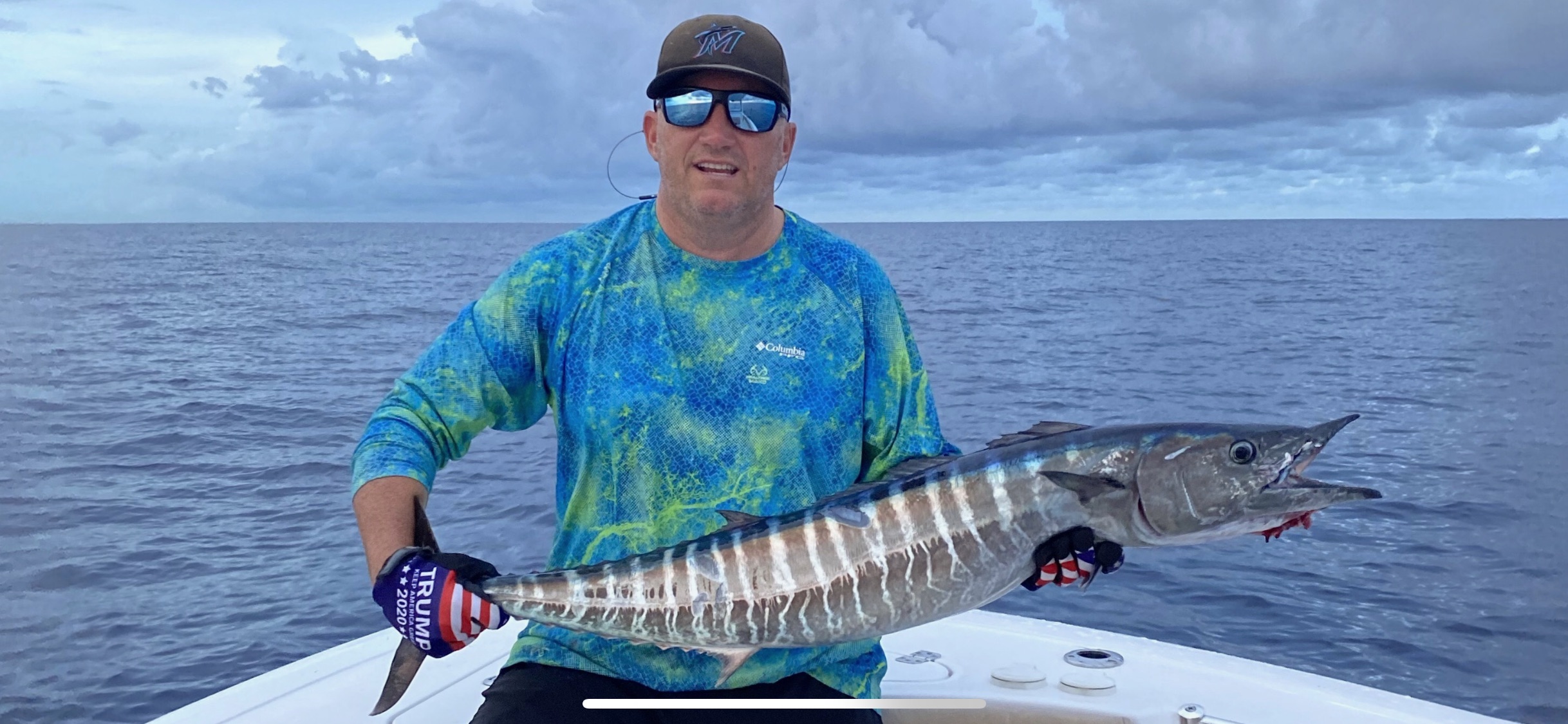
A full-day trip is best when you want to cover the most water and keep options open. You can start on the reef for snapper and grouper, spend time targeting kingfish or sailfish, and move farther offshore if conditions point toward mahi-mahi, wahoo, or tuna. More time does not guarantee more fish, but it does give you more opportunities to follow the best bite.
What to Bring and What a Charter Handles
Reef fishing does not require you to own a garage full of rods, rigs, and electronics. On a professionally guided trip, quality tackle, bait, and the equipment needed for the day are ready to go. That lets beginners focus on fishing instead of figuring out knots and rigging, while experienced anglers can spend their time working the bite.
Bring polarized sunglasses, sun protection, a hat, comfortable non-marking shoes, water, and any food or drinks you would like for the trip. A light rain jacket is smart when the forecast is uncertain. If you are prone to motion sickness, handle medication before boarding and follow the directions on the package.
The captain should also be part of your plan, not just the person driving the boat. Tell them whether your group wants steady action, a shot at a trophy, fish for dinner, or a mix of everything. Let them know if children are aboard, if anyone is new to saltwater fishing, or if an experienced angler has a species in mind. That information helps shape the right day on the water.
Keep the Catch Responsible
South Florida reef fish are valuable resources, and regulations can change by species, season, size, area, and federal or state waters. Some fish must be released even when they look legal at first glance, while others have strict bag limits. A knowledgeable captain stays current on the rules and measures every fish that needs to be checked.
For fish you plan to release, quick handling matters. Keep the fish in the water when possible, use wet hands, avoid squeezing the body, and get it back down promptly. Deep-caught fish may need specific release tools to improve their chances of survival.
A successful reef trip is not measured only by a full cooler. It is the moment a child feels the first snapper tap, the quick teamwork needed to pull a grouper away from the rocks, or the photo of a kingfish that turned a quiet drift into a memory. Captain Jim and the 4 J’s Fishing Charters crew plan each trip around the conditions and the people aboard, so you can spend the day doing what you came to do: get right on the fish.


Comments