


Best Fish for Family Trips in Boynton Beach
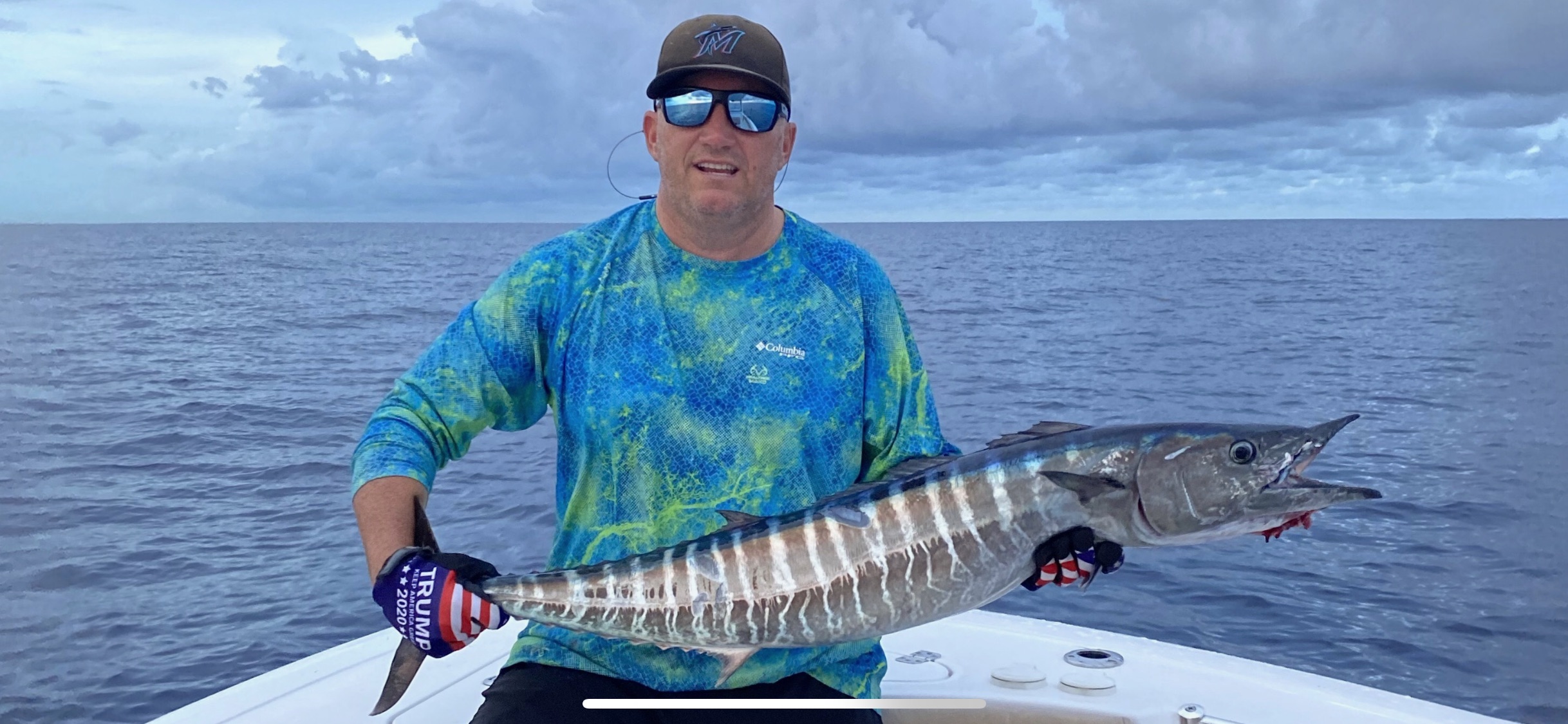
A child does not need to catch a record sailfish to remember a day on the water. Often, the best fish for family trips are the ones that bite often, fight hard enough to feel exciting, and give everyone aboard a real chance to participate. Around Boynton Beach, that can mean a cooler full of snapper, a run of hungry jacks, or the moment a bright mahi-mahi hits the spread just a few miles offshore.
The right target depends on your crew's ages, experience, comfort with boat rides, and how long you want to be out. South Florida offers serious game fish, but a family charter works best when the day is built around action, instruction, and conditions that keep everyone smiling.
What Makes a Fish Great for a Family Charter?
A family-friendly fish is not always the biggest fish in the ocean. The best choices usually provide regular opportunities, manageable tackle, and a clear path for beginners to learn what is happening. Kids and first-time anglers stay engaged when they can drop a bait, feel a bite, and get help bringing a fish to the boat without waiting hours between chances.
Edible species add another payoff. Bringing home fresh snapper or mahi turns the trip into dinner and a story that gets retold at the table. Still, catching fish is only part of the plan. Wind, current, sea conditions, and the season can change the best option for a given day. A good captain adjusts the target rather than forcing an offshore plan when calmer inshore or reef fishing will better suit the family.
The Best Fish for Family Trips Near Boynton Beach
Snapper: The Reliable Choice for Beginners
Snapper are hard to beat for a first family fishing trip. They live on reefs and structure, where the action can be steady and the ride is often shorter than a far-offshore run. Yellowtail snapper, mangrove snapper, mutton snapper, and other local varieties can all put a bend in the rod, and their quick bites keep young anglers focused.
Snapper fishing also teaches the basics well. Guests learn how to hold a rod, work a bait naturally, feel the tap before the pull, and reel with steady pressure. A child may need a hand at first, but snapper are an excellent fish for sharing the fight. One person can hook up, another can help reel, and everyone gets a close look when the fish comes over the side.
There is a trade-off: reef fishing can require patience and careful technique when the bite is picky. But when the fish are feeding, it is one of the most productive ways to put first-timers right on the action.
Mahi-Mahi: Color, Speed, and a Memorable Fight
Mahi-mahi are a favorite for families ready for offshore excitement. Their bright colors, fast runs, and aggressive strikes make them instantly impressive, especially when a school comes close to the boat. They are also excellent table fare, which gives families a practical reason to celebrate the catch.
Off Boynton Beach, Gulf Stream access is close enough that offshore opportunities can be reached efficiently when conditions allow. Mahi fishing is often best for families on a three-quarter-day or full-day trip, since finding schools can require more travel and time than reef fishing. Once located, though, mahi can produce a fast-paced bite with multiple anglers catching fish.
Because offshore water can be rougher, this is not automatically the best choice for every group. Families with very young children, first-time boaters, or anyone prone to motion sickness may prefer a reef or intracoastal plan on a breezy day. The fish will still be there another day. Keeping the crew comfortable is what makes the trip a success.
Jack Crevalle: Big Pulls Without the Long Wait
Jack crevalle do not get the same dinner-table attention as snapper or mahi, but they are one of South Florida's most dependable fun fish. They hit hard, pull surprisingly strong, and often travel in schools. For a kid who wants to feel a rod load up, a jack is a great introduction to the power of saltwater fishing.
Jacks are usually released, so they are ideal for families who want action and photos without worrying about filling a cooler. They can show up around inlets, channels, bridges, and nearshore structure, creating a good option when conditions favor inshore light-tackle fishing. Their strength can be a challenge for small children, but that is part of the fun when an adult or captain helps them stay connected.
Kingfish: A Thrill for Older Kids and Teens
Kingfish bring speed to the day. A screaming drag and a fast first run can make an older child's or teenager's first kingfish unforgettable. They are commonly targeted offshore and near reefs, and they can be caught while trolling or fishing live baits.
The trade-off is that kingfish are less forgiving than snapper. Their strikes can be explosive, but bites may be less frequent depending on the day, and the fish can make quick runs that demand attention at the rod. They are a strong choice for families with older kids who want a little more challenge and parents who enjoy the chance at a quality food fish.
Tarpon and Snook: Special Targets for Patient Crews
Tarpon and snook are prized South Florida catches, particularly for families with anglers who already have some experience. Tarpon are powerful, acrobatic, and built for a memorable photo before release. Snook can be targeted inshore on light tackle and offer a technical, rewarding bite around structure.
Neither should be treated as a guaranteed first-trip fish. They can be selective, seasonal patterns matter, and they often require more patience than a steady snapper bite. For a family with one dedicated angler and a few beginners, a captain can build a trip that looks for tarpon or snook while keeping other action available. That balance matters. Nobody wants the whole group watching one bait for hours if the fish are not cooperating.
Match the Trip Length to Your Family
A half-day trip is often the sweet spot for young children and first-time guests. It provides enough time to fish productive reefs, inshore areas, or nearshore water without turning the outing into an endurance test. Snapper, jacks, and other action-oriented targets fit especially well into this format.
A three-quarter-day trip creates more room to chase mahi, kingfish, or a mix of reef and offshore species. It is a smart middle ground for families who want the chance at bigger water and a fuller day without committing to a sunrise-to-afternoon schedule.
Full-day charters make sense when the family includes experienced anglers, older kids, or visitors who want to maximize their time in South Florida. More time gives the captain flexibility to work changing conditions, travel farther when needed, and pursue a broader mix of fish. It does not guarantee a trophy, but it gives the day more possibilities.
Set Kids Up for a Better Day on the Water
The fastest way to spoil a family charter is to make the day harder than it needs to be. Bring water, snacks, sunscreen, hats, polarized sunglasses, and a light layer for early departures. If anyone is concerned about motion sickness, address it before leaving the dock and choose a trip plan that fits their comfort level.
Let kids know that fishing includes waiting, watching, and learning between bites. Then give them jobs. They can watch the rod tip, help spot birds or floating debris offshore, hold a fish for a photo with help, or choose the next person to take a turn. A child who feels involved stays excited even when it is not their turn at the rod.
On a private charter, the captain can tailor the day around that energy. At 4 J's Fishing Charters, all core tackle is included, so families can spend less time figuring out gear and more time fishing. Tell the captain who is new, who wants dinner fish, who wants a big fight, and how long the kids are likely to stay comfortable. That information helps shape the plan before the lines ever go in.
The best family catch is the one that fits the people on the boat that day. Start with a target that promises action, stay flexible when conditions point somewhere else, and let the first tight line set the tone for a day your crew will want to do again.


Comments