


Florida Saltwater Fish Guide for South Florida
South Florida is one of the few places where a morning can start with snook around the mangroves and finish with mahi-mahi or sailfish offshore. This Florida saltwater fish guide helps you understand what is biting around Boynton Beach, where those fish hold, and what kind of trip gives you the best shot at putting one in the boat or alongside it for a release.
The advantage here is geography. The Gulf Stream runs close to Palm Beach County, so offshore bluewater action can be only a short run from the inlet when conditions cooperate. At the same time, the Intracoastal Waterway, bridges, seawalls, reefs, and wrecks offer plenty of opportunities for anglers who want light-tackle action closer to shore.
Florida Saltwater Fish Guide: Start With the Water You Want to Fish
A successful day starts by matching the trip to the kind of fishing you want. Offshore trips are built for speed, open water, and larger pelagic fish. Reef fishing is often the right call for families, groups who want action and fresh fish for dinner, or anglers who prefer less travel time. Inshore fishing keeps the boat in more protected water and puts the focus on species that feed around current, structure, and bait.
Weather matters just as much as the target species. A calm forecast can make a run offshore comfortable and productive. If the wind is up, reef or inshore fishing can be the smarter choice. That is not settling for less - it is fishing the conditions in front of you and giving everyone aboard the best possible day on the water.
Offshore Game Fish Near Boynton Beach
Sailfish
Sailfish are a South Florida favorite for good reason. They are fast, acrobatic, and capable of turning a quiet troll into a full-speed fight in seconds. Winter is widely known as prime sailfish season along the Palm Beach County coast, especially when bait, current, and clean blue water line up. Sailfish may also show at other times of year, so a captain watches water color, temperature breaks, bait schools, and the daily reports rather than relying on the calendar alone.
Live bait is a proven approach, but trolling can also produce fish depending on the conditions. Sailfish are generally released, which makes proper handling a major part of the experience. Keep the fish in the water when possible, work efficiently, and get that quick photo without exhausting a great fish.
Mahi-Mahi
Mahi-mahi, also called dolphin or dorado, are one of the best offshore targets for anglers of all experience levels. They fight hard, show off bright colors, and make excellent table fare. Look for them around weed lines, floating debris, current edges, birds, and bait.
Spring through fall can be especially productive for mahi, though fish can show up whenever warm blue water pushes close to shore. Smaller schoolie mahi often provide nonstop action for families, while a larger bull or cow can become the fish everyone talks about after the trip. When a school is under the boat, keeping a hooked fish in the water can help hold the rest of the group nearby.
Wahoo, Tuna, and Kingfish
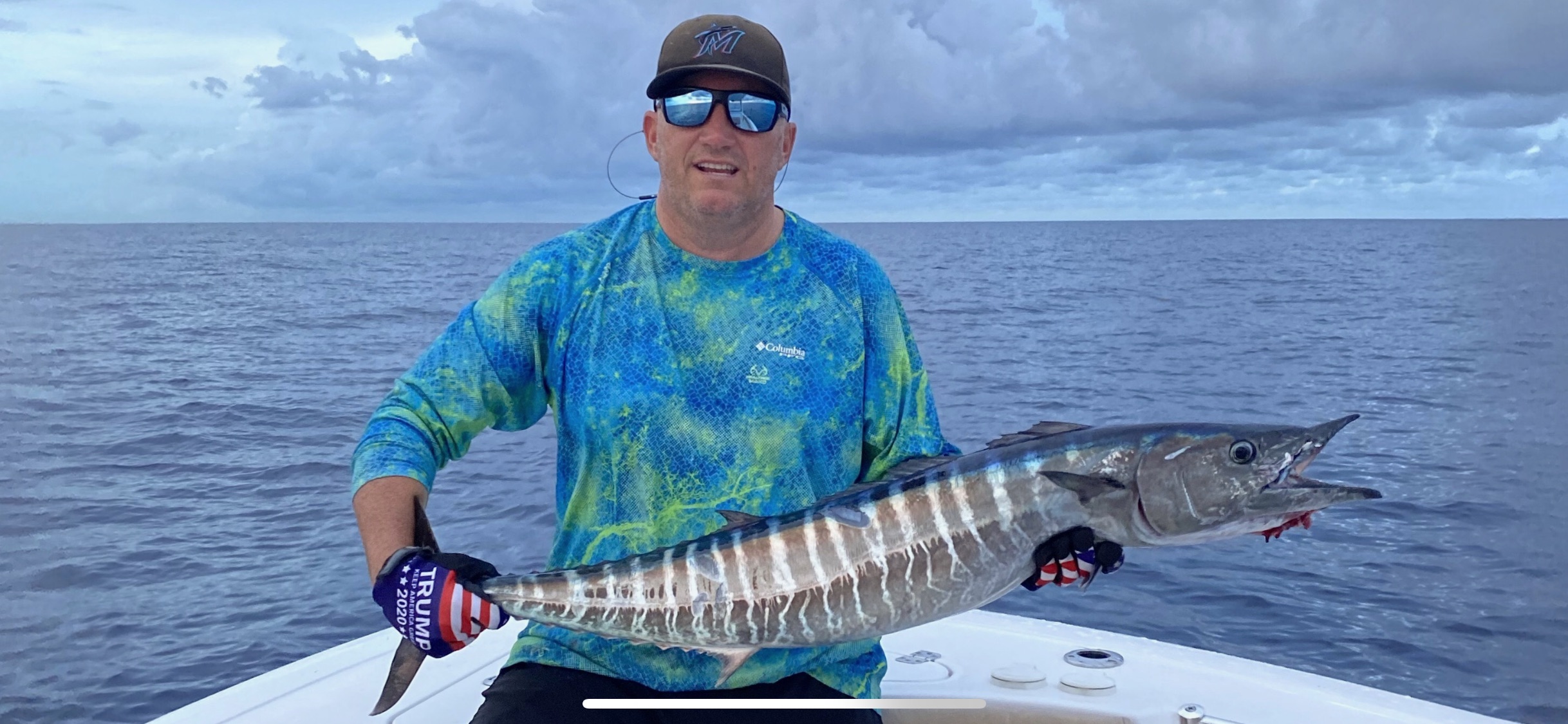
Wahoo are built for speed. They often strike trolled baits or lures with such force that there is no mistaking the bite. They are commonly targeted around ledges, current lines, and clean water, particularly during cooler months, though opportunities vary with offshore conditions.
Blackfin tuna can offer a different kind of challenge. They may respond to trolling, chunking, or live bait, and their strong runs can surprise anglers who have only fished the reefs. Kingfish are another dependable South Florida target, often found around reefs, wrecks, bait pods, and ledges. A kingfish trip can produce quick action, but a toothy fish demands the right leader and a steady hand near the boat.
Reef Fish for Action and Fresh Fish Dinners
South Florida reefs hold some of the most popular food fish in the state. Snapper and grouper fishing can be excellent, but it is more technical than simply dropping a bait to the bottom. Current, depth, bait presentation, and boat position all matter.
Yellowtail snapper are prized for their eating quality and can require a light, natural presentation. Mangrove snapper are aggressive around structure and offer great action when they are feeding. Mutton snapper are a premier target that may require patience and a well-placed bait over the right bottom.
Grouper fishing is equally dependent on conditions and regulations. These fish live tight to wrecks, ledges, and hard bottom, so once one bites, anglers need to apply steady pressure before it reaches the structure. Grouper seasons, size requirements, and bag limits can change, and some species may be closed at certain times. A responsible trip checks current Florida and federal rules before keeping any fish.
Reef fishing is often a strong choice for a half-day charter because productive bottom can be reached efficiently from Boynton Beach. It also keeps rods bending for mixed catches that may include snapper, kingfish, jacks, bonito, and other local species.
Inshore Fish: Tarpon, Snook, Jacks, and More
Not every memorable fish has to come from miles offshore. Inshore waters around Boynton Beach and Palm Beach County offer exciting light-tackle opportunities, especially for anglers who enjoy casting, working live bait, and fishing close to structure.
Tarpon are the headliners. A large tarpon rolling near a bridge, inlet, or channel edge is a sight that gets every angler moving. They are powerful, unpredictable, and known for spectacular jumps. Tarpon are typically targeted as a catch-and-release fish, and timing is everything. Tide movement, bait presence, water clarity, and boat traffic can all affect the bite.
Snook are another prized inshore target. They use seawalls, docks, mangroves, bridges, and shadow lines as feeding stations. Snook fishing can be outstanding, but these fish are seasonal, structure-oriented, and subject to specific harvest rules. Catch-and-release techniques protect the fishery and keep the action strong for future trips.
Jack crevalle may not get the same attention as tarpon or snook, but do not underestimate them. When jacks push bait along a shoreline or through the Intracoastal, they can create fast, aggressive action on light tackle. They are a perfect target for first-time anglers who want to feel what a hard-fighting saltwater fish can do.
Choosing the Right Season Without Overthinking It
There is always something to target in South Florida, but the best species changes with the season, weather pattern, and water conditions. Cooler months often bring strong sailfish, kingfish, wahoo, and blackfin tuna opportunities. Warmer months can produce excellent mahi-mahi fishing, while reef species remain a year-round option when regulations allow.
Inshore fishing follows its own rhythm. Tarpon migrations, snook activity, bait movements, and tidal flow can make one stretch of water productive this week and quiet the next. That is where local knowledge makes a real difference. The goal is not to force a favorite species when conditions say otherwise. The goal is to put anglers right on the best available bite.
What to Bring and What a Guided Trip Handles
For a charter, guests should bring sun protection, polarized sunglasses, a hat, comfortable non-marking shoes, snacks or drinks, and a camera. If anyone gets motion sickness, it is smart to prepare before the boat leaves the dock rather than after the first swell hits.
A well-run guided trip handles the gear, bait, tackle, rigging, navigation, and fish-finding work that can make saltwater fishing complicated for visitors. At 4 J’s Fishing Charters, Captain Jim tailors the day around the group, whether that means teaching a child to reel in a snapper, chasing a sailfish offshore, or setting up an experienced angler for a serious shot at mahi, wahoo, or tuna.
The best fish to target is the one that matches the day, the people on the boat, and the conditions outside the inlet. Show up ready to listen, stay patient between bites, and keep your eyes on the water - the next fish may be a free-jumping sailfish, a flashing mahi under a weed line, or a tarpon rolling just off the bow.


Comments