


Prepare Kids for a South Florida Fishing Trip
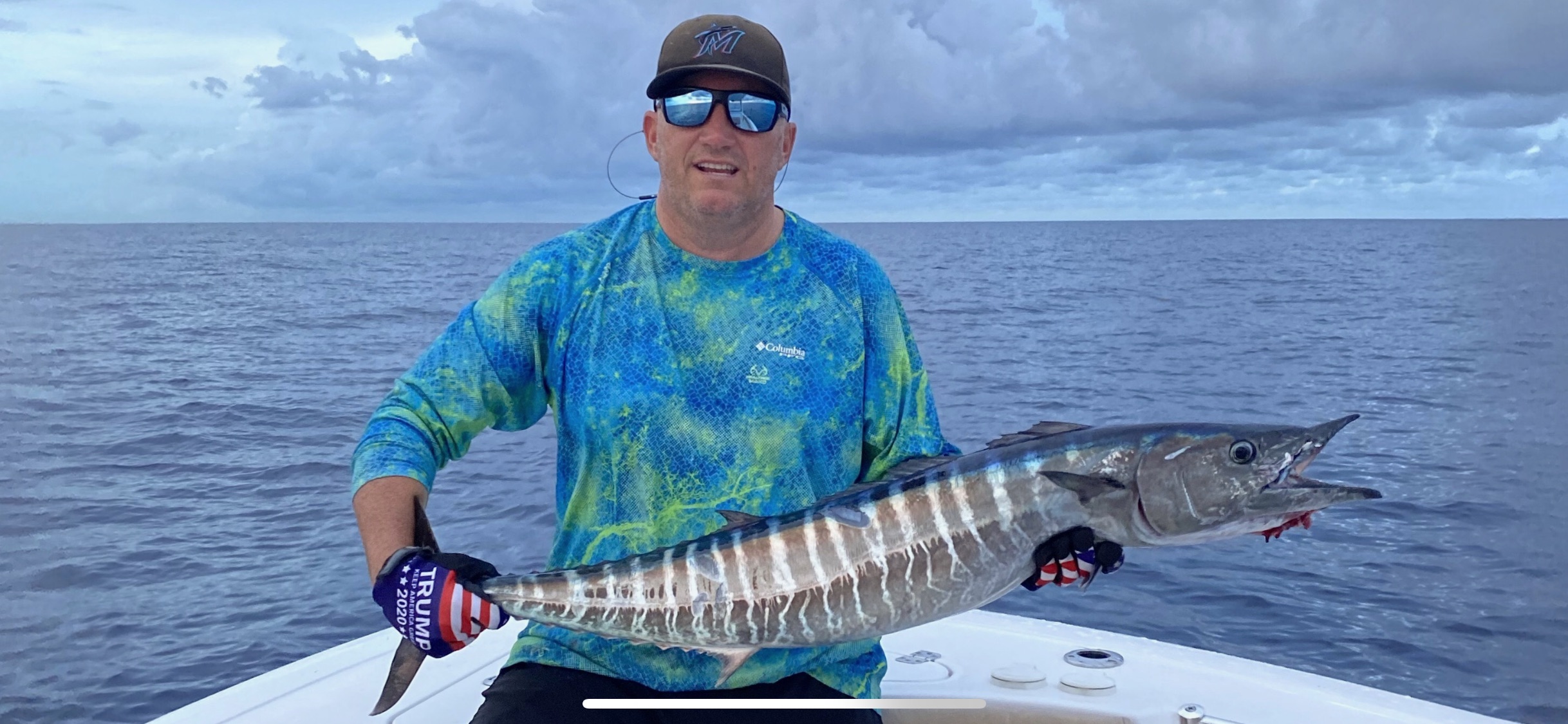
A child’s first tug on a fishing line can turn a regular family outing into the story they tell for years. The key is to prepare kids for a fishing trip with the same care you would give the tackle: keep expectations realistic, pack for Florida conditions, and choose a trip that gives them a real shot at steady action.
South Florida offers plenty of options for young anglers, from calm inshore water where a jack crevalle can put up a surprising fight to reef fishing for snapper and an offshore run for mahi-mahi. The right choice depends on your child’s age, comfort on the water, and attention span. A little planning before leaving the dock makes the day safer, easier, and much more fun for everyone aboard.
Start With the Right Trip Length
For most first-time young anglers, a half-day charter is the smart place to start. Four hours gives kids enough time to learn how to hold a rod, watch the bait, feel a bite, and land a fish without turning the day into an endurance test. A morning departure is often best because temperatures are cooler, seas can be calmer, and kids are usually at their best before the afternoon heat builds.
A three-quarter-day or full-day trip can be a great fit for older kids who already love fishing, are comfortable on boats, and want to target bigger offshore fish. But longer is not automatically better. A tired child who has skipped lunch or started feeling seasick will not care whether the sailfish bite is heating up.
When booking, be upfront about your kids’ ages and fishing experience. An experienced local captain can plan around the conditions and recommend whether calm inshore fishing, reef action, or a nearshore offshore trip gives your family the best chance for a perfect day on the water.
Make the Day About Action, Not a Specific Trophy
Kids do not measure a fishing trip by the same standard as dedicated anglers. They remember the bait fish flashing in the livewell, a pelican making a close pass, the first hard pull on the rod, and the photo with a fish in their hands. A lively snapper, jack, blue runner, or small bonito can be every bit as exciting to a young angler as a fish that takes an hour to land.
Before the trip, explain that fishing means working with nature. Some days bring fast action. Other days call for patience, moving spots, or changing tactics. Avoid promising a giant fish. Instead, tell them the goal is to catch what is biting, learn something new, and enjoy the ride.
That mindset also helps when a fish gets away. Lost fish happen to everybody, including seasoned anglers. Treat it as part of the action: the fish won that round, and there is another bait going right back in.
Prepare Kids for a Fishing Trip With the Right Gear
On a guided charter, rods, reels, bait, tackle, safety equipment, and local know-how should already be handled. That means parents can focus on the personal items that make a child comfortable under the South Florida sun.
Dress kids in lightweight clothes that can get wet, with a long-sleeve performance shirt or sun shirt if possible. Closed-toe shoes with non-marking soles are usually a better choice than loose flip-flops, especially when the deck gets wet. Bring a light jacket or rain layer during months when an early shower or a breezy ride offshore is possible.
For a family trip, these items earn their place in the bag:
Reef-safe sunscreen, lip balm with SPF, sunglasses, and a hat with a secure fit
Plenty of water, plus familiar snacks that are easy to eat with clean hands
Any needed motion-sickness medicine, used exactly as directed and preferably before leaving the dock
A small towel, a dry change of clothes, and a zip-top bag for wet items
A camera or fully charged phone for photos, while keeping it safely stowed during the ride
Apply sunscreen before arriving at the dock and reapply it through the day. Sunburn can sneak up quickly on the water because sunlight reflects off the surface from every direction. A hat and long sleeves often do more work than a second coat of sunscreen.
Handle Motion Sickness Before It Starts
Seasickness is not a sign that a child is weak or not cut out for fishing. It can happen to anyone, particularly on an offshore run when the ocean has a little chop. Kids may not recognize the early feeling, so watch for quietness, yawning, sweating, a pale face, or complaints that their stomach feels strange.
A good night’s sleep, a light breakfast, fresh air, and looking toward the horizon can help. Avoid sending kids out on an empty stomach, but skip a heavy, greasy meal before the trip. If your child has a history of motion sickness, speak with their pediatrician or pharmacist well in advance about age-appropriate options.
Once on board, encourage them to stay outside, sit where the captain recommends during the ride, and focus on the water ahead rather than a phone or video game. The boat ride is part of the adventure, but there is no need to force a child to stand up front and take the spray if they are uncomfortable.
Teach a Few Boat Rules Before Leaving the Dock
Children listen better when rules are explained before there is a rod bent over or a fish flashing beside the boat. Keep the conversation short and practical. They need to know to walk, not run; keep hands clear of hooks, lines, and the propeller area; listen when the captain gives instructions; and wear a properly fitted life jacket whenever required or recommended.
Let kids know that grown-ups or the captain handle sharp hooks, knives, gaffs, and larger fish. A fish can suddenly kick on deck, and even a small one has spines or teeth that deserve respect. They can help by passing a water bottle, watching a float, spotting birds, or holding the rod with guidance.
This is where a private charter makes a difference. The day can move at your family’s pace. Captain Jim Chiarenza and 4 J’s Fishing Charters can tailor the experience around beginners, explain each step clearly, and put young anglers right on the fish without expecting them to arrive as experts.
Give Kids a Job, Then Let Them Fish
A child who feels involved stays engaged. Even before their turn at the rod, they can watch the spread for a bite, help count down a lure, hold a net handle when directed, or keep an eye out for birds and bait schools. Those simple jobs teach them that fishing is more than waiting.
When it is time to fight a fish, keep instructions to one or two cues at a time: keep the rod tip up, reel when the rod comes down, and listen to the captain. Too much coaching can make a young angler freeze up. If the fish is strong, an adult can help support the rod while still letting the child feel the pull and take part in the catch.
Praise the effort, not just the result. A clean cast, a patient wait, or a careful release deserves the same encouragement as a fish in the cooler. That builds confidence for the next trip.
Plan for Breaks and Let Kids Set the Pace
Fishing has exciting bursts separated by quieter moments. Build in snack breaks, water breaks, and time to look around. Dolphins, sea turtles, flying fish, and boats passing the inlet can hold a child’s attention between bites. The goal is not to keep them fishing every second. It is to keep the day positive enough that they ask when they can come back.
If a child needs to sit in the shade, take a break from the rod, or head in earlier than expected, that is not a failed trip. It is good judgment. Finishing while they are still smiling is better than pushing through until they are overheated or miserable.
Before you leave Harvey E. Oyer Park, remind your kids that the next bite could be theirs. Then let the captain handle the boat, the tackle, and the game plan while your family enjoys the kind of South Florida fishing day that starts with curiosity and ends with a story worth bringing home.


Comments