


Kingfish Fishing in Boynton Beach Waters
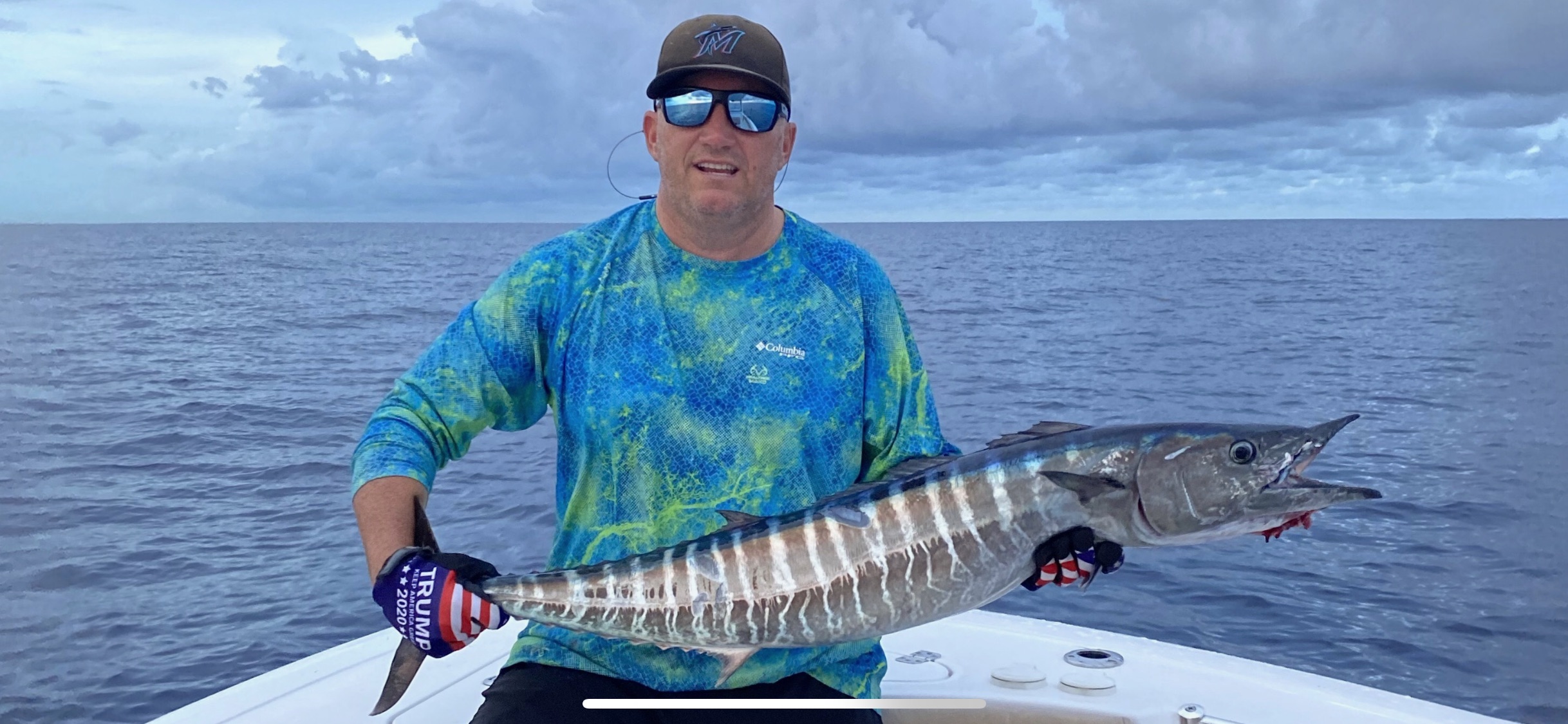
A kingfish strike off Boynton Beach does not feel subtle. One second, a live bait is swimming behind the boat. The next, the reel is screaming and someone is grabbing the rod with both hands. That fast, hard-running action is what makes kingfish fishing one of the best choices for families, first-time offshore anglers, and serious light-tackle fishermen looking for a real South Florida fight.
King mackerel, commonly called kingfish, are built for speed. They patrol local reefs, wrecks, ledges, and current lines in search of baitfish, often within a short run of the inlet. With the Gulf Stream close to shore, a Boynton Beach charter can spend less time riding and more time getting baits in the water where the fish are feeding.
Why Kingfish Fishing Delivers Fast Action
Kingfish are not usually interested in inspecting a bait for long. When they are actively feeding, they hit with authority, often making a blistering first run that puts every angler on alert. They also travel in areas where other desirable species may be nearby, including mahi-mahi, sailfish, tuna, bonita, and wahoo.
That makes a kingfish trip especially fun for mixed groups. A seasoned angler can appreciate the details of presenting a live bait in clear water and managing a hot fish near the boat. A beginner gets an immediate lesson in setting the hook, keeping pressure on a running fish, and working as part of a crew.
The trade-off is that kingfish have sharp teeth and can cut an unprepared rig in a second. Good tackle matters, but presentation matters just as much. Heavy terminal gear may prevent bite-offs, yet it can also make a wary fish less likely to commit. The right setup depends on water clarity, bait size, current, and how aggressively the fish are feeding that day.
When to Target Kingfish Off Boynton Beach
Kingfish can be caught in South Florida during much of the year, but fall and spring are standout times. Seasonal bait migrations bring schools of pilchards, threadfin herring, sardines, and other forage along the coast. Wherever that bait stacks up, kingfish are rarely far behind.
In the fall, cooling water and moving bait can create excellent action around local reefs and nearshore structure. Spring can be just as exciting as fish push through the area in numbers. Winter days also produce opportunities, especially when conditions line up around clean water, moving current, and available bait.
Summer kingfish fishing can be productive too, particularly early in the morning when bait is active and the sun is not yet high overhead. On a summer offshore trip, it is common to keep an eye out for larger pelagic fish while kingfish baits work near a reef edge or current break.
Conditions matter more than a date on the calendar. Captain Jim watches water color, current direction, bait activity, wind, sea state, and recent catches before deciding where to start. A calm morning may call for working a particular reef line with live baits. Another day may require covering water along deeper structure until the first hard strike reveals where the school is holding.
The Best Baits and Methods for Kingfish
Live bait is hard to beat for kingfish. A healthy pilchard, goggle eye, threadfin, blue runner, or similar local baitfish creates the natural movement that draws a king’s attention. The goal is not simply to drag a bait behind the boat. It is to let that bait swim naturally at a depth and speed that matches the conditions.
Slow trolling is one of the most productive approaches. Baits may be set at different distances and depths to find the zone where fish are feeding. A bait near the surface can get blasted when kingfish are skying on schools of bait. Another may be fished deeper near the edge of a reef, wreck, or ledge where bigger fish are holding.
Wire leaders are commonly used because kingfish teeth are capable of slicing through standard monofilament or fluorocarbon. But the amount and style of wire should fit the bite. When fish are aggressive in stained water, a stronger, more visible rig may be no problem. In clean, calm water with pressured fish, a lighter presentation can make a difference.
Dead baits and artificial lures have their place, especially when covering water or when live bait is limited. A properly rigged ribbonfish, cigar minnow, or trolling lure can draw strikes. Still, when kings are keyed in on live local bait, the real thing usually gives anglers the best shot at immediate action.
What Happens After the Strike
The first run is only the beginning. Kingfish often race away from the boat, then change direction or make another burst near the surface. Keep the rod tip up, maintain steady pressure, and resist the urge to reel too fast when the fish is taking line.
As the fish gets close, the captain and crew will guide the final moments. This is where many kingfish are lost. A fish can make one last dive, shake its head, or cut the leader against its own teeth. Staying calm, following direction, and letting the rod do its job gives your crew the best chance of bringing it alongside.
Where Kingfish Hold Near Boynton Beach
Kingfish relate to food and structure. Offshore reefs, wrecks, ledges, and sharp depth changes are reliable places to begin because they concentrate bait and create current breaks. Fish may also show around schools of bait on the surface, particularly when birds are working overhead or bait is spraying out of the water.
South Florida’s close offshore access is a major advantage. Productive water can be only a few miles from shore, which is valuable on a half-day charter when every minute counts. Rather than spending most of the trip in transit, anglers can get baits deployed quickly and adjust as the bite develops.
There is no single spot that produces every day. Kingfish move with bait, weather, current, and water temperature. Local knowledge is about recognizing those changes, knowing which areas are likely to reload, and making the call to stay with a developing bite or move to a new piece of structure.
What to Bring for a Kingfish Charter
A guided trip keeps the process simple. At 4 J’s Fishing Charters, professional-grade rods, reels, tackle, and the local know-how to rig and fish them are included, so guests can focus on the fun part: getting right on the fish.
Bring sun protection, polarized sunglasses, a hat, comfortable non-slip footwear, and a light layer for the morning ride. Keep your phone or camera ready, but secure it when the action starts. A kingfish bite can happen without warning, and the best photos come after the fish is safely in the boat.
If you are prone to motion sickness, prepare before departure rather than waiting until you are offshore. The right trip length also matters. A half-day trip can be ideal for families and first-time visitors who want a concentrated offshore experience. A three-quarter-day or full-day trip gives the crew more time to chase changing conditions and mix kingfish fishing with other target species.
Handle the Catch the Right Way
Kingfish can make excellent table fare when handled well. If you plan to keep a legal fish, getting it iced quickly helps preserve quality. Fresh kingfish is often grilled, smoked, blackened, or prepared as fish dip, though the best preparation depends on the size of the fish and how fresh it stays from deck to kitchen.
Not every kingfish needs to come home. Releasing fish in good condition is part of protecting the fishery, especially when a catch is outside the current size or bag rules. Regulations can change, so a knowledgeable charter captain checks the applicable rules before the trip and helps guests make responsible decisions on the water.
A trophy-sized kingfish is also worth photographing properly. Support the fish horizontally when possible, keep the moment quick, and listen to the crew before lifting it. If a memorable catch is destined for a mount, clear photos and accurate measurements help preserve the story long after the day on the water.
The best kingfish days are rarely just about one fish. They are about the first reel screaming, the crew calling out a strike, and a family or group of friends realizing they are part of a real offshore moment. Show up ready to listen, keep your eyes on the baits, and be prepared: the next run can happen when you least expect it.


Comments