


Offshore Kid Safety for South Florida Families
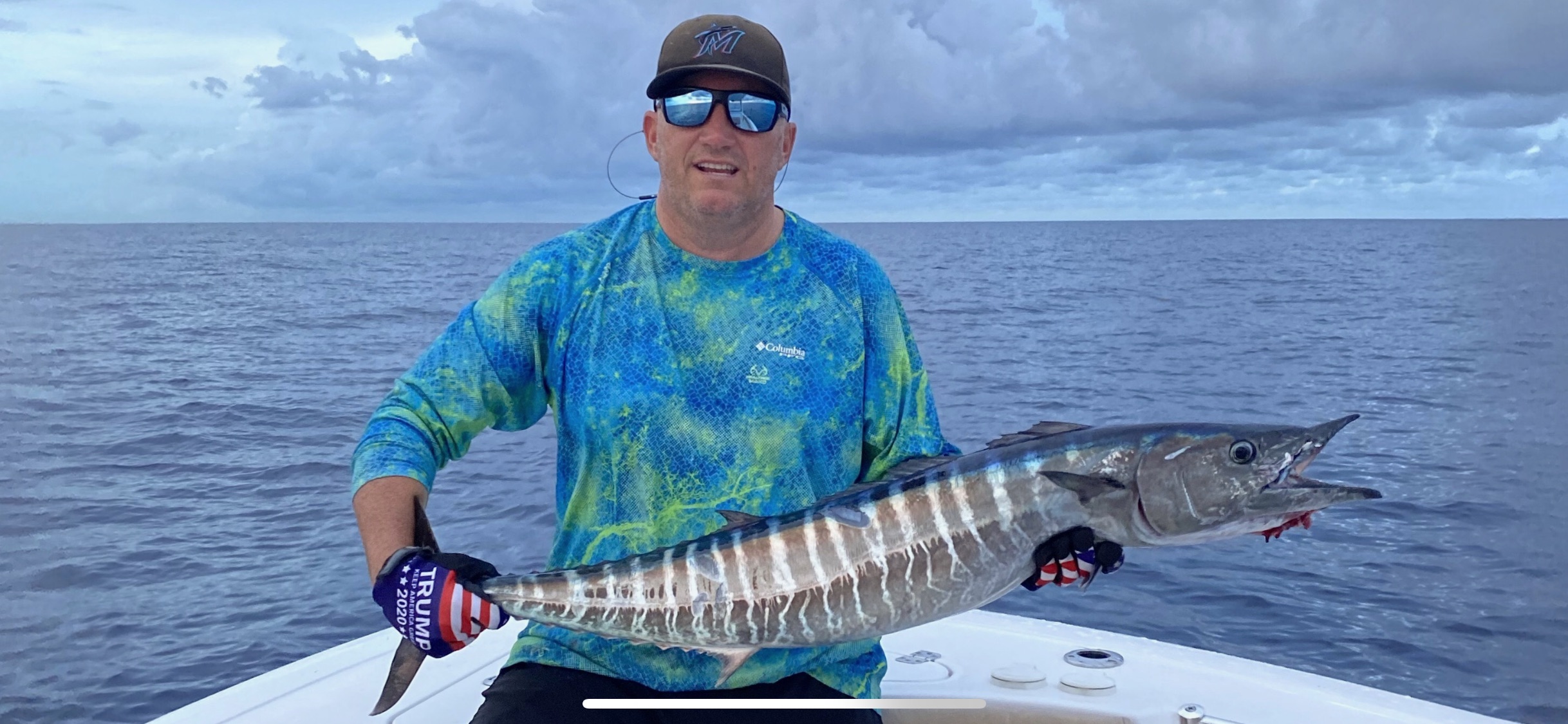
A child’s first offshore bite can turn into the story they tell for years: a mahi-mahi flashing beside the boat, a kingfish making a fast run, or a sailfish appearing in clean blue water just a few miles off Boynton Beach. Offshore kid safety is what lets the whole family enjoy that moment without rushing, worrying, or guessing what comes next.
A good family fishing trip is not about pushing kids to fish hard all day. It is about choosing the right conditions, setting clear expectations before leaving the dock, and having an experienced captain who keeps the boat organized when the action starts. Offshore fishing is exciting, but it also comes with sun, motion, tackle, changing weather, and fish that do not always cooperate. Planning for those realities makes the day far more fun.
Offshore Kid Safety Starts Before the Boat Leaves
The best time to make a safe decision is on land. Parents should be honest about each child’s age, comfort around water, and ability to follow directions. A confident 10-year-old who listens closely may be ready for offshore action, while an older child who gets motion sickness or is uneasy on a moving boat may have a better first experience in calmer inshore water.
There is no single age that automatically makes a child ready for an offshore charter. Conditions matter just as much. A calm forecast, a shorter run, and a half-day trip can be a great fit for a first-time young angler. Bigger seas, strong wind, or a long run to the fish can change the plan. An experienced local captain watches the forecast and knows when the ocean is likely to be comfortable and when a family is better served by postponing or choosing another type of trip.
Before booking, tell the captain how many children are coming, their approximate ages, and whether anyone has had seasickness before. That conversation helps shape the right departure time, trip length, fishing plan, and expectations for the day. Offshore access near Boynton Beach can be quick thanks to the Gulf Stream, but offshore conditions still deserve respect.
Pack for comfort, not clutter
Bring a hat that stays on, polarized sunglasses with a strap, sunscreen, light long-sleeve clothing, snacks, and plenty of water. Closed-toe, non-slip shoes are the right call on a center-console boat. Loose sandals can slide, and bare feet do not mix well with wet decks, hooks, and fishing gear.
If motion sickness is a concern, address it before leaving the dock. Ask a child’s health care provider or pharmacist about age-appropriate options well ahead of the trip. Eating a light meal, staying hydrated, looking toward the horizon, and getting fresh air can also help. Once a child feels sick offshore, it is harder for them to enjoy the fishing.
Life Jackets Are Part of Offshore Kid Safety
Every child should have a properly fitted, U.S. Coast Guard-approved life jacket available and ready to wear. On a family trip, the simplest approach is also the safest: kids wear their life jackets throughout the outing, especially while the boat is underway, moving around the deck, or fishing near the rail.
A life jacket only works when it fits. It should be snug enough that it cannot slip over the child’s head, while still allowing them to sit and move comfortably. Parents should check the fit before departure, not after the boat has left the inlet. Follow the captain’s instructions and all applicable boating rules for children’s flotation devices.
Kids also need to understand that running, climbing on seats, leaning over the side, and moving around during a run are not part of the day. These rules do not take away from the adventure. They make it possible for everyone to focus on the fish when the lines go tight.
Set Fishing Rules Before the First Bite
Offshore fishing equipment is built to handle powerful fish. That means sharp hooks, heavy sinkers, leader material, gaffs, knives, and rods under serious pressure. Children can absolutely take part, but they should know which jobs belong to them and which jobs belong to the adults and captain.
Before lines go in, explain the basics in plain language. A child should keep hands clear of hooks and leader lines, ask before touching any rod or fish, and stay in the designated spot when someone is fighting a fish. If a fish runs, the rod can pull hard and fast. The captain can help position the child, adjust drag, and decide when an adult should assist.
For younger anglers, catching the fish is only one part of the experience. They can watch the spread, help spot birds or floating debris, hold a rod with assistance, take photos, and learn why certain baits attract mahi-mahi, tuna, kingfish, or snapper. A skilled captain keeps them involved without putting them in the middle of a hectic moment.
When the fish comes alongside the boat, give the captain room to work. This is where excitement can make kids forget the rules. Fish can thrash, hooks can swing, and a big catch may need to be secured quickly. Let the crew handle that final stage, then bring the child in for a safe photo when the captain says it is ready.
Choose the Right Trip for Your Family
A full-day offshore trip can be a great experience for dedicated anglers, but it is not automatically the best choice for every child. For many families, a half-day trip is the sweet spot. It gives kids time to fish, learn, eat a snack, and enjoy the ride without asking them to stay focused for too long.
A three-quarter-day trip may fit older children who already know they enjoy boating and want more time targeting offshore species. Full-day trips make sense when the family is comfortable on the water, conditions are favorable, and the goal is a more serious fishing day.
It also depends on the season and the target fish. Some days, the action starts quickly. Other days, fishing requires patience and a little more running. The right captain will be straight with you about what the day may look like and adjust the plan to the group’s experience level where conditions allow.
For families with very young children, first-time boaters, or anyone unsure about open-ocean movement, inshore fishing may be the better introduction. Calmer water, shorter runs, and steady action around the Intracoastal can build confidence before the family heads offshore another day. The goal is not just a catch. It is making sure kids want to come back.
Sun, Weather, and Water Awareness
South Florida sun is no joke, even when there is a breeze offshore. Apply sunscreen before boarding and reapply as needed. A long-sleeve performance shirt, hat, and sunglasses provide protection that sunscreen alone cannot. Keep water within easy reach and remind kids to drink before they say they are thirsty.
Weather is another reason to book with a captain who knows these waters. Conditions can change, and a quality fishing day is never worth forcing through rough seas or building storms. A captain’s call to adjust the route, return early, or reschedule is a safety decision, not a disappointment.
Parents can help by keeping an eye on their children rather than assuming a quiet moment means everything is fine. Watch for signs of dehydration, fatigue, sun exposure, or seasickness. A shaded break, water, a snack, or a few minutes away from the rods can reset a child’s whole day.
Make the First Offshore Trip a Win
Kids remember how a trip felt more than how many fish went in the cooler. Let them celebrate a small fish, ask questions, take pictures, and enjoy the ride. Avoid putting pressure on them to reel in the biggest catch or stay at the rail when they need a break.
At 4 J’s Fishing Charters, Captain Jim’s local experience, professional-grade tackle, and personalized approach help families spend less time figuring things out and more time fishing. The crew can put anglers right on the action while keeping first-timers comfortable with clear instruction and a plan suited to the day.
The perfect day on the water may be a hard-fighting mahi-mahi, a colorful snapper, or simply hearing your child say they want to go fishing again. Start with the conditions, trip length, and safety plan that fit your family, then let the offshore experience do the rest.


Comments