


Sailfish Fishing Trips from Boynton Beach
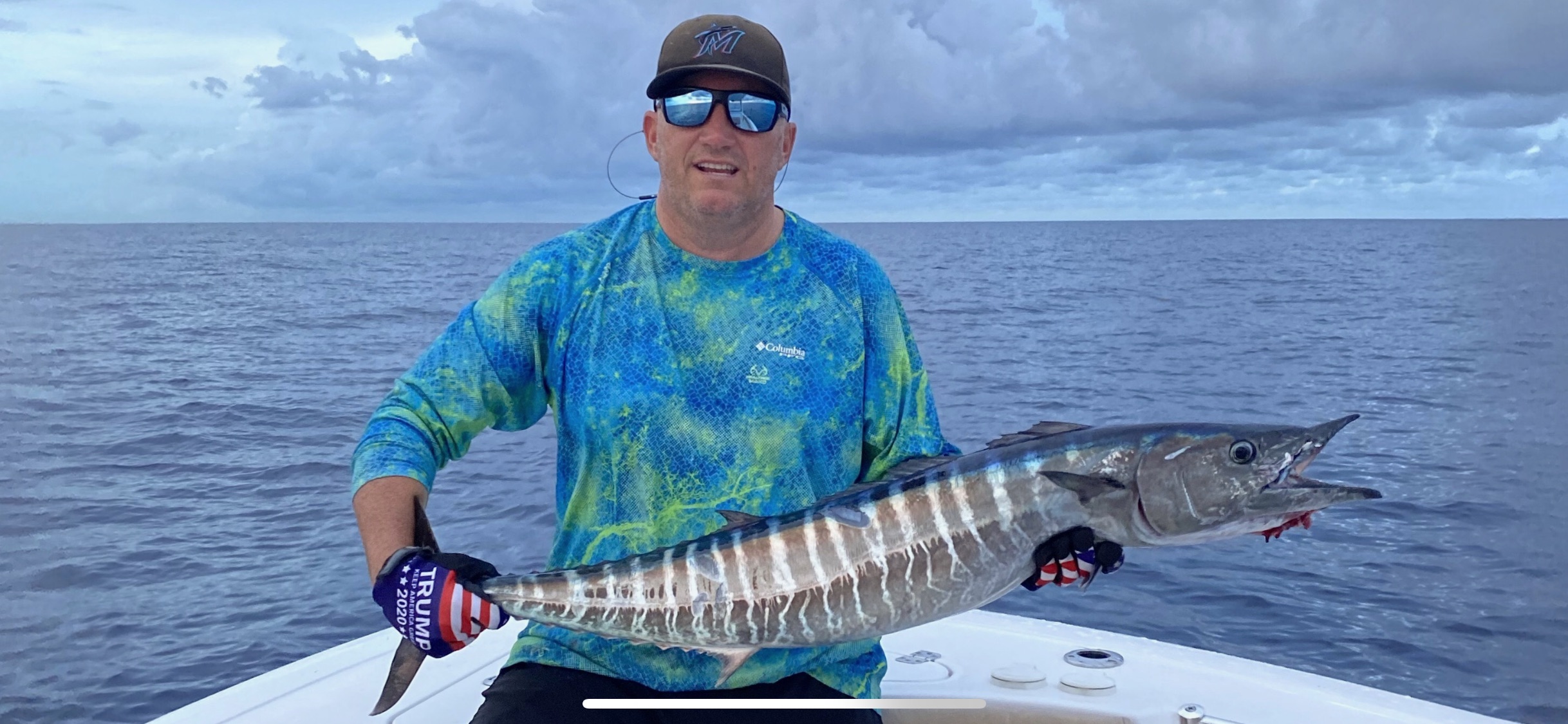
Few bites in South Florida compare to sailfish fishing. One moment, a live bait is swimming cleanly behind the boat. The next, a sailfish is grayhounding across the surface with its bill shaking and its dorsal sail lit up. From Boynton Beach, the Gulf Stream runs close to shore, which means the run to blue water can be surprisingly short when conditions line up.
Sailfish are a bucket-list fish for visitors and a seasonal obsession for local anglers. They are fast, acrobatic, and smart enough to make every hookup feel earned. A good day is not only about finding fish. It is about watching the wind, current, water color, bait activity, and the subtle changes that put a spread in front of a feeding sail.
Why Boynton Beach Is Built for Sailfish Fishing
Palm Beach County sits in a prime position for offshore action. The Gulf Stream pushes warm, blue water close to the coast, often just a few miles from the inlet. That proximity matters on a half-day or three-quarter-day charter because more time can be spent fishing productive water instead of making a long run offshore.
Sailfish travel along current edges, temperature breaks, and bait-rich water. They may hold near schools of ballyhoo, pilchards, cigar minnows, or other forage, especially where a north current and east wind create the right setup. Some days the fish are tight to the beach. Other days, the better action may be farther out along a defined color change or an active edge.
That is why local knowledge makes a difference. The same ocean can fish completely differently from one day to the next. Captain Jim Chiarenza has spent decades reading these South Florida waters, from current direction and sea conditions to the birds and bait that point toward a real opportunity.
When to Fish for Sailfish Off Palm Beach County
Sailfish can be caught in South Florida throughout the year, but the most consistent action generally arrives with cooler weather, stronger north winds, and moving water. Fall through spring is the traditional sailfish season, with late fall and winter often producing the conditions many anglers hope for.
A hard north or northeast wind can push bait down the coast and concentrate fish along the current line. Those are the days when a spread of live baits may get attention quickly. However, rougher weather is not automatically better for every crew. Families with young anglers or guests new to offshore fishing may prefer a calmer forecast, even if the bite is less dramatic.
Spring can also bring excellent opportunities, particularly when bait is present and the water has a clean edge. Summer sailfish are possible too, often while targeting mahi-mahi, tuna, kingfish, or wahoo offshore. The best timing depends on your goal: maximizing seasonal sailfish odds, enjoying comfortable weather, or building a mixed-species day around what is biting.
The Live-Bait Advantage
South Florida sailfish are often targeted with live bait because a healthy bait swimming naturally is difficult for a billfish to ignore. The setup may include ballyhoo, goggle-eyes, pilchards, threadfin herring, or other locally available bait. The captain chooses the spread based on conditions, bait supply, and how the fish are showing that day.
Live-bait fishing is active. Baits are watched closely, lines may be repositioned, and the crew stays ready for a fish to appear behind the boat. Sailfish frequently tease an angler first. You may see a fish tracking a bait, flashing its sides, or raising its sail before it eats.
When that happens, patience is part of the technique. The angler needs to let the fish take the bait properly before coming tight. Setting the hook too quickly can pull the bait away. Waiting too long can let the fish drop it. On a guided trip, guests get clear instruction in the moment, which is especially valuable for first-time billfish anglers.
What a Sailfish Bite Feels Like
The first run is usually unforgettable. After the fish is hooked, it may jump repeatedly, change direction, and use its long bill to shake free. An experienced angler knows the fight is not over when the fish stops jumping. Sailfish can make fast runs close to the boat, and proper rod pressure matters all the way through the release.
A good captain and crew will coach the angler through every stage: keeping the rod angle right, reeling when the fish comes toward the boat, and applying steady pressure without overworking the fish. Beginners do not need to arrive with offshore experience. They need to listen, stay engaged, and be ready when the bite comes.
Sailfish are generally treated as a catch-and-release target. A quick, careful release protects the fish and gives another angler the chance to experience that same incredible fight. Photos can be taken efficiently alongside the boat when conditions allow, without turning a release into a long delay.
Choosing the Right Charter Length
A half-day trip can be a great fit for families, visitors with limited time, and anglers who want a focused offshore experience. With the Gulf Stream close to Boynton Beach, there is a realistic opportunity to reach sailfish water without committing an entire day.
A three-quarter-day trip gives the captain more room to work. If the first area is quiet, there is time to check another edge, follow a better current line, or combine sailfish efforts with mahi-mahi, kingfish, tuna, or reef fishing. For anglers specifically chasing a sailfish, that extra time can be worthwhile.
A full-day trip is the best option when you want the most flexibility. Weather, current, bait, and fish movement are never fully predictable. More time on the water means more chances to adjust the plan instead of forcing the day into a short window.
What to Bring and What Is Already Covered
On a private charter, the gear should not be the guest's problem. At 4 J’s Fishing Charters, professional-grade rods, reels, terminal tackle, and the equipment needed for the planned trip are included. That lets experienced anglers focus on the fishing and allows first-timers to step aboard without buying a pile of gear beforehand.
Bring sun protection, polarized sunglasses, a hat, comfortable non-marking shoes, and a light jacket if the forecast calls for wind or cool morning temperatures. Pack water and snacks according to your trip plan. If anyone in the group is prone to motion sickness, take precautions before leaving the dock rather than waiting until the boat is offshore.
Polarized sunglasses are more useful than many people realize. They cut glare, make it easier to spot bait and fish near the surface, and help anglers see what is happening during a close-range bite. A camera or phone is welcome, but keep it secure. Sailfish action tends to happen when nobody expects it.
A Better Day for Every Skill Level
The best sailfish trip is not always the one with the biggest sea or the most complicated spread. For a serious angler, the goal may be a dedicated live-bait presentation in prime winter conditions. For a family, the right plan may be a comfortable offshore trip that keeps the crew engaged with kingfish, mahi-mahi, snapper, or other action while staying ready for a sailfish.
That flexibility is the advantage of a private charter. The plan can match the weather, the season, and the people on board. A first sailfish is exciting whether you are eight years old or eighty, and the right captain makes sure everyone has a role when that blue-water moment finally arrives.
Watch the forecast, come ready to learn, and let the conditions guide the day. When a sailfish appears in the spread off Boynton Beach, all the preparation turns into the kind of story your crew will be telling long after the boat returns to the dock.


Comments