


Boynton Beach Inshore Fishing Guide for Better Bites
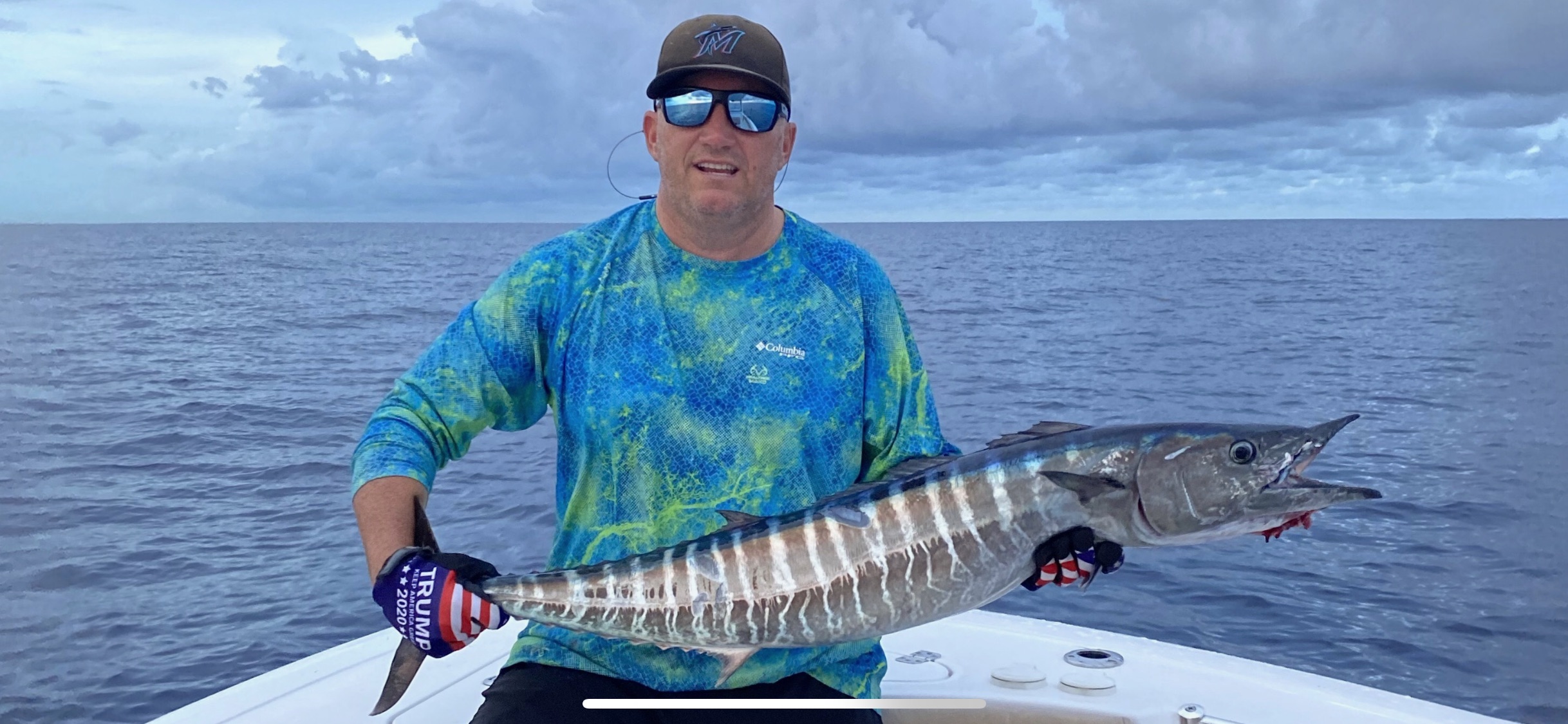
The first hard run can happen fast around Boynton Beach. One minute a live bait is working along a bridge shadow or seawall, and the next a snook, jack, or tarpon is headed for structure. That is what makes a Boca Raton inshore fishing guide useful: success here is less about running far and more about being in the right spot when the tide, bait, and fish line up.
Inshore fishing is a great fit for families, first-time anglers, visiting groups, and experienced fishermen who want a hands-on light-tackle day. South Florida offers fishable water through every season, but conditions change quickly. A captain who knows the local current, wind direction, bait movement, and productive structure can spend less time searching and more time putting guests right on the fish.
What Counts as Inshore Fishing Near Boynton Beach?
Inshore fishing generally takes place in protected or nearshore waters rather than out on the open ocean. Around Boynton Beach and nearby Palm Beach County, that can mean the Intracoastal Waterway, bridge pilings, seawalls, dock lines, mangrove edges, inlets, and calmer bays and channels.
These waters hold fish because they provide current, cover, bait, and ambush points. A bridge can concentrate baitfish during a moving tide. A dark pocket under a dock may hold a snook waiting for an easy meal. A wind-blown shoreline can suddenly come alive with jacks crashing mullet or pilchards.
The ride is often more protected than an offshore trip, which makes inshore fishing a strong choice when younger anglers are coming along or when guests prefer to stay closer to shore. That said, protected water does not mean easy fishing. Accurate casts, quiet boat handling, and a good read on the tide matter.
Fish You Can Target Inshore
A Boynton Beach inshore fishing guide should start with realistic expectations. The exact target depends on the season, water temperature, tide, weather, and what bait is present that day. Some trips focus on a specific species, while others are built around catching the most active fish available.
Snook
Snook are a local favorite for good reason. They hit hard, use structure to their advantage, and make every cast around a dock or bridge feel serious. They are often targeted around moving water, especially near seawalls, inlets, bridge pilings, and shaded cover. Snook fishing can be excellent throughout much of the year, although seasonal closures and regulations affect whether fish can be kept.
Tarpon
Tarpon bring a different kind of excitement. They are powerful, acrobatic, and capable of turning a quiet morning into a full-on battle. Migrating tarpon can be a spring highlight, but resident fish may be found at other times around deep channels, bridges, and areas holding bait. Tarpon are generally catch-and-release, so the goal is the fight, the jump, and a careful release.
Jack Crevalle
When jacks are feeding, there is no mistaking it. They often attack bait on the surface and hit lures or live bait with real force. Jack crevalle are great for anglers who want action, especially kids and first-time guests who would rather keep rods bending than wait for one careful bite.
Snapper, Ladyfish, and More
Mangrove snapper can show up around docks, pilings, and nearshore structure, providing both a quick bite and, when regulations allow, excellent table fare. Ladyfish, bluefish, barracuda, lookdowns, and other seasonal visitors can also keep a trip lively. On certain days, the best plan is to start with the fish that are biting fast, then shift toward a more selective target once everyone has settled into the rhythm.
Tides Matter More Than the Clock
A beautiful, flat morning is nice, but moving water often matters more than the time printed on the booking calendar. Inshore predators use tidal current to move bait into predictable places. The strongest bite may happen on the first part of an incoming tide, the outgoing push around a bridge, or a brief window before the current slows.
Slack tide can still produce fish, but it often calls for a different approach. A captain may switch spots, use a quieter presentation, fish deeper water, or work areas where wind creates enough current to move bait. There is no single tide that wins everywhere. The right tide depends on the spot and the species being targeted.
Wind also plays a major role. An east wind can make open water choppy while leaving some protected inshore areas very manageable. A strong cold front may slow a shallow bite but create an opportunity in deeper channels. Local knowledge helps turn changing conditions into a workable plan instead of a wasted day.
The Best Time of Year to Fish Inshore
There is no off-season for anglers willing to adapt in South Florida. The species and patterns shift, but there is usually a reason to get on the water.
Spring is known for warming water, active bait, and the chance at tarpon, snook, jacks, and a mixed bag of fish. Summer mornings can be productive before afternoon heat and storms build. Early starts are especially smart during the hottest months, when fish may feed more aggressively around sunrise and moving water.
Fall often brings excellent bait movement and strong action from jacks, snook, and other predators. Winter can offer calmer, comfortable fishing days, though cold fronts may change the pattern from one week to the next. Cooler conditions can make deeper docks, channels, and protected structure more important.
If you have a species in mind, ask about its current pattern before booking. If your main goal is a fun day with plenty of chances to catch fish, flexibility is your advantage.
What to Bring for a Boynton Beach Inshore Charter
A professionally guided trip keeps the gear simple. Quality rods, reels, terminal tackle, and bait should be ready when the boat leaves the dock, so guests can focus on fishing instead of sorting through equipment. Bring polarized sunglasses if you have them, along with sunscreen, a hat, comfortable non-marking shoes, water, and any snacks you want for the trip.
Dress for sun and spray. A lightweight long-sleeve shirt is often more comfortable than a heavy layer of sunscreen alone. In cooler months, pack a light jacket for the early ride. If you are prone to motion sickness, take your preferred remedy before departure, even though inshore water is typically calmer than offshore water.
Most important, tell the captain who is coming and what kind of day you want. A trip for two serious anglers chasing snook around bridge pilings looks different from a family outing with young kids. The best charter plan is one built around the group, not a one-size-fits-all program.
How a Local Captain Helps You Fish Smarter
The difference between fishing and catching is often a few small decisions: which side of a bridge to fish, how far to place a bait from a seawall, whether to use a free-lined live bait or a jig, and when to move. Those choices come from hours on the water, not guesswork.
Captain Jim Chiarenza of 4 J’s Fishing Charters brings more than four decades of freshwater and saltwater experience to personalized trips leaving from Harvey E. Oyer Park in Boynton Beach. That departure point provides convenient access for Boca Raton anglers while keeping options open for both protected inshore fishing and offshore action when conditions and the group’s goals call for it.
For beginners, the value is instruction without pressure. You can learn how to cast, work a lure, set the hook, and fight a fish near structure. For experienced anglers, it is about getting a local read on what is working now and fishing productive water with professional-grade tackle already on board.
A Better Plan for Your Day on the Water
Inshore fishing rewards anglers who stay alert. Watch the birds, look for bait dimpling on the surface, notice current lines, and be ready when the captain says to cast. A missed bite is part of the game, but the next one may be only a few feet away.
When planning your trip, choose the experience you want most: a calm family outing, a light-tackle challenge around structure, or a species-focused day built around the current bite. Bring a good attitude, listen for the small details that make a presentation work, and let the conditions guide the plan. The right tide and one well-placed cast can turn a regular South Florida morning into the fish story everyone keeps telling.


Comments