


10 Family Fishing Trip Ideas for Boynton Beach
A family fishing day is better when the first rod bends before anyone has time to ask, “When are we getting there?” That is why the best family fishing trip ideas start with the water, the season, and the ages of the people onboard - not a one-size-fits-all plan. Around Boynton Beach, families can choose calm Intracoastal action, close-to-home reef fishing, or a Gulf Stream run for mahi, sailfish, tuna, and more.
A private charter takes the hard parts off your plate. There is no boat to fuel, no tackle to buy, no ramp routine to figure out, and no guesswork about where fish are holding. The captain handles the boat and puts the group right on the fish, while kids and first-time anglers get the coaching they need to enjoy every bite.
Family Fishing Trip Ideas That Fit Your Crew
The right trip depends on who is coming along. A six-year-old excited to catch anything with fins needs a different day than a teenager who wants a shot at a mahi-mahi, and grandparents may prefer a calmer ride with steady action. Start with the experience you want to share, then match it to the conditions.
1. Start with calm-water inshore fishing
For young children, first-time anglers, or anyone unsure about being offshore, inshore light-tackle fishing is often the right call. Protected water can offer a smoother ride and plenty to watch between bites. Tarpon, snook, jack crevalle, and other hard-fighting South Florida species can make a short cast feel like a major event.
Inshore trips also give a captain more flexibility. If one technique is slow, it is easier to move, change baits, or target a different edge, dock line, or channel. Kids stay engaged when they are casting, reeling, spotting wildlife, and hearing what is happening rather than waiting through a long run.
2. Fish the reefs for dinner and bragging rights
Reef fishing is a strong middle ground for families that want reliable action without committing to a long offshore run. Snapper, grouper, kingfish, and other reef species give anglers a real chance to catch fish that fight hard and may end up on the dinner table.
This option works especially well when the group includes a mix of beginners and experienced anglers. The captain can keep the tackle approachable for younger guests while still giving seasoned fishermen a serious shot at quality fish. Reef trips are also a good choice for families who want to learn how bottom fishing, live bait, and structure all work together.
3. Plan an offshore mahi-mahi mission
When the weather is right and your family is ready for more open-water action, offshore fishing can turn a vacation day into a story that gets told for years. Boynton Beach has a major advantage here: the Gulf Stream and productive offshore water are only miles from shore.
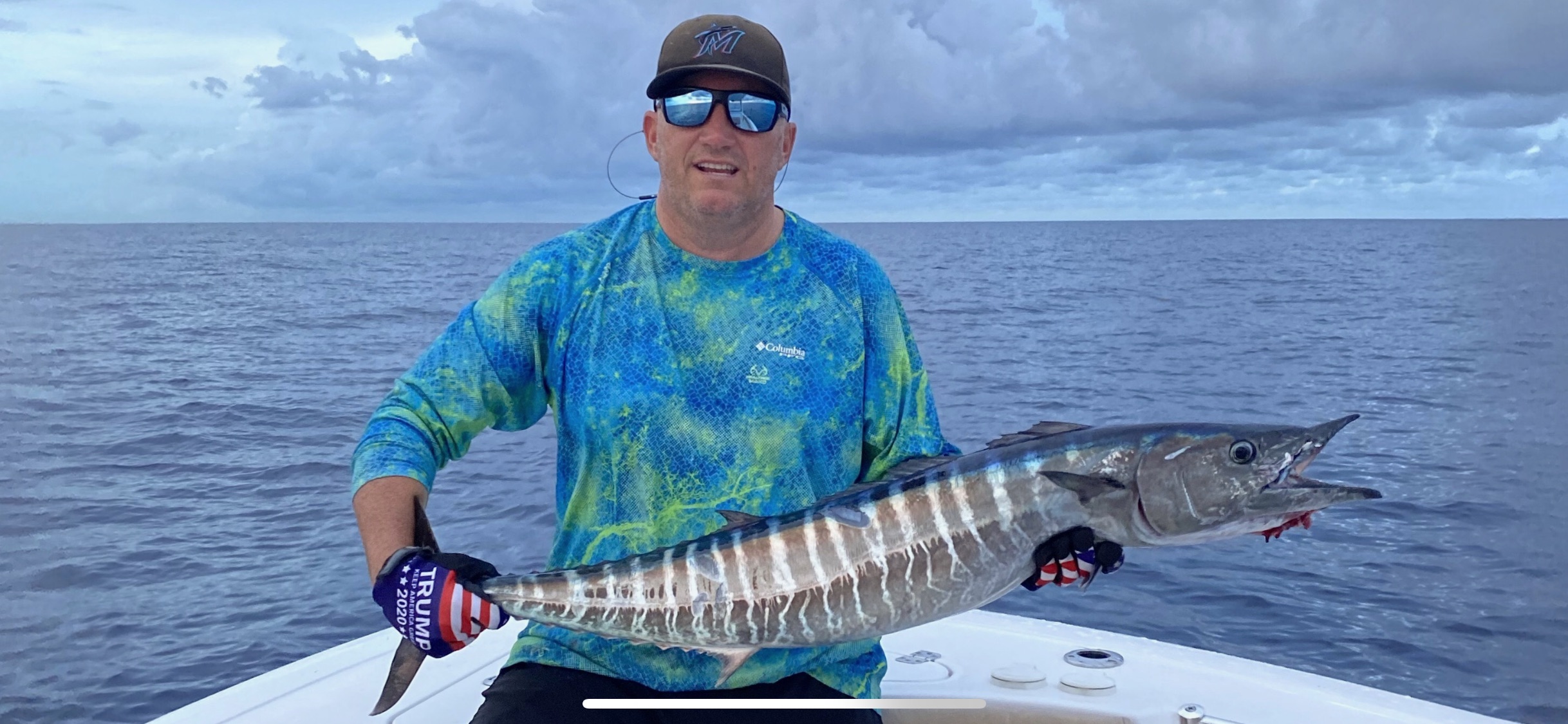
Mahi-mahi are a favorite family target because they are colorful, aggressive, and often travel in groups. One hookup can lead to several rods going off. Tuna, wahoo, sailfish, and kingfish may also enter the picture, depending on conditions and the time of year.
There is a trade-off. Offshore trips can be rougher than inshore or reef fishing, and a longer run means a group should be comfortable on a boat. If anyone is prone to motion sickness, plan ahead and tell the captain. A good day starts with realistic expectations, not toughing it out after the ride has already become uncomfortable.
4. Make it a kids-versus-adults challenge
A little friendly competition keeps a mixed-age group involved. Set simple categories before lines go in: first fish, most fish, biggest fish, best cast, or best release. Keep the prize lighthearted - the winner gets to choose lunch, pick the first photo spot, or claim temporary family bragging rights.
The key is not making every moment about the biggest catch. A child who lands a small snapper on their own may have just as big a victory as an adult who catches a larger fish. Captain-led trips are ideal for this because the crew can tailor rigs and techniques to each angler rather than handing everyone the same setup.
5. Book around the attention span, not the wish list
Half-day charters are often the sweet spot for families with young kids. There is enough time to get settled, catch fish, and enjoy the water without stretching the day past the point where hunger, heat, or fatigue takes over. A three-quarter-day trip gives a family more room to try different tactics or fish multiple areas.
A full day makes sense for serious anglers, older kids, and groups specifically chasing offshore species. More time gives the captain more options if the bite changes or weather moves fish. But longer is not automatically better. A happy, engaged four-hour trip usually beats an exhausted eight-hour trip.
How to Build a Better Family Fishing Day
The most successful trips are prepared without being overplanned. Let the captain focus on the fishing, but give him useful information before departure: the ages of your kids, each person’s experience level, whether anyone gets seasick, and whether you hope to keep fish for a meal or focus on catch-and-release.
Bring weather-appropriate clothing, sunscreen, hats, sunglasses, water, snacks, and any personal motion-sickness medication. Polarized sunglasses are especially helpful because they reduce glare and let everyone see bait, birds, and changes on the water. Avoid packing a mountain of gear. On a guided charter, professional-grade rods, reels, tackle, bait, and safety equipment should already be handled.
It also helps to explain the day to children before arriving at the dock. Fishing includes exciting moments, but it can include waiting, moving to a new spot, and watching the captain prepare bait. Tell them that their job is to listen, hold the rod when it is their turn, and be ready when the fish bites. That small conversation prevents a lot of frustration later.
Let every angler have a real turn
On a family boat, the loudest or most experienced person can accidentally take over. Set the expectation that everyone gets a chance to hold a rod, reel a fish, and take a photo. If a child needs help, let them do as much of the fight as they safely can. Feeling the pull, cranking the reel, and seeing the fish come alongside is what makes the memory stick.
Captain Jim and 4 J’s Fishing Charters can personalize the pace and target species around your crew, whether that means light-tackle action for beginners or an offshore day aimed at bigger South Florida game fish. That local knowledge matters when conditions shift and a captain needs to make a quick decision that keeps the day productive.
Choose the Right Season, Then Stay Flexible
South Florida fishing is productive year-round, but the best target can change with water temperature, bait movement, wind, and weather. Sailfish are a major cool-season draw. Mahi-mahi, tuna, and wahoo can provide offshore excitement at different points through the year. Snapper, grouper, kingfish, tarpon, snook, and jacks each have their own patterns and regulations.
Rather than building the day around one guaranteed species, build it around the kind of experience your family wants. Want steady bites and a comfortable ride? Inshore or reef fishing may be the better plan. Want the possibility of a fast, high-energy offshore bite? Pick a weather window and be ready to run.
A veteran local captain will make those calls based on the day in front of him, not a photo from last week. That is especially valuable for visiting families with one open day on their schedule. Flexibility gives you a better chance of fishing where the action is instead of forcing a plan that no longer fits the conditions.
Turn the Catch Into the Memory
Photos matter, but they do not need to interrupt the fishing. Get one quick picture of each angler with their catch, then let the fish be released or placed on ice according to the plan. Ask the captain which fish are good to keep and which should go back to fight another day. Respecting size and bag limits is part of showing kids what responsible fishing looks like.
Before heading home, have everyone name their favorite moment. It may be the biggest fish, but it might also be seeing a sailfish jump, spotting a sea turtle, or hearing the reel scream for the first time. The perfect day on the water is not measured only by pounds on the scale. It is measured by who is already asking when the family can go fishing again.


Comments