


When Should Anglers Book a Boynton Beach Charter?
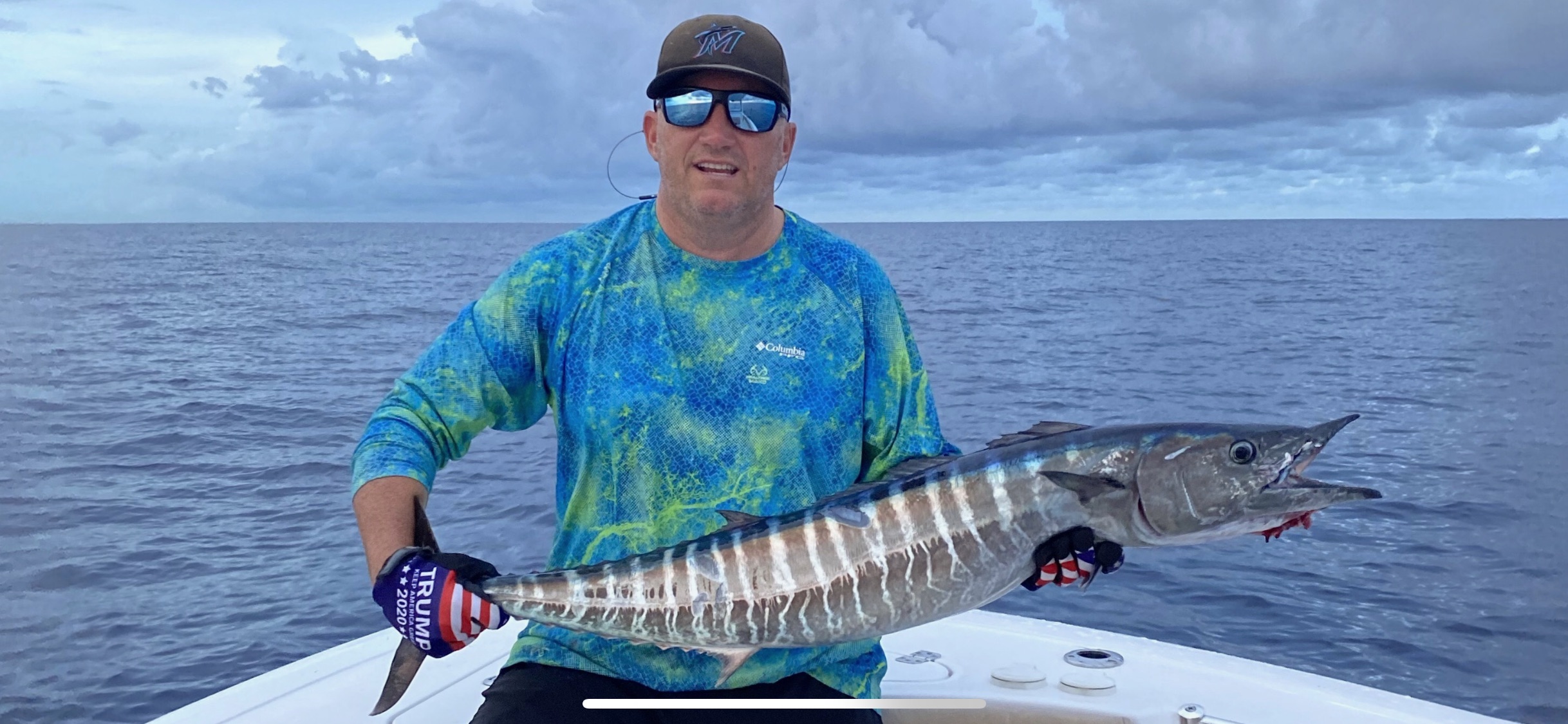
The best answer to when should anglers book a Boynton Beach fishing charter is usually earlier than they think, especially if they have a specific day, species, or group trip in mind. South Florida offers productive fishing all year, but the perfect day on the water depends on what you want to catch, how long you want to fish, and whether your schedule can move with the weather.
For some guests, the priority is a winter sailfish run offshore. For others, it is a summer mahi-mahi trip, a calm inshore outing with the family, or a full day chasing a fish worthy of a wall mount. Captain Jim uses local conditions, water movement, bait patterns, and the season to put guests right on the fish. Booking with a little lead time gives you more options to match the trip to the action.
When Should Anglers Book for Their Target Fish?
There is no true off-season for fishing out of Boynton Beach. The Gulf Stream runs close to shore, reef structure holds fish throughout the year, and the Intracoastal provides opportunities when offshore conditions are not the best fit. Still, certain species are more consistent during particular stretches of the calendar.
Winter for sailfish, kingfish, wahoo, and strong offshore action
Late fall through early spring is a favorite time for anglers looking for sailfish. Cool fronts, northeast winds, and moving bait can create exciting conditions along the reef edge. Kingfish are often active, and wahoo can make a fast pass through the spread when conditions line up.
This is also a busy period for visitors escaping colder weather up north. If you are coming to Palm Beach County between December and March and want a weekend charter, book several weeks ahead. Holiday weeks and long weekends can fill even faster.
Winter offshore trips are exciting, but they are not always calm. A front can bring wind and waves, so guests who are flexible with their dates have an advantage. If the ocean is rougher than your group wants, an inshore light-tackle trip may be the better call for the day.
Spring and summer for mahi-mahi, tuna, and family fishing
Spring brings warmer water, flying fish, ballyhoo, and one of the most anticipated targets offshore: mahi-mahi. These fish can show up in a range of sizes, from schoolies that are great for families to larger fish that make a memorable offshore catch. Tuna, kingfish, bonito, and jacks can add steady rod-bending action, too.
Summer is a strong choice for guests who want longer offshore runs, warm weather, and the chance at mahi, tuna, and deep reef species. Early departures are often the most comfortable option, particularly for families and first-time anglers. You can get lines in the water before the afternoon heat and the possibility of summer thunderstorms builds.
If a summer vacation date is locked in, reserve your charter as soon as lodging and flights are confirmed. A private boat is not something you want to leave until the last day of the trip, only to find that your preferred morning is already taken.
Fall for variety and changing patterns
Fall can be one of the most underrated times to fish Boynton Beach. Water temperatures begin to shift, bait starts moving differently, and offshore species can overlap. Mahi-mahi may still be available, while kingfish, sailfish, tuna, and wahoo opportunities start gaining momentum as cooler weather approaches.
For experienced anglers, fall is a good time to book around a weather window rather than a single must-have date. For visitors and families, it can also offer excellent fishing with less competition for charter dates than peak winter travel season.
Inshore opportunities throughout the year
Tarpon, snook, jack crevalle, and other light-tackle targets can provide plenty of action in protected water. Inshore fishing is a smart choice for younger anglers, guests who prefer calmer conditions, or groups with only a few hours available.
Fish behavior changes with tides, water clarity, bait, and seasonal rules. Snook and certain reef species may have harvest closures or size limits at different times of year, so a good charter focuses on responsible fishing as well as catching. If you have a specific species in mind, ask about current opportunities before choosing your date.
How Far Ahead Should You Reserve a Charter?
For a weekday with an open schedule, booking one to two weeks ahead may be enough. For a Saturday, Sunday, holiday, school break, or a group of six, aim for three to six weeks ahead. Guests traveling during Christmas, New Year’s, spring break, Memorial Day, July Fourth, and Thanksgiving should reserve even earlier when possible.
The right lead time also depends on the kind of trip you want. A half-day charter is great when you want fast action, have younger kids aboard, or need to fit fishing around other vacation plans. A three-quarter-day gives more room to work different depths and techniques. A full-day trip is the best choice when the goal is to reach farther water, spend more time looking for a particular bite, or give a serious offshore crew the full experience.
Do not assume a last-minute trip is impossible. Sometimes a weather shift, cancellation, or weekday opening creates an opportunity. But booking early means you can choose the trip length, departure time, and date that best suit your group instead of settling for whatever remains.
Book the Date, Then Watch the Forecast
Anglers often ask whether they should wait until they see a perfect forecast. That can work for locals with a flexible schedule, but it is not the best approach for most families or visitors. The better move is to reserve the date that fits your trip, then stay in touch as it gets closer.
Marine forecasts are useful, but conditions can change quickly. Wind direction, wave height, current, and thunderstorms matter more than a simple sunny icon on a weather app. A veteran local captain reads the real conditions and makes the call based on safety, comfort, and where the fish are likely to be.
Build a little flexibility into your plans if you can. Booking a charter near the beginning of a vacation gives you room to move to another day if weather becomes an issue. It also means you are not trying to squeeze a fishing trip into the final hours before a flight home.
Choose the Trip Around Your Group, Not Just the Fish
A hard-charging offshore trip can be perfect for a group chasing sailfish or mahi, but it is not automatically the best option for every crew. A family with small children may have more fun catching jacks, snapper, and other active fish on a shorter trip than spending hours running offshore in bumpy seas.
Be clear about who is coming aboard, their fishing experience, and what would make the day a success. First-time anglers often want instruction and steady action. Dedicated anglers may want to troll the edge, fish live bait, work a wreck, or spend more time offshore searching for a trophy. Both goals are valid, and both can shape the plan.
At 4 J’s Fishing Charters, the boat, professional-grade tackle, and local knowledge are ready for beginners and experienced anglers alike. The most useful information to share when booking is your group size, preferred dates, target species, and whether you want offshore, reef, or inshore fishing. That helps create a trip built for your crew instead of a one-size-fits-all day.
The Best Time to Book Is Before Your Best Date Is Gone
South Florida can produce a memorable catch in every season. The key is not chasing a calendar promise that one month will be perfect every day. It is choosing the season that best fits your target fish, reserving early enough to protect your preferred date, and leaving room for the captain to adjust to the water.
Whether the plan is a winter sailfish, a summer mahi-mahi run, a reef trip for snapper, or a light-tackle morning with the kids, book the day that gives your group the best chance to relax, fish hard, and enjoy the time together on the water.


Comments