


Charter Passenger Limits for South Florida Fishing
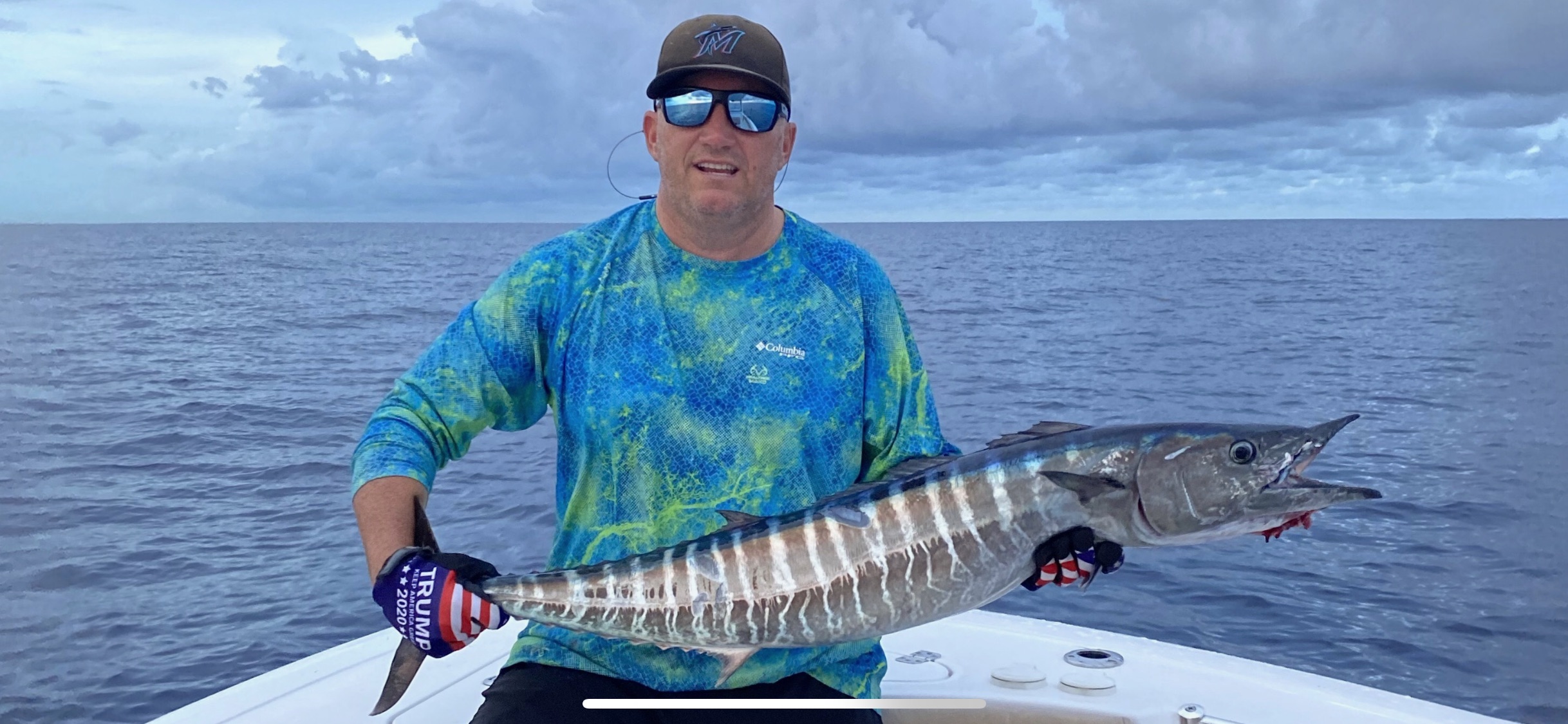
A great fishing day can get crowded fast when the group is larger than the boat is designed to fish comfortably. Charter passenger limits are not just a booking detail - they affect safety, casting room, ride comfort, and how much personal attention each angler receives when the bite turns on.
For a private Boynton Beach fishing charter, the right group size depends on the vessel, the type of trip, the experience level of your crew, and the conditions expected that day. A family with young kids may have a very different ideal setup than a group of seasoned anglers heading offshore to troll for mahi-mahi, wahoo, or sailfish.
How Charter Passenger Limits Work
Passenger limits are set to keep everyone safe on the water. A charter boat's legal capacity is based on its licensing, vessel type, safety equipment, and applicable Coast Guard requirements. On many smaller charter boats operating as six-passenger vessels, the maximum is six paying passengers, with the captain counted separately. That does not mean six people is always the best number for every trip.
The captain may recommend a smaller group based on the weather, the fishing plan, and who is coming aboard. Offshore fishing in a steady breeze is a different experience from working calm inshore water for snook, tarpon, and jack crevalle. A smaller group can give everyone more room to move, sit comfortably, and fish without lines crossing.
Always confirm the permitted passenger count when you book. Do not assume that a boat can take your full party simply because there are enough seats at the dock. The vessel's approved capacity is the number that matters.
Passengers, anglers, and crew are not always the same thing
When discussing your group, be clear about everyone who plans to come along. That includes people who may not intend to fish, such as a spouse, parent, grandparent, or child who wants to enjoy the ride. They still count as passengers for capacity purposes.
The captain is crew, not a paying passenger, but the exact operating rules can vary by vessel and charter arrangement. That is why the best approach is simple: tell the captain exactly how many adults and children are in your party before locking in the trip.
Why the Legal Limit Is Only Part of the Decision
A 25-foot center-console can put a small group right on the fish, especially in South Florida where productive reef and Gulf Stream water are only miles from shore. Still, the best fishing group size is often about more than the maximum number allowed.
On a private trip, each person needs space to cast, fight a fish, move around the cockpit, and stay clear when someone hooks a fast-moving kingfish or a hard-charging tuna. When several rods are set while trolling, a hookup can turn into organized action quickly. A captain can direct the crew, but a little open deck space makes the process safer and more fun.
For many groups, four anglers is a sweet spot. Everyone gets plenty of turns at the rod, there is room to move around, and the captain can give hands-on instruction without rushing from person to person. A group of five or six can also have an outstanding day, particularly when everyone understands that fishing turns may be shared and that teamwork matters when the bite is active.
If your goal is to maximize individual fishing time, fewer guests may be the better call. If the goal is a shared family outing, birthday trip, or vacation memory, bringing the full permitted group may matter more than each person having a rod in hand every minute.
Planning Charter Passenger Limits for Your Group
Before booking, think about the kind of day you want rather than just filling every available spot. The captain can help match the trip to your group, but a few details up front make the plan much stronger.
Tell the captain whether your party includes first-time anglers, children, seniors, or anyone concerned about motion sickness. Mention if the group wants to fish hard for a trophy sailfish or wahoo, fill the cooler with snapper and grouper, or split the day between offshore action and an easier-paced inshore trip. These details help determine whether your preferred group size and trip length are the right fit.
A half-day charter can be a great choice for families and newer anglers, especially when the goal is to get lines in the water quickly and enjoy the experience without spending the entire day offshore. Three-quarter-day and full-day trips give a serious fishing group more time to work productive areas, adjust to changing conditions, and pursue species that may be farther from the inlet.
Children count toward the passenger total
Children are welcome on family-friendly fishing trips, but they are still passengers and must be included in the headcount. Do not leave a child off the booking count because they are small or may only fish for part of the day.
The captain also needs to know each child's approximate age and size so the proper safety gear is ready. Young anglers often do best with a shorter trip, calmer water when conditions allow, and a plan that keeps them involved. Catching a snapper, seeing a dolphin, or helping reel in a fish can be every bit as memorable as a full day of offshore trolling.
Parents should keep realistic expectations, too. A young child may be excited to fish for 20 minutes and then want a snack, shade, or a break from the action. That is normal. On a private charter, the day can be paced around your family rather than a crowded party-boat schedule.
Offshore and Inshore Trips Have Different Space Needs
The number of guests that feels right can change with the fishing style. Offshore trolling often gives a larger group plenty to watch and participate in, even when only one angler fights the fish at a time. Someone can be on the rod while others clear lines, take photos, watch for birds and weed lines, or get ready for the next bite.
Bottom fishing and reef fishing can put more rods in action at once. That can be excellent for a group that wants steady snapper, grouper, and other reef-fish opportunities, but it also requires good spacing and attention. The captain will set the pace, show beginners how to drop and work a bait, and keep the deck organized.
Inshore light-tackle fishing can be especially comfortable for smaller groups. Casting around docks, bridges, mangroves, and current lines for tarpon, snook, and jacks calls for controlled movement and quiet communication. A couple or small family often gets a very personal, hands-on experience in this setting.
Weather matters as well. A calm forecast may make an offshore trip comfortable for the full permitted group. If the wind builds or the sea state is rougher than expected, the captain may recommend a different plan, a move to protected water, or a group size that provides more room and stability. The captain's call is made for the safety and comfort of everyone aboard.
What a Private Charter Includes - and What to Bring
A private charter removes much of the hassle of organizing a fishing day. At 4 J's Fishing Charters, professional-grade tackle and core fishing gear are included, so your group does not need to buy rods, reels, or a pile of terminal tackle before stepping aboard.
Guests should still plan for the South Florida sun and changing conditions. Bring water, snacks, sun protection, sunglasses, a hat, and a light rain layer if the forecast calls for it. Wear non-slip shoes or secure sandals that can handle a wet deck. If anyone in the group is prone to seasickness, address it before the trip according to their doctor's guidance, not after the boat is already offshore.
Keep bags compact. Six oversized coolers, bulky beach gear, and extra folding chairs can take up the room that anglers need to move safely. The captain can tell you what is appropriate to bring if you have a special request, such as celebrating a birthday or bringing food for the ride.
Book the Right Group, Not Just the Biggest Group
The best charter is not measured by how many people can fit aboard. It is measured by how well the trip fits the people who are coming. A small crew may want maximum rod time and a focused shot at South Florida pelagic fish. A larger family group may prefer a relaxed pace, plenty of photos, and a chance for every child to feel part of the catch.
When you call to plan your trip from Harvey E. Oyer Park, share your exact headcount, ages of any children, fishing experience, and what would make the day a win for your group. With the right passenger count and a captain who knows these waters, there is more room for the part everyone came for: hearing the drag scream and watching someone in your crew bring a South Florida fish to the boat.


Comments