


Offshore Fishing Trip Checklist for Boynton Beach
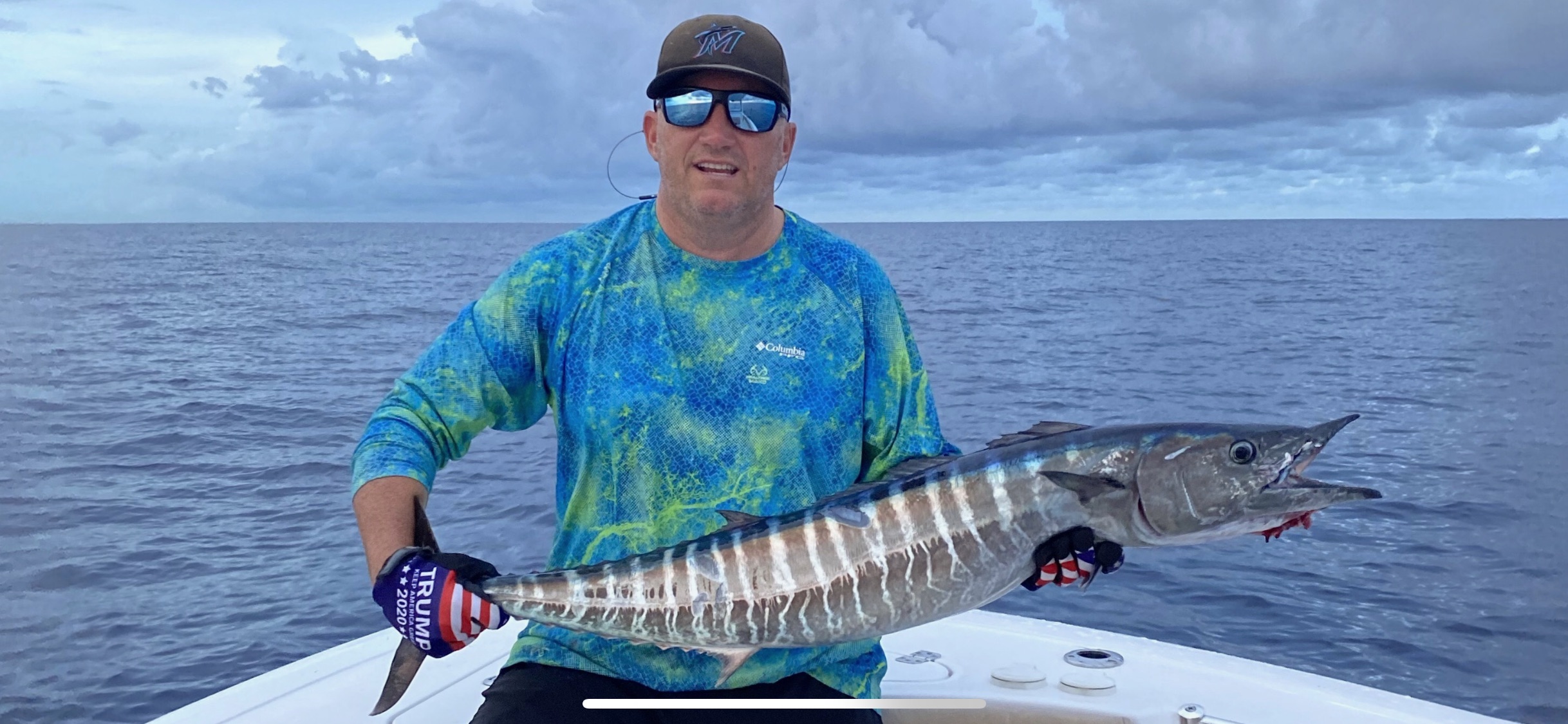
The run from Boynton Beach to blue water can be quick, but an offshore day can still feel long if you leave the dock without the right basics. This offshore fishing trip checklist helps you show up ready to fish, stay comfortable through the ride, and focus on the bite when a sailfish, mahi-mahi, wahoo, tuna, or kingfish comes charging in.
On a guided charter, the boat, captain, rods, reels, bait, tackle, and local know-how are already handled. Your job is simpler: dress for the conditions, bring what you need for the day, and arrive ready to listen when the captain says there is a fish on.
Offshore Fishing Trip Checklist: Start the Night Before
A good fishing day begins before the alarm goes off. Check the departure time, meeting location, and expected trip length the evening before. Offshore charters often leave early because morning conditions can be comfortable and the fish do not wait for a late start.
Get a full night of sleep and hydrate the day before. South Florida sun, wind, and salt air can wear you down faster than expected, especially if you are not used to being on a boat. Avoid arriving dehydrated after a late night. It makes the ride out, the heat, and any chance of motion sickness harder to manage.
If you are concerned about seasickness, make a plan before boarding. Many anglers use an over-the-counter motion-sickness medication, patches, or wristbands, but medication is a personal health decision. Read the label, consider possible drowsiness, and speak with a medical professional if you have questions or take other medications. Taking something after you feel sick is usually too late to get the best result.
Put your essentials in one small, soft-sided bag. Hard coolers, bulky duffels, and extra gear take up valuable deck space. On a 25-foot center-console boat, moving safely and quickly matters when lines are going out or a fish is circling near the boat.
What to Wear for a South Florida Offshore Charter
Dress for sun protection first, then adjust for the forecast. It may be warm at the dock, but the early-morning run offshore can feel cool when the wind is up. A lightweight long-sleeve performance shirt gives you coverage without feeling heavy, and quick-dry shorts or fishing pants are more comfortable than cotton once spray starts coming over the rail.
Bring a light rain jacket or windbreaker even if the forecast looks clear. Offshore weather can change quickly, and that extra layer is useful during the ride out. Choose boat-friendly shoes with non-marking soles and good traction. Sandals can work on calm days, but closed-toe shoes are often the better choice when the deck is wet, the seas are choppy, or you are moving around fighting a fish.
A hat, polarized sunglasses, and sunscreen belong on every trip. Polarized lenses cut surface glare, making it easier to spot weed lines, bait, and fish near the boat. Use a sunscreen that works for your skin, apply it before departure, and reapply after sweating or getting wet. A neck gaiter can be a smart addition for anglers who burn easily.
Pack the Essentials, Not the Entire Garage
Your captain supplies the professional fishing equipment, so there is no need to haul out your own rod collection unless you have discussed it ahead of time. Keep your personal gear practical. These are the items most guests are glad they brought:
Photo ID, any required booking information, and a charged phone in a waterproof pouch
Sunglasses, hat, sunscreen, and a light rain or wind layer
Water and simple snacks, especially for longer three-quarter-day or full-day trips
Any personal medications, including motion-sickness prevention if you use it
A small cooler for the ride home if you plan to keep legal, edible fish
A camera or phone for photos, plus a portable charger if you take lots of pictures
Water is the priority. Bring more than you think you will drink, particularly in summer. For food, pack easy options that will not create a mess in rolling seas: sandwiches, fruit, crackers, protein bars, or similar snacks. Greasy, heavy foods and too much alcohol can turn a great day into a rough ride for someone prone to seasickness.
If you bring alcohol, confirm the charter's policy before the trip. Keep it moderate, avoid glass containers, and remember that alcohol and the Florida sun do not mix well. The goal is to stay sharp, steady on your feet, and ready when the action starts.
Know What the Charter Handles
First-time guests often overpack because they are unsure what comes with a charter. On a guided Boynton Beach trip, quality tackle, bait, and fishing instruction should already be part of the plan. Captain Jim at 4 J’s Fishing Charters matches the approach to the day, whether that means trolling for pelagic fish, working live bait, or dropping down for snapper and grouper on the reef.
Ask about what is included when you book, especially if you have a specific goal. An angler hoping for sailfish has different expectations from a family that wants fresh snapper for dinner. Trip length also matters. A half-day is a strong choice for families, visitors, and anglers who want plenty of action without spending all day offshore. A three-quarter-day or full-day trip gives the captain more time to adjust to changing conditions, look for mahi-mahi under floating debris, or work farther offshore when the best opportunity calls for it.
For most charter guests, recreational fishing licensing is covered under the vessel's charter arrangement, but it is always smart to confirm the details when booking. The captain will also explain current size limits, bag limits, and which fish are in season. Those rules change, and responsible anglers follow the guidance before putting a fish in the cooler.
Prepare Kids and First-Time Anglers for the Boat
Offshore fishing is a fantastic family experience when everyone knows what to expect. Let kids know there will be a fast boat ride, wind, salt spray, and periods of waiting between bites. The payoff can be big: a sudden screaming drag, a flashing mahi at the transom, or a hard-pulling kingfish that gets the whole crew cheering.
Bring kid-sized sun protection, water, snacks, and any needed medication. Tell the captain the ages and experience levels in your group before departure so the day can be set up appropriately. A patient first lesson on holding the rod, keeping fingers clear of the line, and listening for instructions goes a long way.
Adults new to offshore fishing should not worry about looking inexperienced. Ask questions. Your captain can show you how to hold the rod during a fight, keep steady pressure on a fish, and move around the boat safely. When a hookup happens, clear communication beats guesswork every time.
Leave These Items at Home
A few things are more trouble than they are worth offshore. Leave valuables you cannot afford to get wet, large hard-sided luggage, glass bottles, and anything loose that can roll around the deck. Do not bring a drone without asking first. Wind, saltwater, and boat movement make drone use a poor fit for most charter days.
Also skip the urge to bring excessive personal tackle. A guided charter is set up with gear that matches the local fishery and the captain's technique. That saves you from carrying equipment that may never leave the bag. If you have a favorite rod or a specific lure you want to use, mention it before the trip rather than surprising the crew at the dock.
Pay Attention to the Captain and the Conditions
No offshore fishing trip checklist can guarantee a particular species or a glass-calm ocean. Weather, wind direction, current, water color, bait movement, and seasonal patterns all affect the plan. Some days call for a short run to reef structure; others call for heading toward the Gulf Stream edge to find cleaner water and pelagic fish.
Listen closely during the safety briefing. Know where life jackets are stored, keep hands away from cleats and lines, and hold on during the ride. When the captain asks passengers to shift position, stow gear, or wait before moving, it is usually because conditions or a fish fight demand it.
The best item you can bring is a flexible attitude. Come prepared, trust the local knowledge at the helm, and be ready when the bite turns on. That is how a simple morning out of Boynton Beach becomes the fishing story your group keeps talking about long after the dock lines are tied off.


Comments