


South Florida Fishing Seasons Guide by Month
The best South Florida fishing seasons guide starts with one local advantage: the Gulf Stream runs only a few miles off Boynton Beach. That means a calm morning can put you over reef fish close to shore, trolling for pelagics offshore, or working the Intracoastal for hard-fighting inshore species without spending half the day running to the fishing grounds.
There is no true off-season here. Fish are available all year, but the species, weather pattern, water temperature, and best trip plan change throughout the calendar. If you are planning a family outing, a serious sailfish hunt, or a fresh-fish dinner with snapper and grouper, timing the trip around your target makes a real difference.
Why South Florida Seasons Are Different
South Florida does not follow the same fishing calendar as much of the country. Winter water temperatures remain comfortable, bait stays active, and the proximity of deep Gulf Stream water keeps offshore opportunities within reach. Instead of waiting for a short summer season, local anglers can chase a rotating lineup of sailfish, mahi-mahi, wahoo, tuna, kingfish, snapper, grouper, tarpon, snook, jacks, and more.
Weather is the trade-off. Winter cold fronts can bring excellent sailfish conditions but also wind and rougher seas. Summer often provides calmer mornings and great mahi action, yet afternoon thunderstorms require an early start and a close eye on the forecast. A veteran local captain plans around those conditions, not just the date on the calendar.
South Florida Fishing Seasons Guide by Month
December through February: Sailfish Weather and Reef Action
Winter is prime time for sailfish off Palm Beach County. North and northeast winds, moving water, and schools of bait can put these acrobatic fish right on the edge and over the reefs. Kite fishing, live bait, and trolling are all productive approaches depending on the day. For many experienced anglers, this is the season to book a dedicated offshore trip with sailfish at the top of the list.
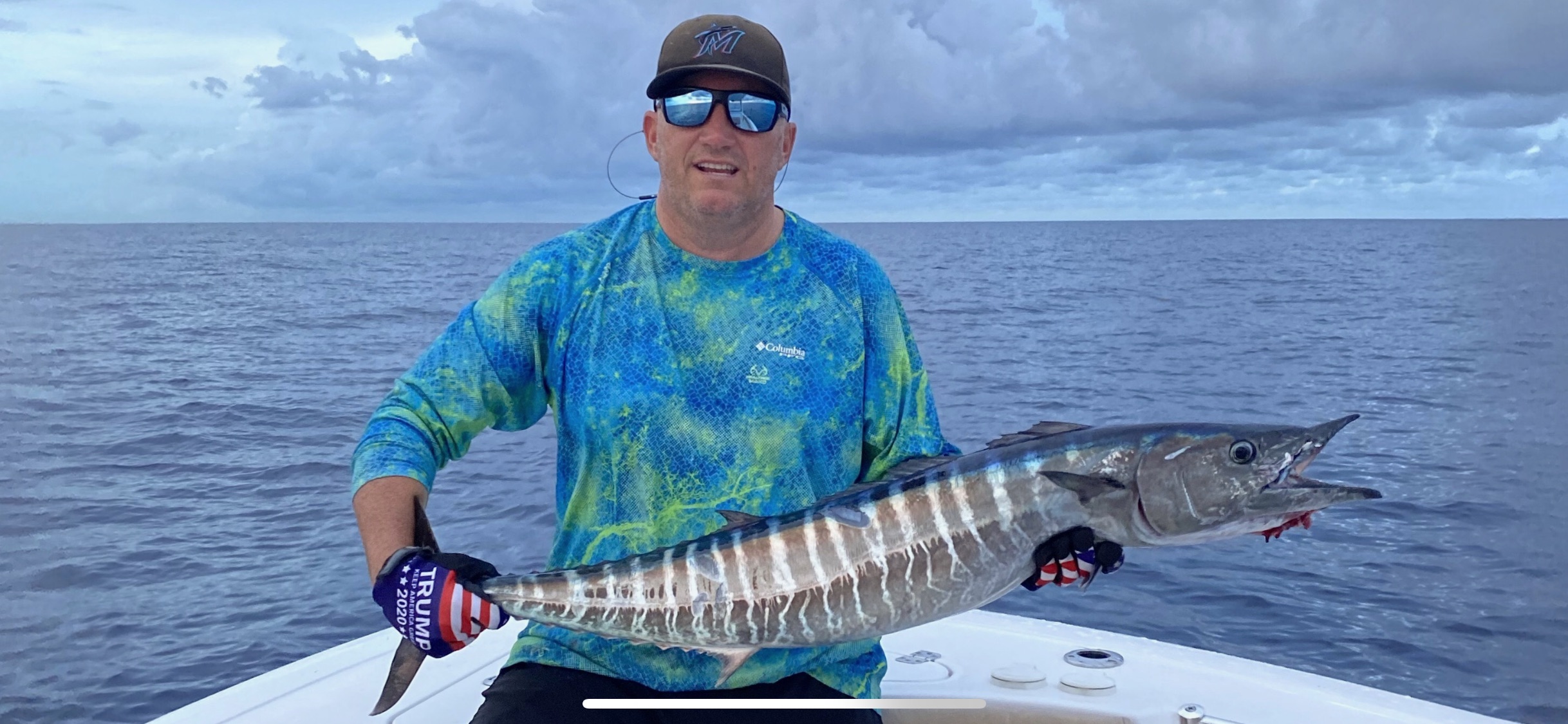
Wahoo are also a strong winter possibility, especially around changing currents and clean blue water. They are fast, aggressive, and known for blistering first runs. Blackfin tuna, kingfish, bonito, and the occasional mahi can add steady action while waiting on a big bite.
When offshore seas are up, the reefs and protected inshore waters can still offer a great day. Yellowtail snapper, mutton snapper, lane snapper, grunts, jacks, and other reef species can keep rods bent. Winter is also a smart choice for first-time anglers who want a shorter half-day trip with plenty of chances to catch fish.
March through May: A Strong All-Around Bite
Spring is one of the most versatile times to fish out of Boynton Beach. Sailfish remain available, kingfish activity can be excellent, and offshore water begins to fill with more mahi-mahi as temperatures rise. A day that starts with sailfish or kingfish can turn into a mahi trip quickly when birds, floating debris, or weed lines hold bait.
Mahi are a favorite for families and visiting anglers because they are colorful, aggressive, and outstanding on the grill. Smaller schoolies can provide fast-paced action, while larger fish may show up around better floating structure. The key is staying mobile and working the clean water where bait is concentrated.
Spring is also a productive transition for tarpon. Fish move along the beaches, through inlets, and around bridges and channels. Tarpon fishing requires patience and precise bait presentation, but the payoff is a powerful fish that can jump repeatedly once hooked. Snook, jack crevalle, and ladyfish can provide plenty of light-tackle action closer to shore as well.
June through August: Mahi, Tuna, and Early-Morning Inshore Fishing
Summer brings some of the best offshore variety of the year. Mahi-mahi are a primary target, with weed lines, current rips, and floating debris often holding fish. Tuna, wahoo, kingfish, bonito, and sailfish remain possible, so an offshore spread can produce surprises throughout the day.
The best summer plan is usually to get on the water early. Morning seas are often calmer, and you can make the most of the bite before the heat builds or afternoon storms develop. Full-day and three-quarter-day charters give the crew more time to search for the best offshore conditions, especially when anglers want to target mahi and still have time to work a reef.
Summer is also prime time for tarpon, snook, and jacks around the Intracoastal, inlets, mangroves, bridges, and deeper channels. Light tackle makes these trips especially fun for kids and anglers who enjoy active casting. Jack crevalle may not have the table value of snapper, but few fish pull harder on light gear once they get moving.
September through November: Wahoo, Kingfish, and the Fall Shift
Fall is when the water begins to change again, and that change can trigger some outstanding fishing. Wahoo become a major draw, particularly when clean blue water, current edges, and bait come together. They often reward anglers who are ready for a sudden, violent strike and a fast-moving fight.
Kingfish can show in good numbers during the fall migration, making live-bait fishing along the reefs and edges highly productive. Sailfish activity also begins to build as cooler weather approaches. If you want a mixed-bag offshore trip where a sailfish, kingfish, wahoo, tuna, or mahi could all show up, fall is hard to beat.
Reef fishing stays dependable through this period, with snapper providing both action and excellent fillets for the cooler. Grouper opportunities can be seasonal and location-specific, so it is always best to check current state and federal regulations before planning to keep one. Size limits, bag limits, and open seasons can change.
Pick Your Trip Around the Fish You Want
A half-day charter is a great fit for families, first-time anglers, and guests who want a focused reef or nearshore trip. Snapper, jacks, kingfish, bonito, and seasonal pelagics can all be within range, depending on the conditions. It is a fun way to get the full South Florida experience without committing an entire day.
A three-quarter-day trip gives more room to adapt. You may start trolling offshore for mahi, tuna, or wahoo, then move to a productive reef for snapper fishing. This is often the best balance for groups who want variety and enough time to let the day develop.
Full-day trips are the right call when your goal is a specific offshore target, larger mahi, a serious sailfish effort, or a combination of blue-water and reef fishing. Fish do not always follow the schedule, and extra time gives your captain more options to find the best water, bait, and bite.
Conditions Matter More Than a Calendar
Seasonal patterns point you in the right direction, but no two days fish exactly alike. Wind direction, sea state, water clarity, moon phase, current speed, bait movement, and recent weather all affect the plan. A winter day with light northeast wind may be perfect for sailfish, while a calm summer morning may call for running offshore to find mahi under birds and weed lines.
That is why local knowledge matters. Captain Jim Chiarenza has spent more than four decades fishing freshwater and saltwater, and 4 J’s Fishing Charters builds each trip around the conditions that day. The boat, tackle, and approach are selected to put guests right on the fish, whether that means live bait offshore, bottom fishing a reef, or working light tackle inshore.
A Few Rules Before You Keep Fish
South Florida offers excellent table fare, but responsible harvest is part of a good day on the water. Snapper, grouper, snook, and other regulated species have specific size, bag, and seasonal rules. Some species may be closed when you fish, while others may need to be released based on their size or condition.
Your captain can help identify what is legal to keep and what should go back. If fresh fish for dinner is a priority, say so before departure. That helps shape the trip toward reef species and other food fish that are available and in season.
The right month can improve your odds, but the right plan turns a fishing trip into a memorable day. Bring your target species, group size, and ideal trip length to the conversation, then let the conditions lead the way once you leave Harvey E. Oyer Park.


Comments