


Can Children Join Fishing Charters? Parent Guide
A child’s first hard strike can turn a regular Florida vacation day into the story they tell for years. The answer to “can children join fishing charters” is usually yes, and a private charter can be one of the best ways to introduce kids to saltwater fishing. The key is choosing the right trip, setting realistic expectations, and putting safety and comfort ahead of filling the cooler.
At 4 J’s Fishing Charters, family trips are planned around the people on board. A first-time angler does not need prior fishing knowledge or a garage full of gear. The captain supplies quality tackle, helps with bait and technique, and can shape the day around conditions and your group’s experience level.
Can Children Join Fishing Charters Safely?
Children can join a fishing charter when they are ready to follow basic boat-safety directions and are comfortable spending time on the water. There is no single perfect age. A focused five- or six-year-old may be a better fit than an older child who gets anxious around waves, loud engines, or waiting between bites.
Before booking, tell the captain each child’s age, approximate size, fishing experience, and any concerns about motion sickness. That conversation matters. The weather, wind, sea state, destination, and duration all affect whether an offshore, reef, or inshore trip makes the most sense.
A professional charter should have properly fitted Coast Guard-approved life jackets available for young guests. Kids should wear them whenever the captain recommends it, especially while running, when conditions are rough, or when they are not seated securely. Parents should also be ready to supervise closely. A captain is running the boat, watching conditions, and putting everyone on fish; parents and guardians remain responsible for their child’s behavior and attention.
Before leaving the dock, give children a simple job description: listen when the captain gives instructions, keep hands away from lines and hooks, stay seated while the boat is moving, and ask for help before touching any fish, lure, or sharp equipment. Clear rules make kids feel more confident, not less included.
Pick the Trip That Matches Your Child
The best family fishing trip is not always the longest trip or the farthest run offshore. South Florida gives families options, from calmer inshore water to reef fishing and Gulf Stream action only a few miles from the beach. What works depends on the child, the forecast, and what your family wants from the day.
Inshore fishing for younger anglers
Inshore light-tackle fishing is often a strong choice for younger children or anyone uncertain about motion sickness. Protected waters can be more comfortable than an offshore run, and the action can be fast. Snook, tarpon, jack crevalle, and other inshore species offer plenty of excitement without making the trip feel like an endurance test.
Kids also tend to enjoy seeing the surroundings up close. They may spot birds, baitfish, boats, and shoreline wildlife between casts. That variety helps keep the day fun if the bite slows for a few minutes.
Reef trips for steady action and food fish
Reef fishing can be a great middle ground for families. Depending on conditions, it may provide manageable travel time and frequent chances at snapper, grouper, kingfish, and other local fish. A child does not have to catch the biggest fish on the boat to have a great time. Feeling a snapper peck at bait, learning to reel steadily, and seeing a colorful fish come over the rail can be enough to hook a new angler on the sport.
Offshore trips for kids ready for bigger water
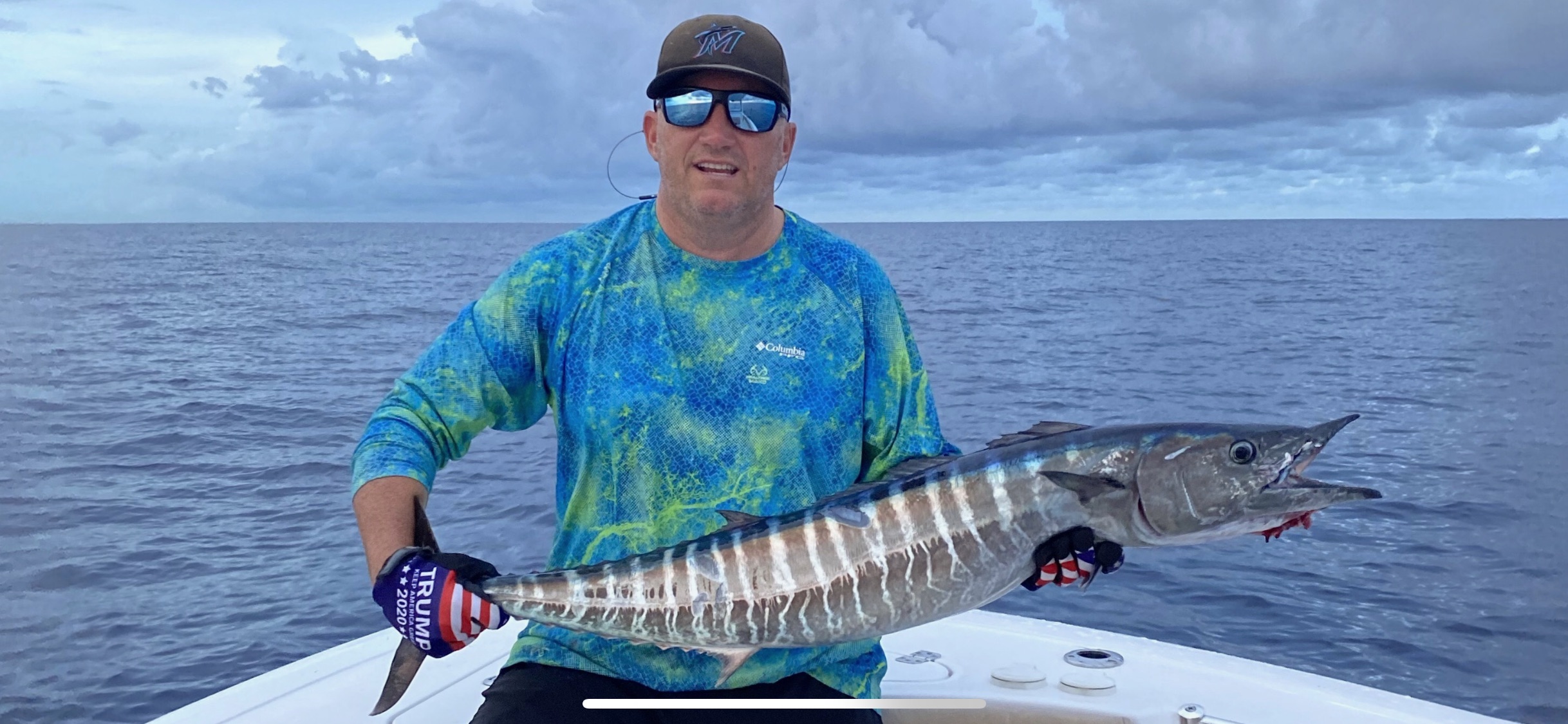
Offshore fishing is where South Florida can produce memorable shots at mahi-mahi, sailfish, tuna, wahoo, and kingfish. It is exciting, but it also demands more patience and comfort with open water. A calm forecast can make offshore fishing very family-friendly. A choppy day may be better suited to an experienced crew or an inshore backup plan.
A child who wants to chase mahi or see a sailfish jump may be ready for a three-quarter-day or full-day trip. But if it is their first time on a boat, starting with a half-day charter is usually the smarter move. Leave them wanting another trip rather than pushing past their energy level.
How Long Should a Family Charter Be?
For many first-time families, a half-day charter is the sweet spot. It gives everyone enough time to run to productive water, learn the basics, fish seriously, and head back before fatigue takes over. Children often begin strong, then get hungry, hot, tired, or restless faster than adults expect.
A three-quarter-day trip works well for kids who already enjoy boating and fishing, or for a mixed group where adults want more time to pursue specific species. Full-day trips are best when the family understands the commitment and the conditions look favorable. They create more opportunity, especially offshore, but they require snacks, shade, hydration, and a realistic plan for downtime.
Do not measure success strictly by hours or fish counts. If your child catches one fish, learns to cast, handles a rod properly, and leaves proud of their effort, the trip did its job.
Prepare Kids Before Leaving the Dock
A little preparation prevents most family-trip problems. Explain that fishing includes active moments and quiet moments. There may be a quick run, a wait for a bite, then a burst of excitement when a rod bends. Kids who know what to expect are more likely to stay engaged.
Bring these basics for each child:
A properly fitted hat, polarized sunglasses, and reef-safe sunscreen
Light, quick-drying clothing and a long-sleeve shirt for sun protection
Closed-toe, non-slip shoes that can handle spray and bait
Water, familiar snacks, and any motion-sickness medication approved by their doctor
A small towel and a change of clothes for the ride home
Avoid a heavy breakfast if a child is prone to seasickness, but do not send them out with an empty stomach. Plain, familiar food and steady hydration are usually better choices than sugary drinks. If motion sickness is a concern, mention it when booking rather than hoping it will not happen. The captain can advise whether a protected-water trip or another day may be the better call.
Electronics can help during a slow moment, but they are not a replacement for preparation. Encourage children to watch for birds, ask questions about the bait, and help spot floating debris or weed lines offshore. Giving them a role keeps them part of the fishing team.
Let Kids Fish Their Own Fight
One of the easiest mistakes adults make is taking over too soon. A child may not be able to land a large fish alone, and that is fine. The captain or parent can support the rod, guide their grip, or take over during the toughest part of the fight. Still, let the child crank the reel, feel the pull, and participate in the catch whenever it is safe.
Match the tackle to the angler. Light tackle can make smaller fish feel like a real battle without overwhelming young arms. For larger fish, teamwork is part of the experience. A parent can hold the rod butt while the child reels, then everyone can celebrate at the boat.
Teach respect for the fish from the start. The captain can show children how to handle a catch safely, why certain fish are released, and how regulations protect future fishing. Photos are great, but quick, careful handling is better for the fish and safer for small hands.
Weather Can Change the Plan
A family-friendly charter is not about forcing an offshore run because that was the original plan. South Florida weather can shift quickly, and the best captains adjust to real conditions. A protected inshore route, a shorter run, or rescheduling for a better forecast may be the right decision.
That flexibility is especially valuable with children. They do not need perfect conditions, but they do need a trip that feels secure and enjoyable. A calm day with steady action close to home can beat a rough day chasing a bucket-list fish every time.
Talk to your child about the trip the night before, pack for sun and spray, and let the captain tailor the day to the crew in front of him. When kids are comfortable, included, and given a real chance to work a fish, their first charter can become the beginning of a lifelong habit of getting out on the water.


Comments