


South Florida Fishing Experiences That Deliver
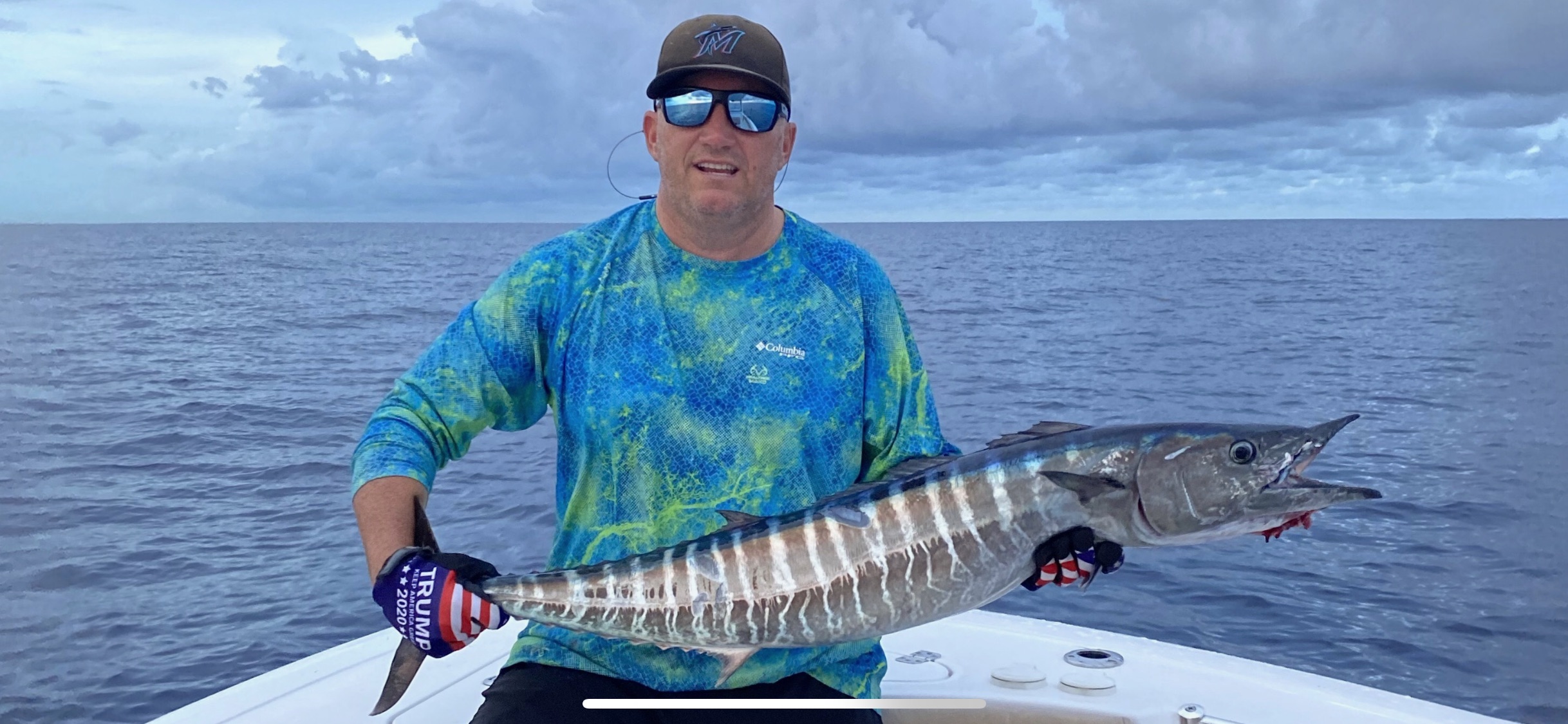
A sunrise departure from Boynton Beach can put you within reach of reef fish, hard-running kingfish, and bluewater predators before most of the shoreline traffic has started its day. That close access is what makes South Florida fishing experiences different: the water offers real variety, but getting the most from it comes down to choosing the right trip, the right conditions, and a captain who knows where the fish are likely to be.
For first-time guests, that can mean catching a snapper for dinner without worrying about boat ownership, bait, or tackle. For seasoned anglers, it can mean working a weed line for mahi-mahi, slow-trolling for sailfish, or taking a live bait to the edge of the Gulf Stream. The best day is not always about chasing one species at any cost. It is about matching the day’s weather, current, season, and group’s goals to the water that is fishing best.
Why Boynton Beach Is Built for Fishing Action
Boynton Beach sits in a part of Palm Beach County where productive offshore water is close to shore. The Gulf Stream runs only miles off the beach, so a charter can spend more time fishing and less time making a long run. Depending on conditions, a half-day can be enough time to fish nearshore reefs and offshore edges, while three-quarter-day and full-day trips allow more room to follow a bite or target a specific species.
The area also gives anglers choices beyond the deep blue. Reefs and wrecks hold bottom species such as snapper and grouper when regulations and seasons allow. Inshore waters around the Intracoastal Waterway can produce tarpon, snook, jack crevalle, and other light-tackle action. Offshore, anglers may encounter sailfish, mahi-mahi, wahoo, tuna, kingfish, bonito, and more.
That range matters when you are planning for a family, a group of friends, or anglers with different priorities. A child catching a jack crevalle on light tackle may have just as much fun as an experienced angler waiting for a sailfish bite. A good charter plan leaves room for both.
Choose the South Florida Fishing Experience That Fits Your Day
A private charter should not feel like a fixed assembly line. The right format depends on your available time, the number of anglers, sea conditions, and whether your group wants steady rod-bending action, a meal of fresh fish, or a shot at a trophy species.
Half-Day Trips: Maximum Fishing With a Short Window
Half-day trips work well for visitors with busy schedules, families with younger kids, and anyone who wants a strong introduction to saltwater fishing. With quality grounds close to the inlet, there is plenty of opportunity to target kingfish, snapper, jacks, bonito, mahi-mahi, and other available species.
A shorter trip does require realistic expectations. If the offshore bite is farther out or the wind has built the seas, a captain may recommend fishing closer structure rather than burning valuable time on a long run. That is not a compromise when the reef is holding fish. It is smart fishing.
Three-Quarter-Day Trips: More Flexibility on the Water
For many groups, three-quarter-day trips hit the sweet spot. The additional time gives the captain more options to work multiple areas, wait out a slow part of the tide, or shift from trolling to bottom fishing if the conditions call for it.
This is a strong choice for anglers who want to pursue mahi-mahi, sailfish, wahoo, tuna, or deeper reef species while still keeping the day manageable. It also creates a less rushed experience for mixed-skill groups. Beginners can learn the basics, while experienced anglers get more time to refine presentations and cover water.
Full-Day Trips: The Best Option for a Specific Goal
A full day gives a serious fishing group the most opportunity. It is especially useful when targeting a particular seasonal fish, looking for a bigger offshore window, or planning to combine techniques. You may troll for pelagic fish early, spend time around structure later, and adjust again as the current changes.
More hours do not guarantee a trophy, because fishing never makes that promise. They do provide the time and flexibility that can turn a good bite into an exceptional day. If your group has one species at the top of the list, tell the captain before departure so the game plan can start there.
What Fish Can You Target?
South Florida has fishing opportunities through every season, but each season brings its own strengths. Sailfish are a major draw during the cooler months, especially when conditions line up for live-bait fishing. Mahi-mahi can show up around floating debris, current edges, and weed lines, with larger fish often drawing offshore anglers farther from the inlet.
Wahoo are known for fast, aggressive strikes and can be a top target when the water and current cooperate. Tuna and blackfin tuna offer a hard-fighting offshore option. Kingfish provide exciting nearshore action and are accessible to anglers of nearly any experience level.
On reef trips, yellowtail, mutton, lane, mangrove, and other snapper species may be available depending on the location and regulations. Grouper can be another possibility during open seasons. Inshore, tarpon, snook, and jack crevalle make light-tackle fishing exciting, particularly for guests who prefer protected water or want to avoid a long offshore run.
No responsible captain should promise a particular species before seeing the weather and the water. What they can do is explain the best current options and put the group right on the most productive pattern available.
What to Expect on a Guided Charter
The value of a guided trip starts before the first cast. You do not need to buy rods, reels, terminal tackle, bait, safety equipment, or a boat capable of handling offshore conditions. On a professionally equipped center-console, the gear should be ready when you step aboard, and the captain should explain what is happening without talking over anyone’s head.
At 4 J’s Fishing Charters, Captain Jim Chiarenza uses more than four decades of freshwater and saltwater experience to tailor trips from Harvey E. Oyer Park around the group and the day’s conditions. That may mean showing a first-timer how to hold the rod and fight a fish, helping a child land a snapper, or working with dedicated anglers on live-bait techniques for sailfish and kingfish.
A personalized trip also means making decisions as the day unfolds. If a school of jacks moves through, it may be worth putting everyone on a rod. If the offshore water is clean and birds are working a weed line, that could be the moment to push farther out for mahi-mahi. Local knowledge is not only knowing a waypoint. It is reading current, bait, water color, wind, tide, and the fish behavior in front of the boat.
Come Prepared, Then Let the Captain Handle the Details
Bring sun protection, polarized sunglasses, a hat, comfortable non-marking shoes, and a light layer for the early run. Water and any food you want for the trip are also a good idea. If you are prone to motion sickness, take your preferred medication as directed before leaving the dock, not after the boat is already moving.
Let the captain know about young children, mobility concerns, first-time anglers, and any species you hope to target. Clear expectations help shape a better day. For fish you plan to keep, the crew should follow current size, season, and bag-limit regulations. A captain may recommend releasing a fish based on the rules, the species, or its condition.
If a trophy fish is part of your story, take clear photos before release or keeping it where legal. Anglers interested in a lasting display can also ask about trophy-fish mounting options through Gray Taxidermy.
The perfect day on the water is not measured only by the biggest fish in the photo. It is the first tight line for a new angler, the teamwork when a fish makes one last run at the boat, and the ride home with a cooler or a story your group will keep telling. Pick the trip length that gives your group room to enjoy the action, listen to the local plan, and be ready when the rod bends.


Comments