


10 Best Trolling Lures Florida Anglers Use
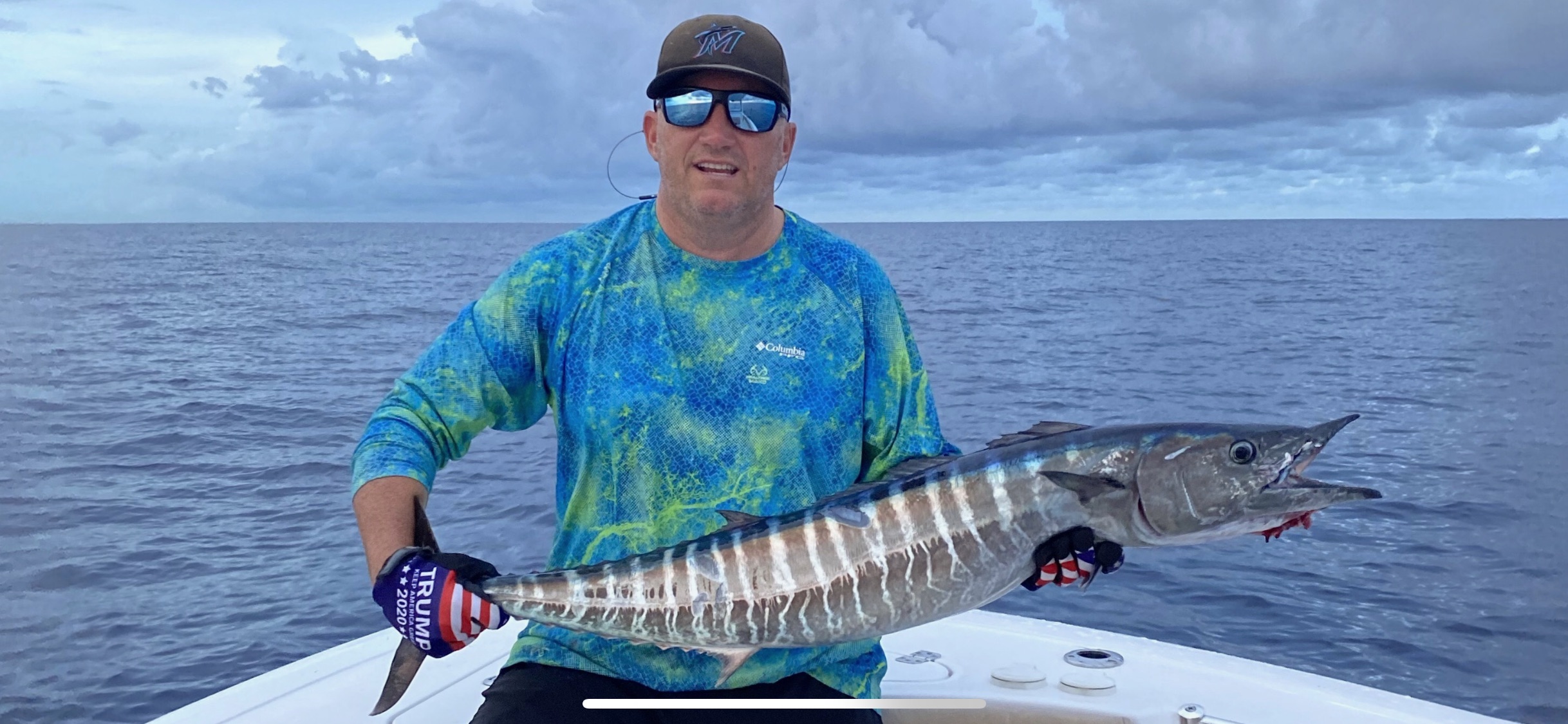
A few miles off Boynton Beach, the water can change from clear blue to cobalt Gulf Stream current fast - and the lure that gets crushed on one pass may get ignored on the next. The best trolling lures Florida anglers carry are not one magic bait. They are a small, purposeful selection matched to speed, sea conditions, and the fish you are trying to put in the box or release beside the boat.
For South Florida offshore fishing, trolling is all about presenting a clean spread where mahi-mahi, wahoo, tuna, kingfish, and sailfish expect to find an easy meal. Get the spread swimming correctly, watch the weed lines and current rips, and be ready when a rod starts screaming.
What Makes a Trolling Lure Work in Florida?
Florida’s east coast is different from many trolling destinations because the Gulf Stream runs close to shore. From Boynton Beach, productive blue water can be within a practical run, but it brings strong current, scattered weed, changing water color, and plenty of bait. Your lures need to track straight, stay clean, and make enough commotion to stand out without looking unnatural.
Speed matters as much as lure choice. A wahoo lure pulled at 12 to 16 knots is being asked to do a different job than a skirted ballyhoo pulled at 5 to 7 knots for sailfish and mahi. That is why experienced crews rig separate spreads rather than trying to make one lure cover every situation.
Water clarity also changes the call. In clean, sunny blue water, natural ballyhoo colors, blues, whites, pinks, and purple can all produce. When the sky is overcast, the water has a green edge, or you are working a dirty current line, brighter chartreuse, orange, and high-contrast patterns are easier for fish to locate.
10 Best Trolling Lures for Florida Offshore Fishing
1. Skirted Ballyhoo
A properly rigged skirted ballyhoo is still one of the most dependable baits in South Florida. It has the profile, flash, and natural swimming action that sailfish, mahi, blackfin tuna, and kingfish recognize immediately. Blue-and-white, pink-and-white, and purple-and-black skirts are steady producers.
Run ballyhoo behind a small sea witch, quiet chugger, or streamlined skirt when conditions allow. The trade-off is upkeep: ballyhoo can wash out, spin, or get torn apart after a strike, so the rigging has to be right.
2. Sea Witches
Sea witches earn a spot in nearly every local trolling bag because they are simple, effective, and versatile. A sea witch over a ballyhoo can be pulled on flat lines, outriggers, or shotgun positions. They add color and a little movement without overpowering the bait.
For mahi and sailfish, lighter witches in pink, blue, white, or chartreuse are hard to beat. Use a larger, more durable model when targeting kingfish or pulling a bait faster in rougher water.
3. Ilander-Style Skirted Lures
These weighted skirt-and-head lures are South Florida staples for a reason. They run well, have a strong profile, and work beautifully over ballyhoo. An Ilander-style lure is especially useful when you need the bait to hold its position in a little more speed or current.
Purple-and-black, blue-and-white, and blue-and-pink are proven colors for mahi, tuna, sailfish, and kingfish. Put one in the long rigger or short rigger position and let it work just outside the prop wash.
4. Bullet Heads
Bullet-shaped trolling lures are clean runners that belong in a fast, organized spread. Their narrow heads slip through rough water better than many wide-faced lures, making them a good choice for tuna, mahi, and wahoo when the boat is moving at a moderate to fast pace.
Smaller bullet heads can be rigged over ballyhoo for blackfin tuna and dolphin. Larger versions, often in dark purple, black-red, or blue-silver patterns, are better suited to bigger baits and heavier leaders.
5. High-Speed Wahoo Lures
When wahoo are the target, speed is the attraction. Heavy, weighted high-speed lures with a long skirt, jet head, or bullet head can be pulled well above normal trolling speed without blowing out. Dark colors with red, purple, black, orange, or metallic flash are traditional favorites.
These lures work best on dedicated heavy tackle with wire or cable protection where needed. Wahoo teeth are unforgiving, and a light fluorocarbon setup that works for mahi can turn an exciting bite into a quick donation to the ocean.
6. Diving Plugs
A deep-diving plug adds another level to a trolling spread by getting below the surface. That can be the difference when kingfish, wahoo, tuna, or bonito are holding under the top layer of bait. Plugs also offer an aggressive swimming action that triggers reaction strikes.
They create substantial drag, so run them on stout conventional gear and keep them away from lighter flat lines. Check them regularly for weeds. A plug dragging a clump of sargassum is not fishing.
7. Lipped Swimming Plugs
For slower trolling along reefs, edges, and nearshore structure, a lipped swimming plug can be a great kingfish and bonito lure. Models that track reliably at 4 to 7 knots imitate a fleeing baitfish, and their built-in action lets them work without a natural bait.
They are particularly useful when bait is difficult to find or when anglers want a durable offering that can handle repeated strikes. Just make sure the hooks, split rings, and leader are strong enough for South Florida fish.
8. Cedar Plugs
Cedar plugs look plain compared with flashy skirted lures, but blackfin tuna and skipjack tuna do not always need flashy. The wood creates a subtle, wandering surface action that resembles a small wounded baitfish. A natural wood plug, sometimes dressed with a little color, can be deadly in clean water.
Run one farther back in the spread where it can work in calmer water. Cedar plugs are simple, but they need careful rigging and a sharp hook to make the most of a tuna bite.
9. Chuggers and Poppers
Chuggers have a cupped face that throws smoke, bubbles, and surface disturbance. That extra commotion helps fish find the spread in rough conditions or low light. They are excellent teasers and can also be rigged with ballyhoo for mahi, tuna, sailfish, and kingfish.
A chugger is not always the answer in slick, calm water. On quiet days, too much splash can look wrong, so a smaller, cleaner-running lure may get more looks.
10. Daisy Chains and Teaser Rigs
A daisy chain is designed to pull fish into the spread, not necessarily to be the lure that gets eaten. Multiple small squid, birds, or splash bars imitate a school of bait moving near the surface. They can raise mahi and tuna from a distance and create shots for a trailing hook bait.
Keep teaser rigs where they will not tangle with your hooked baits. On a 25-foot center console, a simple, well-spaced spread will fish better than a crowded one with lines crossing every turn.
Build the Spread Around the Fish You Want
For mahi-mahi, pull natural ballyhoo with colorful skirts, a small chugger, and a daisy chain along weed lines, floating debris, and current edges. Keep a pitch bait ready because a school often follows a hooked fish right to the boat. If one mahi is on, leave it in the water briefly to help hold the school nearby.
For sailfish, a quieter presentation usually wins. Lightly skirted ballyhoo, sea witches, and clean-running teasers at slower speeds are dependable choices. Watch every bait closely. Sailfish may slap, bill, or tail a bait before committing, and a quick, controlled response matters.
For wahoo, make a dedicated high-speed pass along drop-offs, current breaks, and reef edges with heavy lures, proper leaders, and a spread built to run fast. For kingfish, combine swimming plugs, diving plugs, and skirted ballyhoo around bait concentrations, wrecks, and reef lines.
Don’t Let Good Lures Fish Badly
The finest lure in the tackle bag will not help if it is spinning, skipping, dragging weeds, or running in another line’s wash. After every turn, strike, or speed change, look back at the spread. Each bait should have a consistent rhythm and clear water around it.
Match leader size to the target rather than automatically going heavy. Lighter fluorocarbon can get more bites from wary mahi and sailfish, while wahoo and big kingfish demand abrasion and bite protection. Sharp hooks, fresh ballyhoo, solid knots, and a clean trolling pattern are often more valuable than buying another lure color.
The right lure selection changes with the day, which is part of what makes offshore fishing so much fun. On a Boynton Beach trip with 4 J’s Fishing Charters, Captain Jim can set a spread suited to the conditions, show first-time anglers what each bait is doing, and put experienced crews right on the fish. Bring the excitement - the professional-grade tackle and local know-how are ready for the next bite.


Comments