


How to Troll for Tuna in Boynton Beach Waters
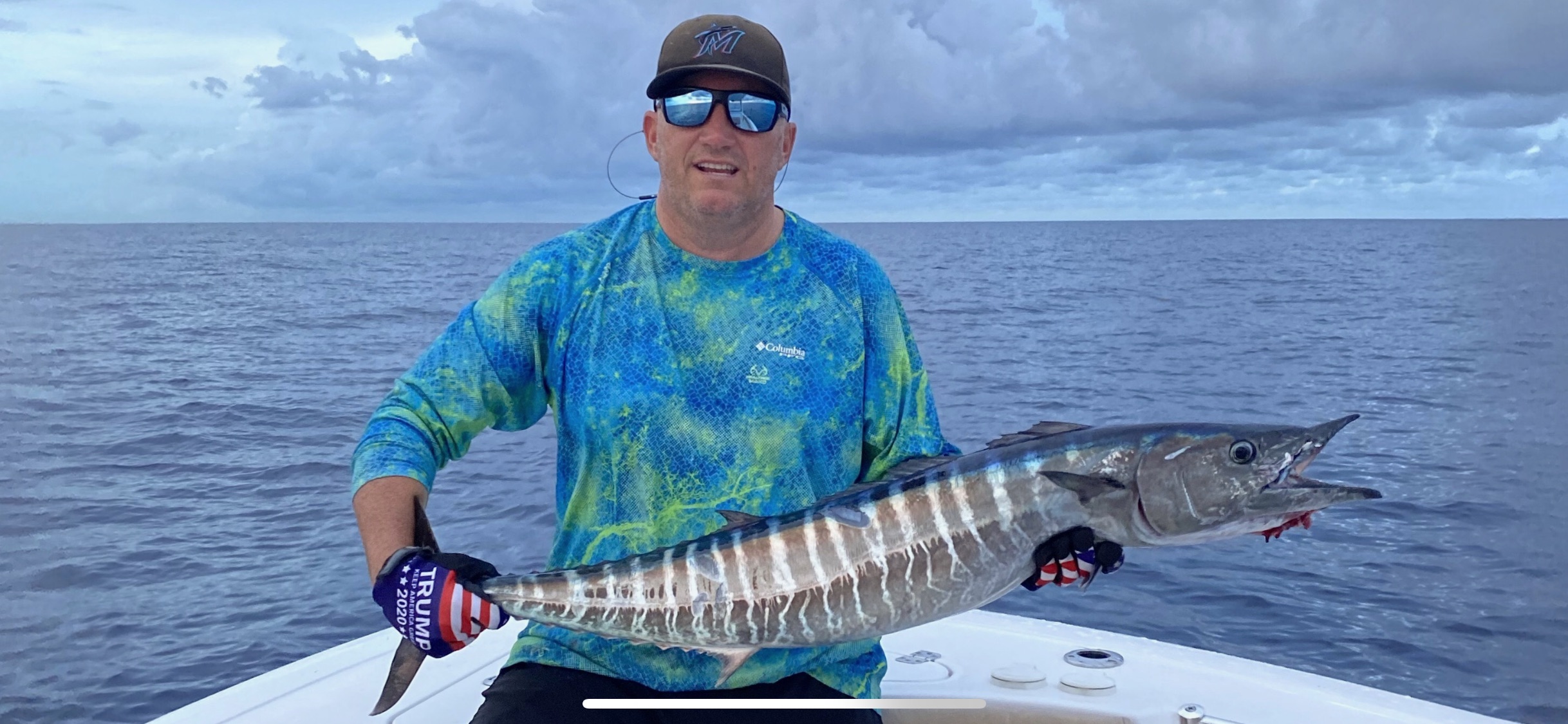
A tuna strike does not feel like a polite tap. One second, a bait is tracking clean in the wake, and the next a reel is screaming as a fish tears line toward the Gulf Stream. Learning how to troll for tuna means building a spread that looks natural, holding the right speed, and staying ready when the bite happens fast.
Off Boynton Beach, productive offshore water is only miles from the inlet. That is a big advantage, but tuna are still roaming fish. Water color, current, bait, sea conditions, and the time of year all affect where they feed. The best approach is not simply dragging baits until something happens. It is watching the water, making smart adjustments, and putting a spread where tuna expect to find an easy meal.
Start Where Tuna Are Feeding
Tuna are always on the move, but they rarely move without a reason. They follow bait schools, current edges, temperature breaks, floating debris, and areas where clean blue water pushes against greener coastal water. Off Palm Beach County, the Gulf Stream can create fast-moving current and excellent offshore conditions close to shore.
A good trolling pass often starts along a color change or current line. Look for scattered flying fish, small bait dimpling the surface, frigate birds circling, or terns picking at nervous water. A bird working low and repeatedly over one patch of water is worth a closer look. So is a weed line that is holding bait, especially if it is clean and unbroken.
Do not run right through the best sign you see. Set up outside it, get the spread working properly, then make a controlled pass along the edge. Tuna commonly travel the same current seams as baitfish. Keeping your baits in that lane gives them a much better chance of being noticed.
Read the Water Before Setting the Spread
Blue water alone does not guarantee tuna. The most productive water usually has life in it. If the water is clean but empty, keep looking. If you find a defined edge with bait, birds, and moving current, slow down long enough to work it thoroughly.
It also pays to watch the sonar. Tuna can mark as scattered arches or thick balls beneath bait, though many fish feed high enough in the water column that your eyes remain just as important as the electronics. When fish are showing deep, adding a weighted bait or a downrigger line can make a difference.
How to Troll for Tuna With the Right Spread
A tuna trolling spread should cover more than one lane and depth. The goal is to present baits that look like a small group of fleeing baitfish, not a line of lures all swimming at the same distance behind the boat.
On a 25-foot center console, a simple four- or five-line spread is plenty. Too many lines can turn a hot bite into a tangle, especially when a fish hits close to the boat. Put your shortest baits in the clean water just behind the prop wash and stagger longer baits farther back where the water settles.
A productive basic spread can include a pair of surface lures or rigged ballyhoo on the short lines, one or two baits farther back, and a deeper offering. Small feathers, cedar plugs, skirted ballyhoo, and trolling plugs all catch tuna. The best choice depends on the bait present and the species you expect.
Blackfin tuna often respond well to smaller, natural-looking baits and lures. If flying fish are around, larger ballyhoo or a flying-fish-style lure can be the right match. When small bonito, sardines, or tiny baitfish are thick, scale down. A lure that matches the available forage is usually a safer bet than the biggest, brightest item in the tackle box.
Keep Baits Swimming Clean
Every bait in the spread needs to track correctly. A ballyhoo spinning, a lure skipping across the surface, or a line dragging through another wake lane is not working as intended. Check baits regularly, especially after a missed strike, a weed clump, or a sharp turn.
Place surface baits on the faces or backs of the waves created by your boat, where they swim cleanly without popping out of the water. The farther lines generally belong in calmer water behind the wake. Give each bait its own lane so it can be seen clearly.
If weeds are heavy, use lures that shed debris more easily and keep a close watch on every line. A single strand of grass can foul a bait and waste a perfect pass through feeding fish.
Dial In Trolling Speed and Direction
For most tuna trolling with ballyhoo and common offshore lures, a starting speed around 5 to 7 knots is reliable. That range gives rigged natural baits a lively action without washing them out. Hard plugs and certain artificial lures may run better a little faster, while a delicate bait may need the boat slowed down.
Current matters as much as boat speed. Running with a strong Gulf Stream current can make baits move too slowly through the water even when the GPS speed looks right. Running into the current can make them track too fast. Watch the action of the baits rather than relying only on the number on the screen.
Make gradual turns instead of sharp corners. During a turn, the inside lines slow down and drop while the outside lines speed up and rise. Those changes can trigger a strike, but aggressive turns also create crossed lines. Controlled S-turns are an effective way to change presentation without making a mess of the spread.
Be Ready When a Tuna Hits
Tuna often bite in groups. When one rod goes off, avoid the instinct to immediately pull every other line from the water. Keep the boat moving forward and give the remaining baits a chance to draw another fish in. A second or third tuna can strike within seconds of the first hookup.
The angler on the rod should let the tackle do its job. Keep steady pressure, use the rod's bend, and avoid pumping wildly or reeling when the fish is taking line. Tuna can make hard, fast runs followed by deep circles under the boat. A smooth fight is more effective than trying to rush a powerful fish.
Once the fish comes close, clear the necessary lines and keep the deck organized. On a family trip, this is where the captain's direction matters. One person fights the fish while everyone else stays clear of the line, rods, and gaffing area. A calm crew lands more fish and has more fun doing it.
Match Your Tackle to the Tuna
The right setup depends on whether you are targeting school-size blackfin or hoping a larger fish finds the spread. For many South Florida tuna situations, 20- to 30-pound conventional or spinning outfits offer a good balance of sport and control. Heavier gear may be needed when larger tuna are possible, when current is ripping, or when you are pulling heavier lures.
Fluorocarbon leaders can help when the water is clear and fish are pressured, but do not go so light that you lose a strong fish at the boat. Check leaders, hooks, knots, and swivels throughout the day. Offshore trolling puts constant strain on every connection, and a small nick can end the fight when it matters most.
Sharp hooks are non-negotiable. Whether you are pulling a rigged ballyhoo, a skirted bait, or a plug, inspect the hook point before it goes over the side. If it does not grab a fingernail lightly, replace or sharpen it.
Timing Matters Off Boynton Beach
Tuna can show up any month of the year in South Florida, but conditions change. Clean water, bait activity, and favorable current are more useful clues than a date on the calendar. Early mornings can be especially productive when bait is active near the surface, although a strong midday bite can happen when fish push bait to the top.
Weather should always guide the plan. A calm offshore morning makes it easier to spot birds, weed lines, and surface activity. On a choppier day, you may need to slow down, shorten the spread, and choose baits that continue to swim properly in rougher water. The right day for a first-time angler may be different from the right day for an experienced crew looking to cover ground offshore.
For guests who want to learn these details without buying a boat, building a tackle collection, or guessing where to start, 4 J's Fishing Charters puts the gear and local knowledge in place from the dock. Captain Jim can tailor a half-day, three-quarter-day, or full-day offshore trip around the conditions and the experience level of your crew.
The next time a frigate bird drops toward a clean blue edge and the bait starts spraying, pay attention. Set a clean spread, make a steady pass, and keep your hands close to the rods. Tuna fishing rewards preparation, but the moment that reel starts screaming is what turns a good day offshore into a story your crew will tell for years.


Comments