


Tuna Fishing Off Boynton Beach for Real Action
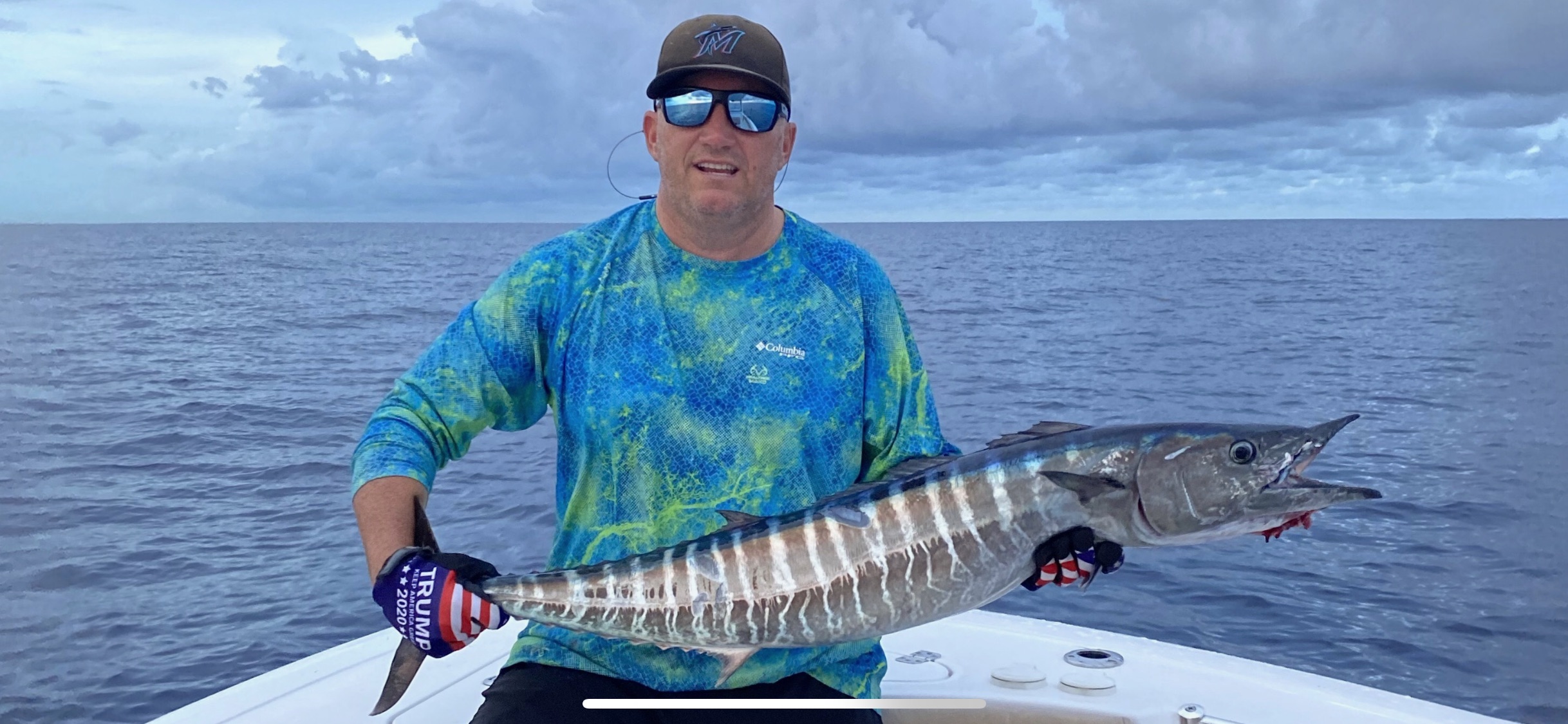
Tuna fishing off Boynton Beach can go from a quiet ride offshore to a reel-screaming hookup in seconds. One minute you are watching the spread behind the boat, and the next a blackfin tuna is ripping line toward the Gulf Stream. That is the appeal of chasing tuna in South Florida: productive blue water is only miles from the inlet, and the right conditions can put serious action within reach of a half-day or longer trip.
Tuna are not a species you simply stumble across and catch by accident. They move with bait, current edges, water temperature, and changing offshore conditions. A good day comes from reading what is happening on the water, keeping quality baits in the zone, and being ready when the fish show themselves.
Why Tuna Fishing Is So Good Near Boynton Beach
The Gulf Stream runs close to Palm Beach County, carrying warm, clean water north along the coast. Where that blue water meets greener inshore water, or where current lines push weeds and bait together, the offshore food chain gets busy fast. Flying fish, small baitfish, squid, and other forage draw in tuna, along with mahi-mahi, wahoo, sailfish, and kingfish.
Blackfin tuna are the most common target for local anglers. They are hard-pulling, fast, and excellent on the table when handled properly. Depending on the season and conditions, anglers may also encounter skipjack tuna or other tuna-like species while working offshore bait schools. The exact mix changes, which is why local knowledge matters more than a generic “best month” promise.
Weather and wind direction affect the trip as much as the calendar. A calm morning with a defined current edge may set up beautifully for trolling and live baiting. On another day, a stronger sea can make the ride less comfortable but stack bait and predators along a productive rip. The best approach is to fish the conditions in front of you, not force a single plan.
The Best Conditions for Tuna Fishing
Tuna often feed where there is a reason for bait to gather. That can be a floating weed line, a color change, a current edge, a school of bait marking on the electronics, or birds working just above the surface. Frigate birds and diving terns are worth watching, but they are only part of the picture. The captain is also looking for water movement, surface life, and the right offshore temperature.
Early mornings are often productive because bait is active and fish may be feeding closer to the surface. That does not mean the bite stops once the sun is high. Tuna can feed throughout the day, especially around active bait, changing current, or a well-presented chum line.
A longer trip gives more time to adjust if the first area is quiet. Half-day charters can be a great fit for families, visitors, and anglers who want offshore action without spending all day on the water. Three-quarter-day and full-day trips offer more flexibility to run to better water, work a bite longer, or mix tuna fishing with mahi-mahi, wahoo, and other offshore opportunities.
How We Target Tuna Offshore
There is no one tuna setup that works every day. Some mornings call for a clean trolling spread. Other days, live bait, chunking, or a combination of methods puts more fish in the boat. The key is presenting the bait naturally and keeping the crew ready for a fast strike.
Trolling the Right Spread
Trolling covers water and helps locate active fish. A spread may include rigged ballyhoo, artificial lures, or a mix of both, with baits positioned at different distances behind the boat. Tuna often hit a bait moving cleanly in the wash or just outside it, but small adjustments in speed, lure color, and placement can matter.
The strike is only the beginning. Tuna are powerful for their size and can change direction quickly. Once a fish is on, the angler needs steady pressure, a smooth pump-and-reel rhythm, and patience near the boat. Trying to rush the last few feet is how a good fish finds freedom.
Live Bait and Chunking
When tuna are keyed in on natural bait, a lively presentation can be tough to beat. A properly hooked bait swimming away from the boat looks like an easy meal, especially around a current edge or active school. Light fluorocarbon leaders may help with wary fish, but going too light can create problems if larger fish or toothy predators move through the area.
Chunking creates a different opportunity. Small pieces of bait drift back naturally in the current, forming a trail that can draw tuna closer. The payoff can be exciting, but it takes attention. The boat must be positioned correctly, the chum has to move naturally, and the crew needs to recognize a subtle pickup before the fish drops the bait.
For beginners, this is where a guided trip makes the learning curve much easier. You do not have to arrive with a tackle shop’s worth of gear or guess at knots, drags, leaders, and bait rigging. At 4 J’s Fishing Charters, professional-grade tackle is included, and Captain Jim helps every angler understand what to do when the rod bends.
What a Tuna Bite Feels Like
A tuna bite rarely feels gentle. On a trolling rod, it may start with a sharp snap from the outrigger clip followed by line tearing off the reel. On live bait, the rod tip may twitch once, load up, and suddenly come tight. Either way, the first job is simple: stay calm and let the tackle do its work.
Keep the rod tip up without swinging wildly, maintain pressure, and listen to the captain’s direction. If several fish are feeding, a hooked tuna may be followed by another strike. That is why crews stay organized, clear lines when needed, and avoid turning a hot bite into a tangle.
Tuna are also one of the best fish for creating a real team moment. A first-time angler can hook a blackfin, while an experienced friend gives encouragement and watches the fish circle beneath the boat. When that silver-and-dark-backed fish comes into view, everyone is looking over the side.
Bring the Right Expectations and Gear
On a private charter, the fishing tackle and bait are handled for you. Guests should focus on comfortable clothing, polarized sunglasses, sunscreen, a hat, and shoes with good grip. Bring water and snacks for the crew, and consider a light jacket if you tend to get cool on an early offshore run.
If you are prone to motion sickness, plan ahead rather than waiting until you feel rough. Take your preferred remedy according to its directions before leaving the dock, get a good night of sleep, and keep your eyes on the horizon while underway. A little preparation can make the difference between spending the ride uncomfortable and enjoying the day.
There is also a trade-off between targeting only tuna and staying flexible. A dedicated tuna plan makes sense when the current, bait, and reports point to fish. On other days, the smartest offshore trip may include trolling for mahi-mahi and wahoo while keeping tuna-ready baits in the spread. South Florida offers too many quality game fish to ignore what the water is telling you.
Handling Your Catch the Right Way
Tuna are prized table fare, and good handling begins as soon as the fish is landed. Fish intended for the table should be cared for quickly and kept cold. That protects the quality of the meat and gives your crew the best result when it is time to cook the catch.
Not every tuna needs to come home. Size limits, bag limits, species identification, and changing regulations all matter, and responsible captains follow the current rules. Some fish may be released because they are not legal to keep, because the crew already has enough for dinner, or because releasing them is simply the right call.
For anglers hoping for a trophy memory, photos matter. Hold the fish securely, support its body, and take the picture quickly before either icing the catch or returning it to the water. The best photos show the excitement of the moment, not a fish left waiting on a hot deck.
A Better Day Starts With a Local Plan
Tuna fishing rewards preparation, but it should still feel like fun. You do not need to own a boat, study offshore charts for weeks, or figure out where the Gulf Stream is running before you can enjoy the action. A local captain can make the call on trip length, weather, target species, and tactics based on what is happening that day.
Whether you are bringing the family for a first offshore trip or looking to put a hard-fighting blackfin tuna in the box, come ready to listen, stay alert, and enjoy the ride. The next bait that disappears behind the boat could be the one that makes your perfect day on the water.


Comments