


Are Fish Cleaned After a Fishing Charter?
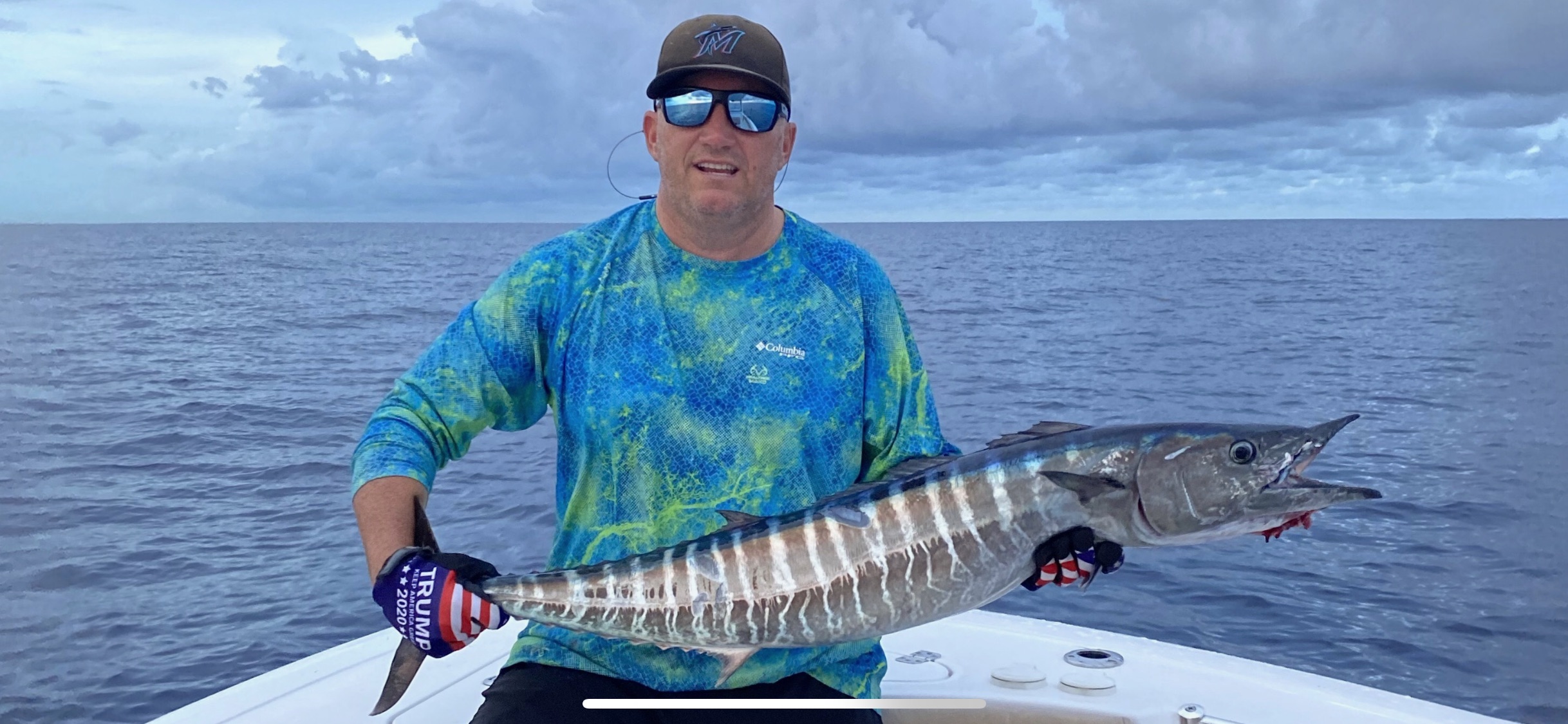
A mahi-mahi flashing blue and green in the cockpit, a box of keeper snapper, a big kingfish headed for the cooler - the question comes up quickly once the lines are in: are fish cleaned after a charter? Usually, the answer depends on the captain, the species, where the trip finishes, and the arrangements made before you leave the dock.
For anglers fishing out of Boynton Beach, getting your catch home in good shape is part of a successful day. Catching dinner is exciting. Turning that catch into clean, cold fillets without spoiling it in the Florida heat takes a little planning.
Are Fish Cleaned on Fishing Charters?
Many charter operations will clean legal keeper fish at the end of the trip, but “cleaned” can mean different things. It may mean the fish is bled, gutted, scaled, filleted, bagged, or simply placed on ice for you to take to a fish market. Never assume every service is included without asking.
On a private charter, your captain’s first job is to keep you safely on fish and follow current regulations. Once the day is over, fish cleaning depends on dock access, the day’s schedule, the number and size of fish, and whether there is a proper cleaning station available. A quick half-day trip with a few snapper is a different situation from a full offshore run that produces tuna, mahi-mahi, wahoo, or a cooler full of mixed reef fish.
The best move is simple: ask about fish cleaning when you book. Tell the captain you plan to keep fish for dinner, how many people you are feeding, and whether you would prefer fillets, whole fish, or fish prepared for a particular recipe. That gives the crew a chance to set clear expectations before lines ever hit the water.
What “Cleaned” Usually Means
Cleaning a fish properly is more than running a knife down each side. The goal is to protect eating quality from the moment the fish comes aboard. On a warm South Florida day, that process starts with careful handling and plenty of ice.
For many food fish, the sequence is to dispatch the fish humanely, bleed it when appropriate, get it onto ice quickly, then fillet or dress it after the trip. Bleeding can improve the flavor and appearance of species such as tuna, kingfish, and mahi-mahi when it is done correctly. Icing is just as important. Fish left warm on deck can lose quality fast, even if the fillets look fine later.
A cleaning service may include removing the head, guts, skin, ribs, and pin bones. It may also include rinsing and bagging fillets. But there are trade-offs. Fillets are convenient and ready for the pan, while whole fish keeps more options open if you want to grill, bake, smoke, or have a restaurant prepare the catch. Some anglers also prefer skin-on fillets because the skin helps protect delicate meat during transport and cooking.
If you are keeping snapper or grouper, ask whether the fillets will be left skin-on. If you land mahi-mahi, ask for portion-friendly fillets. With larger tuna or wahoo, you may want thick loins rather than thin individual portions. A good captain can help you make a practical call based on the fish in the box and what you plan to cook.
Not Every Fish Should Go in the Cooler
A productive trip does not mean keeping everything you catch. South Florida offers outstanding action with sailfish, tarpon, snook, jack crevalle, and many other species that are often released. Some fish are protected, some have strict seasons or size limits, and some are more valuable as a photo, a memory, and a clean release than as dinner.
Federal and state regulations can change, and they vary by species and location. Your captain should measure fish, identify the catch correctly, and make the call on what can legally be retained. That is especially useful with reef species that may look similar but have different rules.
There is also a quality decision beyond legality. A fish can be legal to keep but not the best choice for the table if it has not been handled well or if you already have plenty of fish at home. Keep what you will use, release the rest in good condition, and you will help preserve the fishing that brings people back to these waters year after year.
Plan for Your Catch Before the Trip
If you expect to bring fish home, show up prepared. You do not need to bring a full tackle bag on a charter - quality rods, reels, bait, and tackle should already be part of the trip - but your vehicle needs a plan for the ride home.
Bring a clean cooler if you are driving any distance, especially if you are staying in a hotel or vacation rental. Frozen water bottles or ice packs can help, but loose ice is usually better for keeping bagged fillets cold. Keep the cooler out of direct sun and avoid leaving it in a hot vehicle while you stop for groceries or lunch.
It also helps to bring a few gallons of drinking water, paper towels, and a plan for dinner. Fresh fish is at its best when it is cooked promptly. If you will not cook it within a day or two, portion and freeze it as soon as possible. Remove as much air as you can from freezer bags, label the species and date, and freeze the portions flat for easier storage.
Families often get the most value from smaller portions. A pair of mahi fillets, a bag of snapper, or a few grouper portions can make an easy meal without filling every inch of the freezer. If you are fishing with a larger group, decide beforehand how you will divide the catch. It saves awkward dockside math after a great day.
How to Keep Charter Fish Fresh at Home
Once the fillets are in your cooler, keep them cold and dry. If they are sitting in melted ice water, drain the cooler and add fresh ice. Fish meat can become soft and watery when it stays submerged too long.
At home, refrigerate fresh fillets in the coldest part of the refrigerator. A useful method is to place the sealed fillets on a plate or tray over ice, then loosely cover them. Check the ice as it melts. For the cleanest flavor, cook delicate fish such as snapper within a day or two. Firmer fish like wahoo, tuna, and mahi-mahi can also hold well when handled cold, but sooner is still better.
Keep preparation simple when the fish is fresh. Snapper and grouper are excellent grilled, baked, blackened, or lightly fried. Mahi-mahi holds up well in tacos and sandwiches. Wahoo makes outstanding grilled portions or seared medallions. Tuna is best treated differently than reef fish: keep it very cold, use clean tools, and avoid overcooking it.
If you are unsure what you caught or how to cook it, ask while you are still on the boat. A local captain sees these species every day and can point you toward the easiest way to enjoy the fish you worked for.
Fish Cleaning Questions to Ask Before Booking
A quick conversation before departure prevents surprises at the dock. Ask whether fish cleaning is offered, whether it is included or carries a separate charge, and what condition the fish will be returned in. Also ask whether you need to bring your own cooler and whether there are any dock restrictions that affect cleaning.
It is smart to ask about target species, too. An offshore trip may produce mahi-mahi, kingfish, tuna, wahoo, sailfish, and more. A reef-focused day may put snapper and grouper on the menu. Inshore light-tackle fishing can offer great action with snook, tarpon, and jacks, but not every fish from an inshore trip is intended for the dinner table.
At 4 J’s Fishing Charters, the day is built around the kind of fishing you want to do, from a family-friendly introduction to the water to a serious offshore run. Let Captain Jim know if bringing home fresh fish matters to your group. He can help plan the right trip, target the right opportunities, and make sure you know what to expect when the boat comes back to Harvey E. Oyer Park.
A well-handled catch turns a great Boynton Beach fishing story into a meal worth sharing. Ask the question before you book, bring a cooler, and leave room in the schedule to enjoy the best part of the day at the dinner table.


Comments