


Family Boat Fishing Guide for Boynton Beach
A child watching a dolphin surface beside the boat, then feeling a snapper tug the line for the first time, can turn an ordinary vacation day into the story your family keeps telling. This family boat fishing guide is built for families around Boynton Beach who want real fishing action without the stress of bringing a boat, finding bait, rigging tackle, or guessing where the fish are holding.
A private charter lets the day move at your family’s pace. Young anglers can learn the basics in calm water, experienced relatives can work a rod offshore, and everyone gets a front-row seat to the South Florida coastline. The right trip is not always the longest trip or the farthest run. It is the one that matches your group’s comfort level, attention span, and idea of a great day on the water.
Start With the Right Family Boat Fishing Trip
For many families, a half-day charter is the best first choice. It gives kids enough time to get comfortable with the boat, catch fish, and enjoy the ride without pushing through the hottest part of the afternoon or turning excitement into exhaustion. Half-day trips can produce plenty of action around reefs, wrecks, and nearshore waters, especially when conditions line up.
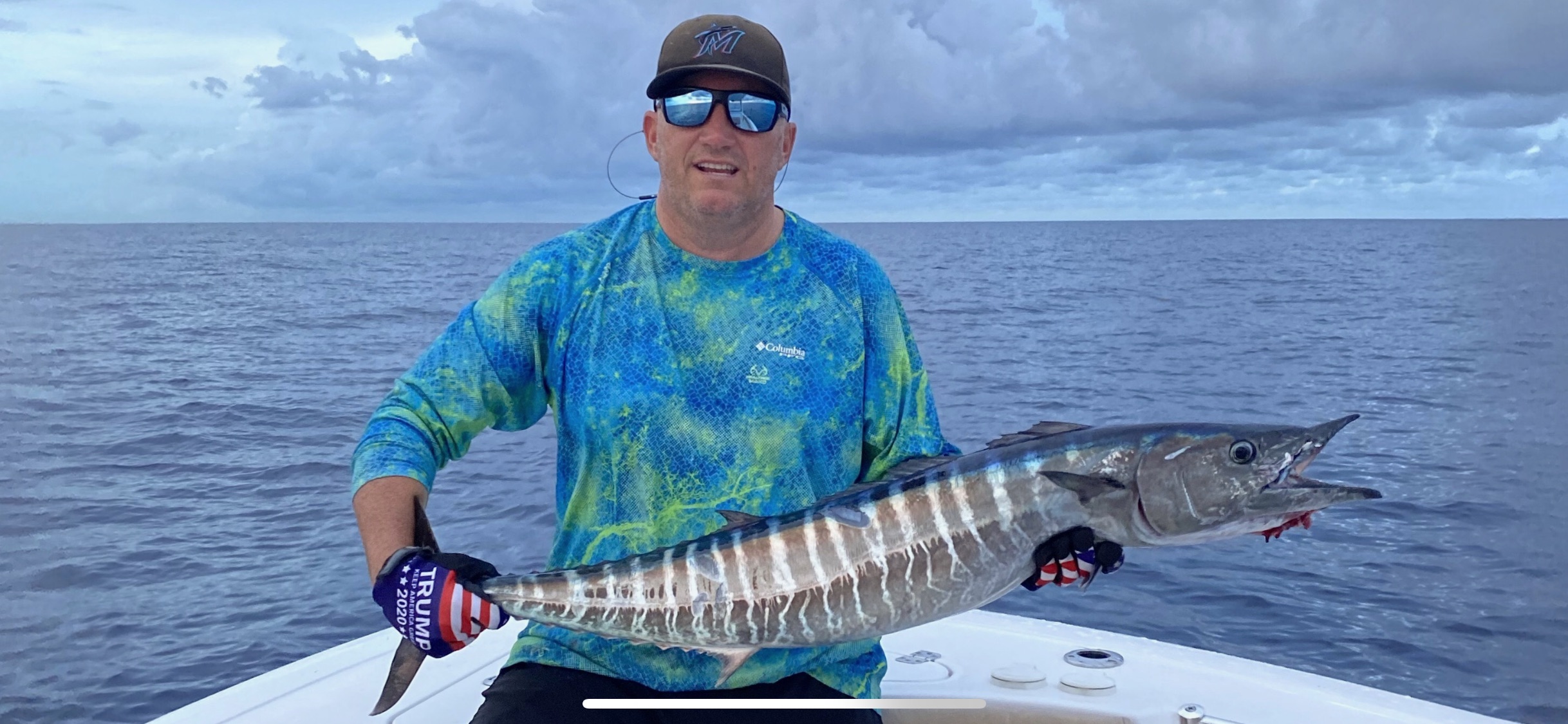
A three-quarter-day trip makes sense when your group includes older kids, serious anglers, or visitors who want more time to work a specific bite. It gives the captain more room to adjust if fish are scattered, current changes, or the first spot does not produce as quickly as expected. Full-day charters are a strong fit for dedicated fishing families chasing offshore opportunities like mahi-mahi, wahoo, tuna, or sailfish.
Boynton Beach has a major advantage for family charters: the Gulf Stream runs relatively close to shore. That can mean less travel time before lines go in the water compared with many other destinations. Still, offshore fishing depends on wind, waves, weather, and the comfort of your guests. A skilled local captain will help you choose between offshore, reef, and inshore options based on the day’s conditions rather than forcing a one-size-fits-all plan.
Choose Fishing That Keeps Everyone Involved
Kids do best when there is something happening often. That is why reef fishing is a favorite for many families. Snapper, grouper, kingfish, jacks, and other reef species can keep rods busy while giving first-timers a realistic shot at catching dinner. Dropping a bait to the bottom, feeling a bite, and cranking up a fish is easy to understand and rewarding at any age.
Offshore trolling brings a different kind of excitement. Watching a rod bend over for a mahi-mahi, sailfish, tuna, or wahoo is hard to beat. The trade-off is that trolling can include stretches of waiting between bites, and rougher seas are more likely farther from shore. For a family with younger children, mixing in reef fishing after an offshore pass can keep the day active.
Inshore light-tackle fishing is another smart choice when the ocean is bumpy or your group would rather fish protected water. Tarpon, snook, and jack crevalle can deliver powerful fights close to home. These trips are often a good match for kids who are nervous about big waves but still want the thrill of a fish pulling drag.
No captain can guarantee a particular species. Fish move with bait, current, water temperature, and weather. What a good charter can provide is the local knowledge to put your family in productive areas, adjust techniques, and give every angler the best available chance.
What Kids Need Before They Step Aboard
The easiest family fishing day starts the night before. Have everyone get a full night of sleep, eat a light breakfast, and arrive ready to listen during the safety briefing. Avoid loading up on greasy food before a boat ride, especially if anyone is prone to motion sickness.
If seasickness is a concern, talk with a pharmacist or physician ahead of time about age-appropriate options. Medication often works best when taken before the boat leaves the dock, but follow the product directions and medical advice. Bring water, simple snacks, sunscreen, sunglasses, hats, and an extra layer for the ride out. Even warm South Florida mornings can feel cool when the boat is running.
Kids should wear non-slip shoes that can get wet. Leave flip-flops at home when possible. A hat with a strap is helpful, and polarized sunglasses make it easier to spot fish, see the water, and protect young eyes from glare. Bring a small dry bag or zippered pouch for phones and personal items.
Parents should also set expectations before the trip. Fishing includes casting or dropping baits, waiting for bites, reeling hard when a fish strikes, and sometimes losing one right at the boat. That is part of the action. Let kids know they do not have to do every step alone. A captain or mate can help hold the rod, manage the reel, and coach them through the fight.
Safety Comes First, Then the Fishing Gets Better
The fastest way to spoil a family trip is to treat the boat like a playground. Before departure, make sure every child knows where life jackets are kept, where they can sit while the boat is running, and why they must keep hands away from hooks, knives, gaffs, and propellers.
On a center-console boat, balance matters. Guests should move carefully, use handholds, and wait for direction before switching sides during a fish fight. When the captain says to stay seated or hold on, that instruction is about keeping everyone safe in changing water conditions.
Children should also understand that some fish have sharp teeth, spines, or powerful tails. Let the crew handle fish until it is time for a safe photo. A quick picture is usually better for the fish and more comfortable for a child than a long photo session with a lively catch.
Weather decisions are part of professional charter fishing. If the forecast calls for unsafe conditions, a captain may recommend changing the departure time, fishing inshore, or rescheduling. That is not a lost day. It is the right call for your family and the boat.
How a Captain Helps First-Timers Catch Fish
The value of a guided family trip is not simply having a boat under your feet. It is having someone who knows the local water, reads current and sea conditions, rigs the right bait, and recognizes when it is time to change spots. That means less time troubleshooting and more time with lines in the water.
At 4 J’s Fishing Charters, Captain Jim Chiarenza uses more than four decades of freshwater and saltwater experience to build trips around the guests aboard. The 25-foot Sportsman center-console is equipped for serious South Florida fishing, while the approach stays welcoming for a child holding a rod for the first time. Quality tackle is included, so families can arrive ready to fish instead of buying equipment they may not know how to use again.
A good captain also translates fishing into simple instructions. Rather than overwhelming beginners with every detail, they can explain when to reel, when to let a fish run, and how to keep the rod tip up. Older kids and experienced anglers can take on more of the work, from bait presentation to fighting larger fish.
Make the Catch Part of the Memory
When a fish comes over the rail, let each person have a role. One child can watch the rod, another can help choose a photo angle, and someone can keep track of the species caught. Those small jobs keep everyone engaged, including family members who do not want to reel in every fish.
Ask your captain what is legal to keep and what is best released. Snapper, grouper, mahi-mahi, and other food fish can make for a memorable meal when regulations and conditions allow. A trophy fish may call for a careful release, a strong photo, or a future mount through a professional taxidermy service. The best choice depends on the fish, the season, and what matters most to your family.
Do not measure success only by the biggest catch. The first baitfish spotted in the water, a school of jacks crashing near the boat, a sea turtle passing by, or a child confidently making a second cast after missing the first bite all count. Fishing teaches patience, awareness, and the satisfaction of sticking with something long enough for the line to come tight.
Pick a trip that fits your family, listen to the captain, and keep the schedule flexible enough to enjoy the ride. The fish may be the reason you leave the dock, but the shared time on the water is what brings families back.


Comments